Spanish
  English
  Portuguese
  Arabic
  Indonesian
  Japanese
  Korean
  Turkish
  Russian
Abstracto
Certified cuero de PU poses minimal health risks when produced under strict environmental controls. The growing popularity of cuero de poliuretano in consumer goods has raised significant questions regarding their chemical safety and environmental impact. Among these, synthetic alternatives have emerged as a dominant choice, particularly in the fashion and technology accessory sectors. However, public perception is often clouded by misinformation regarding toxicity, volatile organic compound (VOC) emissions, and compliance with international regulatory standards. This article provides a comprehensive analysis of cuero de poliuretano, examining its chemical composition, manufacturing processes, and adherence to critical safety frameworks such as REACH, OEKO-TEX, and RoHS. By debunking common myths and detailing specific health risks associated with low-quality variants, this piece aims to equip consumers and industry professionals with the knowledge necessary to make informed, safe purchasing decisions. Through an examination of regulatory benchmarks and practical identification methods, we establish that certified cuero de poliuretano poses minimal health risks when produced under strict environmental controls.
Tabla de contenido
- What Is PU Leather and How Is It Made?
- The Chemical Composition of PU Leather
- Understanding REACH Regulations for Textiles and Leather
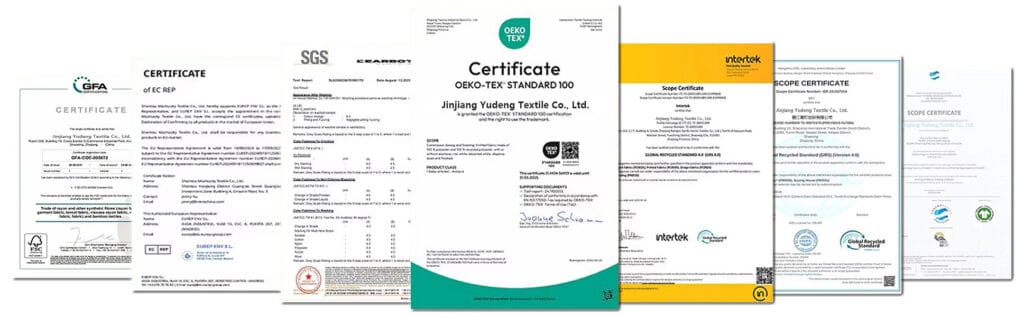
- What Does OEKO-TEX Certification Mean for Safety?
- RoHS Compliance and Electronic Accessories
- Common Myths vs. Facts About PU Leather Toxicity
- Health Risks: VOCs, Phthalates, and Formaldehyde
- How to Identify Safe and Non-Toxic PU Leather Products
- Conclusion: Is PU Leather Safe for Everyday Use?
What Is PU Leather and How Is It Made?
To understand the safety profile of synthetic materials, one must first distinguish between genuine animal hide and its artificial counterparts. Polyurethane leather, commonly referred to as PU leather, is a man-made material designed to mimic the aesthetic and tactile qualities of animal skin. Unlike genuine leather, which is derived directly from the tanning of animal hides, PU leather is constructed through a multi-layered manufacturing process. According to industry experts, tanners apply a coating of polyurethane resin to sheets of natural fabrics, typically nylon, cotton, or vinyl, to create a material that replicates the look and feel of animal leather (Carl Friedrik). This process involves layering the polyurethane over a fabric backing and subsequently stamping or embossing the surface to create a leather-like grain pattern (Von Baer Bags).
In some instances, the backing fabric may consist of split leather, which is the fibrous section of an animal’s hide remaining after the top-grain leather has been removed. When PU is applied to split leather, the resulting material is still classified as PU leather but is no longer considered vegan due to the inclusion of animal by-products (Carl Friedrik). This distinction is crucial for consumers who prioritize ethical sourcing alongside material safety. The manufacturing evolution of PU leather has shifted from simple plastic coatings to sophisticated multi-layer structures that enhance durability and breathability, addressing earlier criticisms of synthetic materials feeling rigid or overly plastic-like (Rahui London).
The Chemical Composition of PU Leather
The safety of any material is intrinsically linked to its chemical makeup. The fundamental structure of synthetic polyurethane leather consists of two distinct segments within a single molecule: a soft segment formed by diisocyanate and polymeric polyol, and a hard segment created by specific chemical cross-linkers (ResearchGate). This molecular architecture provides the material with its characteristic flexibility and resilience. Artificial leather is typically composed of two primary layers: a base material, such as polyester or cotton fabric, and a surface coating of polyurethane (Caiwing Leather).
Technological advancements have led to the categorization of PU leather into three main types based on the carrier used during production: solvent-based, solvent-free, and water-based. Solvent-based PU leather utilizes organic solvents as carriers for the polyurethane polymer, offering high resistance to abrasion, which makes it suitable for demanding applications like automotive interiors (Caiwing Leather). However, the use of organic solvents raises concerns regarding residual chemical emissions. In contrast, solvent-free PU leather eliminates harmful solvents from its formulation, significantly reducing the potential for volatile emissions (Caiwing Leather). Similarly, water-based PU leather employs water as the primary carrier, presenting a more environmentally friendly and safer alternative for consumer goods (Caiwing Leather).
Understanding REACH Regulations for Textiles and Leather
Regulatory frameworks play a pivotal role in ensuring the safety of materials entering the consumer market. The European Union’s REACH Regulation, officially named Regulation (EC) No 1907/2006, serves as the primary legislation designed to safeguard human health and the environment from potential chemical risks (Eurofins Softlines & Leather). Administered by the European Chemicals Agency (ECHA), REACH requires the registration, evaluation, authorization, and restriction of chemicals (Eurofins Softlines & Leather). For manufacturers of cuero de poliuretano, compliance with REACH is mandatory for selling products within the EU market, including countries within the European Economic Area and others such as Switzerland and Türkiye (Eurofins Softlines & Leather).
REACH specifically restricts the use of hazardous substances in textiles and leather goods. Key bans under this regulation include azo dyes, which can break down into carcinogenic amines; formaldehyde, often used in wrinkle-free finishes; chromium VI, a toxic byproduct of certain leather treatments; and specific phthalates used as plasticizers (LinkedIn). These restrictions ensure that the chemical components used in the production of synthetic leather do not pose significant health risks to consumers. The assessment of chemical safety under REACH is rigorous, requiring industry data submissions in the form of dossiers, which helps manage risks throughout the supply chain (Eurofins Softlines & Leather).
What Does OEKO-TEX Certification Mean for Safety?
Beyond governmental regulations, voluntary certification programs provide an additional layer of assurance for consumers. The OEKO-TEX Standard 100 is a globally recognized testing and accreditation program for consumer textiles, including leather alternatives. When a product bears the OEKO-TEX label, it indicates that the textile has been independently tested for harmful substances and meets strict international safety criteria (Smart Clothing Ltd). This certification covers all components of the product, from raw materials to finished items, ensuring that no harmful chemicals are present at any stage of production (Mulberry Park Silks).
The testing protocol for OEKO-TEX Standard 100 is tailored to the intended use of the product. For instance, silk used for bedding undergoes different testing parameters than silk used for decorative purposes, reflecting varying levels of skin contact and exposure duration (Mulberry Park Silks). Many of the criteria set by OEKO-TEX are significantly more stringent than government regulations, providing a higher benchmark for safety. The certification process involves submission of samples to accredited labs, where they are analyzed for a wide range of contaminants, including pesticides, heavy metals, and allergenic dyes (Mulberry Park Silks). This rigorous annual renewal process ensures that manufacturers maintain consistent safety standards, offering consumers peace of mind regarding the health implications of their purchases (Mulberry Park Silks).
RoHS Compliance and Electronic Accessories
While REACH and OEKO-TEX focus on chemical and textile safety, the Restriction of Hazardous Substances (RoHS) directive addresses the environmental and health impacts of electronic equipment. Although primarily associated with electronics, RoHS is increasingly relevant for PU leather products integrated into tech accessories, such as laptop sleeves, phone cases, and wearable device bands. RoHS compliance refers to the act of adhering to a European Union directive that limits the use of specific hazardous materials in electrical and electronic products (SafetyCulture). Introduced in the early 2000s, this regulation enhances environmental protection and human health by reducing toxic substances in electronic waste (SafetyCulture).
The RoHS directive restricts ten specific chemical hazards, including lead, mercury, cadmium, and certain flame retardants. Updates such as RoHS 2 and RoHS 3 have expanded the list of restricted substances and extended coverage to all electrical and electronic equipment, cables, and spare parts (BradyID). For manufacturers of PU leather accessories, achieving RoHS compliance is crucial for market access in the EU and other regions that have adopted similar standards. This compliance ensures that the synthetic materials used in these accessories do not leach heavy metals or other hazardous substances, thereby protecting both the consumer and the environment during the product’s lifecycle (BradyID).
Common Myths vs. Facts About PU Leather Toxicity
Misinformation surrounding synthetic materials often leads to unnecessary consumer anxiety. One prevalent myth is that all plastics, including cuero de poliuretano, are inherently toxic and unsafe for human contact. This misconception stems from the general association of synthetic polymers with industrial pollution and chemical hazards. However, scientific evidence suggests that properly manufactured PU leather is stable and safe for everyday use. Another common myth is that vegan leather is always cheap and inferior. While lower-quality options exist, technological advancements have produced high-performance synthetic leathers that rival genuine leather in durability and aesthetic appeal (Instagram).
To clarify these misconceptions, it is essential to distinguish between the material itself and the manufacturing processes used. The toxicity of a product is often determined by the additives and solvents used during production, rather than the base polymer. For example, solvent-based PU leather may pose higher risks if not properly cured, whereas solvent-free and water-based variants significantly reduce these hazards (Caiwing Leather). Furthermore, the environmental impact of PU leather is a subject of debate; while it offers ethical advantages over animal-derived leather, its longevity and recyclability remain challenges (Rahui London). However, in terms of direct health toxicity, certified PU leather products do not pose the same risks as unregulated synthetic materials.
Health Risks: VOCs, Phthalates, and Formaldehyde
Despite advancements in safety, certain health risks are associated with low-quality PU leather, primarily stemming from Volatile Organic Compounds (VOCs), phthalates, and formaldehyde. VOCs are chemicals that easily evaporate at room temperature and can contribute to indoor air pollution. Studies have identified several VOCs, including acetaldehyde, benzene, and formaldehyde, as priority hazards in indoor environments due to their potential chronic health effects (Indoor Air Science). Formaldehyde, in particular, is a known carcinogen and is sometimes used in the finishing processes of textiles and leather to provide wrinkle resistance (LinkedIn).
Phthalates are plasticizers used to increase the flexibility of synthetic materials. Certain phthalates have been linked to endocrine disruption and reproductive toxicity, leading to their restriction under REACH and other regulatory frameworks (LinkedIn). The presence of these substances in PU leather depends largely on the quality of the manufacturing process. High-quality, certified PU leather products minimize or eliminate these harmful emissions. For instance, choosing water-based or solvent-free PU leather reduces VOC emissions significantly, improving indoor air quality and reducing health risks for consumers (Taiti Leather). Consumers should be aware that poor-quality PU leather may contain residual solvents and harmful chemicals, which can be detected by strong odors upon unpacking (Taiti Leather).
How to Identify Safe and Non-Toxic PU Leather Products
Navigating the market for safe synthetic materials requires vigilance and knowledge. Consumers can take several actionable steps to ensure they are purchasing non-toxic PU leather products. First, look for explicit safety certifications such as OEKO-TEX Standard 100 or compliance with REACH regulations. These labels indicate that the product has undergone rigorous testing for harmful substances (Smart Clothing Ltd). Second, pay attention to the type of PU leather. Opt for water-based or solvent-free variants, as these are less likely to emit harmful VOCs compared to traditional solvent-based options (Taiti Leather).
| Característica | Solvent-Based PU | Solvent-Free/Water-Based PU | Safety Implication |
|---|---|---|---|
| Carrier Material | Organic Solvents | Water or None | Lower VOC emissions |
| Odor | Strong Chemical Smell | Mild or Odorless | Reduced respiratory irritation |
| Regulatory Compliance | Varies | Typically High (OEKO-TEX/REACH) | Assured safety standards |
| Best Use Case | Interiores de automóviles | Fashion, Home Textiles | Direct skin contact suitability |
Additionally, inspect the product for any strong, unpleasant odors upon purchase, as this may indicate the presence of residual chemicals (Taiti Leather). Engaging with manufacturers to ask about their production processes and material sourcing can also provide valuable insights. Choosing products made from environmentally friendly materials, such as food-grade silicone leather fabrics or advanced water-based PU, can further mitigate health risks (Taiti Leather).
Conclusion: Is PU Leather Safe for Everyday Use?
In summary, the question of whether cuero de poliuretano is toxic cannot be answered with a simple yes or no; it depends on the manufacturing quality and regulatory compliance. Generally, PU leather is considered safe for everyday use in products like furniture, clothing, and accessories, offering an affordable and ethical alternative to genuine leather with minimal health risks for most people (Taiti Leather). However, poor-quality variants may contain harmful substances such as DMF, phthalates, and formaldehyde, which can pose health risks if not properly regulated (Taiti Leather).
The key to safety lies in informed consumption. By prioritizing products certified by reputable organizations like OEKO-TEX and ensuring compliance with REACH and RoHS standards, consumers can significantly reduce their exposure to hazardous chemicals. While concerns about the environmental longevity and degradation of PU leather persist, with proper selection, the material offers a safe and versatile option for modern lifestyles. Ultimately, the shift towards solvent-free and water-based technologies represents a positive trend in the industry, aligning consumer safety with environmental responsibility.
Final Thoughts
The discourse surrounding synthetic materials like cuero de poliuretano highlights a broader tension between innovation and precaution in modern consumerism. While the material offers undeniable ethical and economic advantages, its safety is not inherent but engineered through rigorous chemical management and regulatory oversight. The transition from solvent-based to water-based production methods exemplifies how industry adaptation can mitigate health risks, turning a potentially hazardous material into a safe everyday commodity. As consumers, our power lies in demanding transparency and supporting certifications that validate safety claims. This proactive approach not only safeguards individual health but also drives the industry toward higher standards of sustainability and responsibility, ensuring that the future of synthetic materials is both safe and equitable.