English
  Spanish
  Portuguese
  Arabic
  Indonesian
  Japanese
  Korean
  Turkish
  Russian
Abstract
The most efficient way is directly ask for advice and cases in the past from old, experienced pu leather manufacturer. This comprehensive analysis elucidates the essential considerations and practical strategies for customizing polyurethane (PU) leather to meet specific project requirements. By systematically exploring options such as pattern selection, color matching, thickness determination, and backing customization, the article offers actionable insights to optimize product performance and aesthetic appeal. Emphasizing the importance of expert guidance, the discussion underscores the value of collaborating with experienced manufacturers, exemplified by Yudeng Textile, to ensure quality, efficiency, and precision throughout the customization process. Ultimately, a structured approach to ordering, quality assurance, and lead time management is presented to facilitate successful customization and sustained project success.
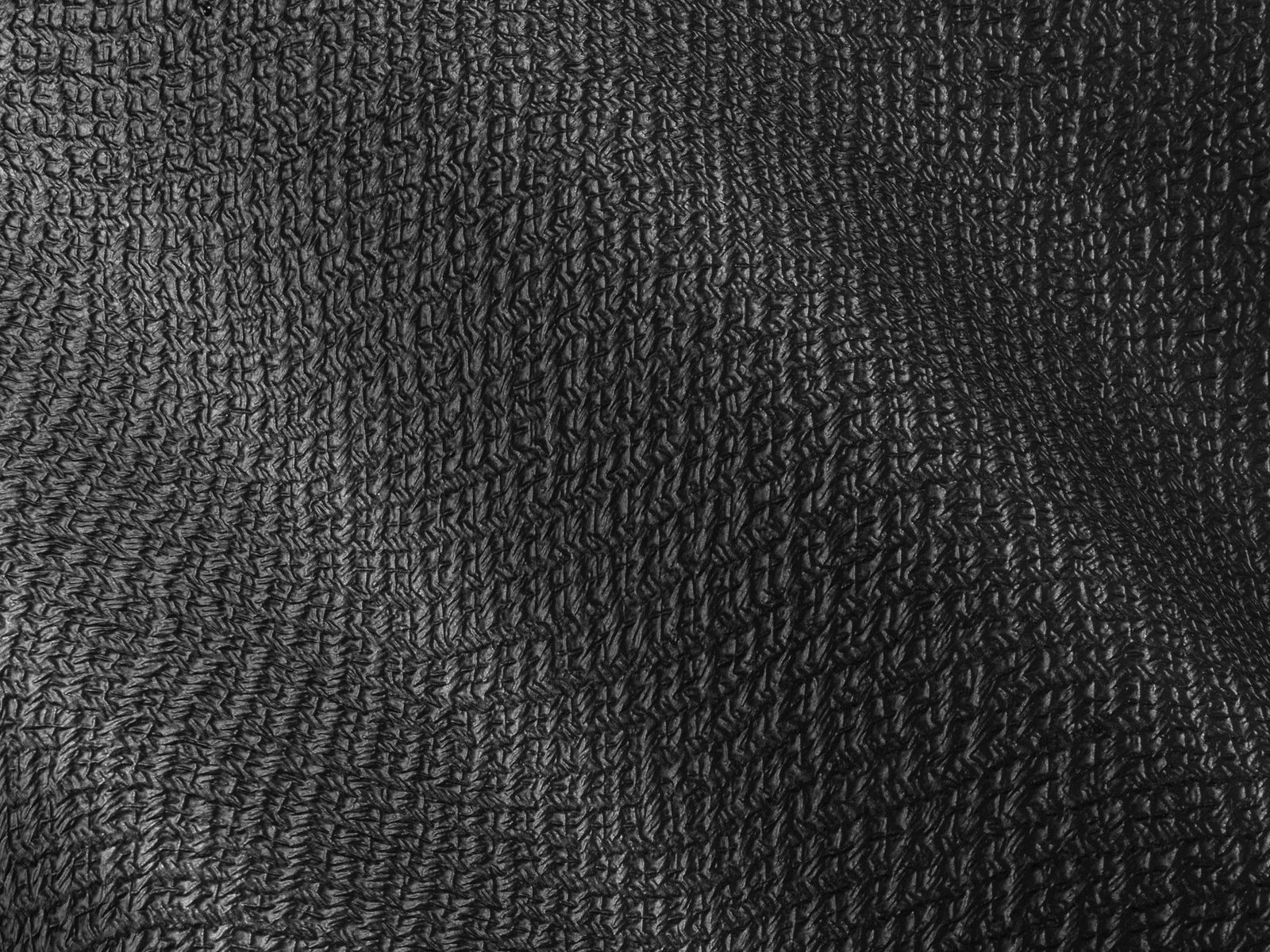
Table of Contents
- Introduction to Customizing PU Leather
- Understanding Your Customization Options
- Selecting the Right Pattern for Your Project
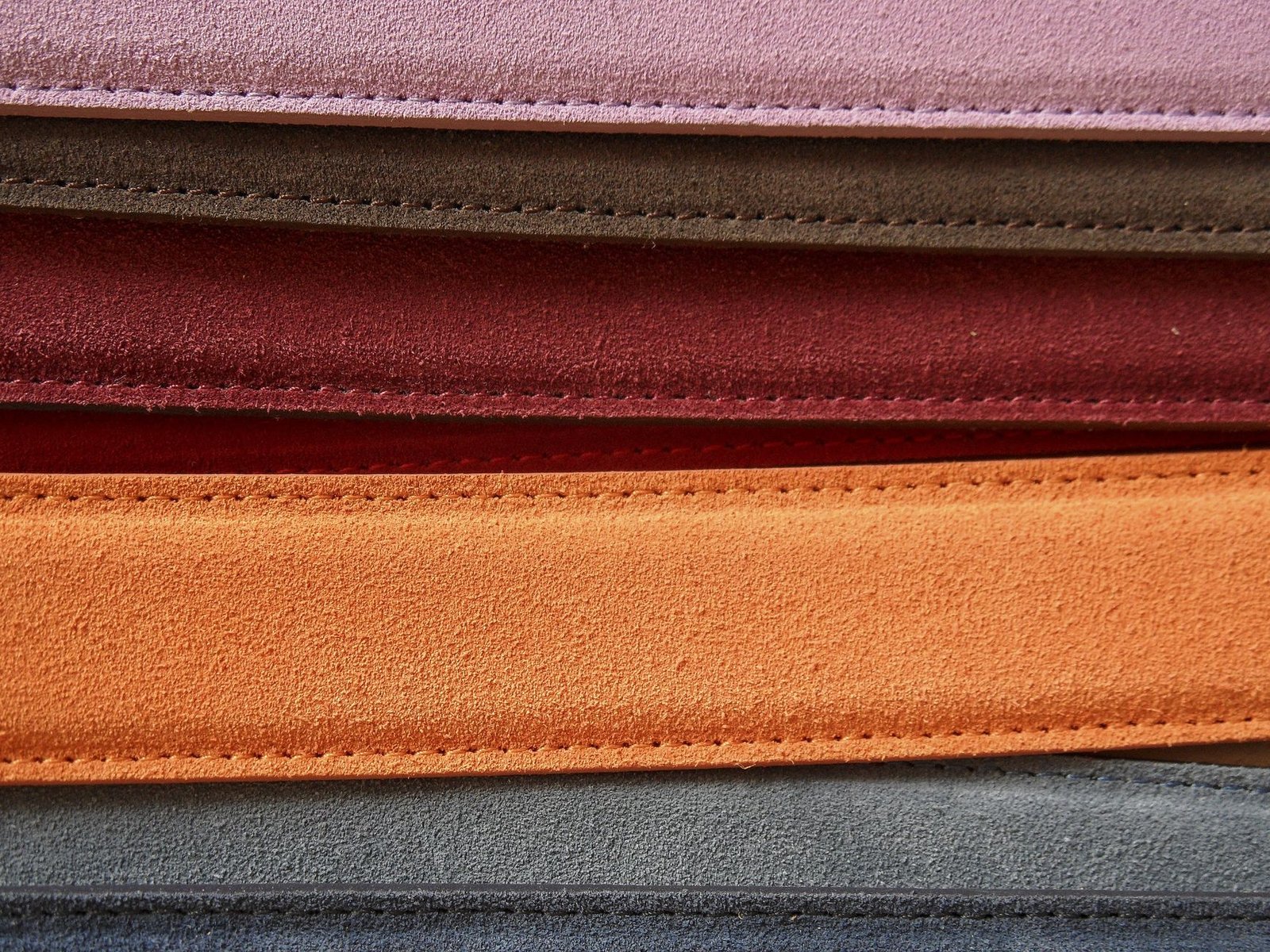
- Choosing the Perfect Color for Your PU Leather
- Determining the Optimal Thickness for Your Application
- Backing Options and Their Functional Benefits
- Most efficient way: Get advice from experienced manufacturer
- Ordering Process and Tips for Customization
- Quality Assurance and Lead Time Expectations
Introduction to Customizing PU Leather
Customizing PU leather offers significant advantages by enabling manufacturers and designers to tailor materials precisely according to the functional and aesthetic requirements of specific projects. Unlike standard, off-the-shelf options, customized PU leather allows selection of patterns, colors, thicknesses, and backing materials, which can enhance durability, visual appeal, and suitability for diverse applications such as fashion accessories, automotive interiors, or upholstery. The manufacturing process of PU leather, which involves coating recycled leather or other base materials with polyurethane, provides a flexible foundation for customization. As outlined by FJYudeng, understanding the production workflow—from raw material selection to finishing—helps ensure that custom products meet quality expectations (https://fjyudeng.com/pu-leather-explained-from-production-to-custom-applications). Such customizations foster innovation, improve brand identity, and satisfy specific consumer needs, making them a valuable tool in modern material design.
Understanding Your Customization Options
When customizing PU leather, several key aspects can be tailored to achieve desired performance and aesthetic outcomes. These include pattern design, color, thickness, and backing materials. Pattern customization may involve embossed logos, textured finishes, or bespoke designs, while color selection spans a broad spectrum, encompassing solid hues, metallic finishes, or patterned prints. Thickness variations influence flexibility and durability, ranging from thin layers suitable for delicate applications to thicker options required for rugged use. Backing options, such as sew-on, adhesive-backed, magnetic, or Velcro™, contribute functional benefits like ease of installation or enhanced stability. Recognizing the interaction between these customization parameters is essential for aligning material properties with application needs, whether for protective covers, fashion items, or industrial uses.
Selecting the Right Pattern for Your Project
Choosing an appropriate pattern for PU leather depends heavily on the nature of the end product and desired aesthetic effect. For instance, embossed textures or embossed logos are popular in branding applications, while textured finishes mimic natural leather for fashion accessories. When selecting a pattern, consider the following factors:
– Application environment: high-wear areas benefit from textured or patterned surfaces that conceal scratches.
– Design consistency: standardized patterns may be better for mass production, whereas unique designs suit limited editions.
– Manufacturing feasibility: complex patterns may increase costs and lead times, requiring careful planning.
Consulting resources such as sewing pattern guides or design trend analyses can aid in matching pattern choices to project goals (The Daily Sew, 2025). Moreover, leveraging visual prototypes or mock-ups facilitates evaluation before full-scale production, reducing costly errors.
Choosing the Perfect Color for Your PU Leather
Color selection plays a critical role in aligning PU leather with branding and design intentions. Practical tips include considering the color harmony within the overall design scheme, which can be achieved through schemes like monochromatic, analogous, complementary, or triadic color palettes (Medium, 2025). When selecting hues, assess factors such as:
– Brand identity: logos and key visual elements should be reflected in the chosen colors.
– Application context: vibrant colors may be suitable for fashion statements, whereas subdued tones are preferable for industrial uses.
– Material performance: darker shades tend to be more resistant to staining and wear, which is advantageous for high-traffic applications.
Furthermore, understanding chroma and saturation helps in fine-tuning the visual impact. Coordinating color samples with physical PU leather swatches ensures accurate matching and reduces the risk of miscommunication during ordering.
Determining the Optimal Thickness for Your Application
PU leather thickness influences flexibility, durability, and appearance, impacting its suitability for various applications. Thinner layers, generally below 1 mm, are ideal for lightweight accessories, apparel linings, or delicate upholstery, offering ease of bending and minimal bulk. Conversely, thicker options, exceeding 1.5 mm, provide enhanced durability and rigidity, suitable for items like bags, wallets, and automotive trims. When choosing thickness, consider:
– Functional demands: high-stress applications require thicker, more resistant material.
– Flexibility needs: flexible products benefit from thinner layers to facilitate movement.
– Manufacturing compatibility: thinner materials may pose challenges in handling and sewing, necessitating precise processing techniques.
Tables 1 and 2 provide a comparative overview of thickness ranges and their typical use cases:
| Thickness Range | Applicable Applications | Advantages | Limitations |
|---|---|---|---|
| 0.3 – 0.8 mm | Fashion accessories, linings | Lightweight, flexible, easy to manipulate | Less durable for heavy use |
| 1.0 – 2.0 mm | Bags, wallets, upholstery | Good balance of durability and flexibility | May require reinforcement in stressed areas |
Backing Options and Their Functional Benefits
Backing materials significantly influence the performance and application versatility of PU leather products. Common backing options include:
– Sew-on backing: ideal for products requiring robust attachment and durability.
– Stick-on (adhesive) backing: suitable for products where easy application is desired.
– Magnetic backing: enables quick and tool-free installation, often used in accessories.
– Velcro™ backing: provides reusability and adjustability, common in fashion items.
Choosing the right backing depends on the intended use, installation method, and desired longevity. For instance, sew-on backs provide strength and stability, ideal for upholstery or items subjected to stress, while Velcro™ or magnetic backs are preferable for ease of use in fashion or portable accessories (MadeByCooper, 2025). Proper backing selection enhances user convenience and extends product service life.
Most Efficient Way: Get Advice from Experienced Manufacturers
Consulting an experienced manufacturer such as Yudeng Textile is the most efficient way if you are new to the product you are doing or you are lack of detailed data about the product you are doing. Experienced manufacturers have much practical data in hand, data of pu leather base on their customer in the past, data about pu leather for specific final product in different country. These data not only include patterns, colors, thickness, backings, but also include technical data like eco levels, degree of abrasion resistance, color fastness etc. They are exactly what you need.
For example. Furniture is the final product you are doing with pu leather. Manufacturer like Yudeng could provide several types of pu leather from their past orders and the specs of pu leather in the past for your reference. You’ll suddenly realize that the pu leather material for you just become a choice instead of providing technical data. Even if you want the specs to be specific enough, they can provide you the spec list. You can even simply find the specs of the specific pu leather material via their website. (e.g. Product Beige Cheese White Rexine PU leather for Sofa Furniture: Tensile load: Radial ≥ 250N, Weft direction ≥ 500N Elongation at break: Radial ≥ 15%, Weft direction ≥ 20% Tear load: Radial ≥ 20N, Weft direction ≥ 20N Peel load/N ≥ 20N Fastness: Dry rubbing ≥ 4 grades, Wet rubbing ≥ 3 grades Sweat fastness ≥ 3-4 grades Saliva resistance ≥ 4 grades, Color migration ≥ 4 etc.)
On the other hand, expertise of old manufacturer ensures compatibility of patterns, colors, thicknesses, and backing with application needs, while also optimizing costs and lead times. Early consultation helps identify potential production challenges and alternative solutions, ensuring that specifications are feasible and meet quality expectations (FJYudeng, 2025). End-to-end guidance from industry veterans minimizes errors, accelerates delivery, and guarantees satisfaction in custom projects.
Ordering Process and Tips for Customization
Effective ordering of PU leather customization involves:
– Defining detailed specifications: pattern, color, thickness, backing type. (You can get catalog of these specifications from manufacturer and make selection from the catalog.)
– Providing prototypes, samples, or digital illustrations for validation.
– Confirming manufacturing lead times and order minimums.
– Using clear documentation, such as detailed drawings or sample swatches.
– Maintaining open communication to facilitate adjustments before mass production.
Following these steps helps prevent misunderstandings, reduces rework, and ensures timely delivery. Yudeng Textile is known for supporting clients through comprehensive guidance during the ordering process, making the journey smooth and predictable.
Quality Assurance and Lead Time Expectations
High standards in PU leather production require strict quality controls, including inspection of raw materials, in-process checks, and final testing. Implementing rigorous QA protocols ensures uniformity, performance, and safety, especially for critical applications like electronic device covers or children’s products (TorrentLab, 2025). Typical lead times are:
– 5–10 business days for sample approval.
– 15–25 days for mass production, depending on order size and complexity.
Proactive communication, detailed specifications, and thorough QC processes facilitate on-time delivery and consistent product quality.
Summary and Final Reflections
Customizing polyurethane leather offers unparalleled flexibility to meet diverse functional and aesthetic needs. Understanding available options—patterns, colors, thickness, backing—along with partnering with knowledgeable manufacturers like Yudeng Textile, ensures manufacturing excellence, cost-efficiency, and timely delivery. Their extensive sample data, catalogues and professional advice are helpful for PU leather purchasers to make quick decisions. Precise specifications, comprehensive communication, and rigorous quality assurance are key to successful projects. Embracing customization enables brands and designers to produce distinctive, durable, and high-performance PU leather products that stand out in competitive markets. Strategic planning and expert collaboration are the pillars of turning innovative designs into successful realities.
Sources
- FJYudeng: https://fjyudeng.com/pu-leather-explained-from-production-to-custom-applications
- Monterey Company: https://www.youtube.com/watch?v=X9HnEF-vIAc
- ILCO.US: https://www.ilco.us/products/personalized-and-custom-keys
- The Daily Sew: https://www.youtube.com/watch?v=0egkSLjGzhE
- Medium: https://medium.com/design-bootcamp/7-practical-tips-for-choosing-colors-for-your-next-design-project-ac70b968e3e5
- Quora: https://www.quora.com/How-do-I-choose-the-right-color-scheme-for-my-design-project
- AZoM: https://azom.com/article.aspx?ArticleID=14593
- Apollotile: https://apollotile.com/blogs/our-blogs/tile-thickness-in-mm-standard-sizes-and-strength-for-walls-and-floors
- MadeByCooper: https://madebycooper.com/blog/how-to-choose-the-right-backing-for-your-custom-patches
- MadeByCooper: https://qualitywovenlabels.com/blog/post/choosing-the-perfect-backing-a-guide-to-custom-patch-options
- FJYudeng: https://fjyudeng.com/pu-leather-explained-from-production-to-custom-applications
- Pipsupply: https://pipsupply.com/products/faux-leather-sheets-pick-your-pattern
- MyDreamTones: https://mydreamtones.com/product/custom-print-textured-vinyl-pu-faux-leather-by-the-yard
- TorrentLab: https://torrentlab.com/a-detailed-guide-regarding-quality-control-samples