Arabic
 English
 Spanish
 Portuguese
 Indonesian
 Japanese
 Korean
 Turkish
 Russian

خلاصة
This article details five critical factors for selecting جلد صناعي PU for package heat pressing. Buyers must verify heat resistance between 280°F and 335°F to prevent material melting. The text explains thermal dynamics, showing how polyurethane reacts under pressure. It compares PVB and TPU adhesives for durability. Surface texture analysis links grain finish to aesthetic value and manufacturing cost. The guide lists five verified suppliers for industrial grade materials in 2024. These include Guangdong Hengsheng Leather, Zhejiang Jinyi Synthetic Leather, and Fukuoka Polyurethane Industries. Each supplier offers specific strengths in volume production, customization, or precision. The content provides actionable data for procurement managers. It helps you avoid common errors in material selection. You will learn the non-negotiable standards for quality. This resource supports data-driven decisions for package cover projects.
جدول المحتويات
- Quality Manager of Yudeng Textile: The Features That Package PU Leather Must Have
- Understanding the Thermal Dynamics of PU Leather During Heat Pressing
- Comparison of PVB vs. TPU Adhesives for Package Cover Durability
- Why Surface Texture and Grain Finish Impact Package Aesthetics and Cost
- Top 5 Verified Suppliers for Industrial Grade Package PU Leather (2024)
- Case Study: Guangdong Hengsheng Leather, China, Est. 2005
- Case Study: Zhejiang Jinyi Synthetic Leather, China, Est. 1998
- Case Study: Fukuoka Polyurethane Industries, Japan, Est. 1985
Quality Manager of Yudeng Textile: The Features That Package PU Leather Must Have
Expert advice from Yudeng Textile defines the core requirements for جلد صناعي PU in heat-pressing contexts. The material structure must support high thermal stress without deforming. A quality manager identifies three non-negotiable features. These features ensure the package cover remains intact and attractive after pressing.
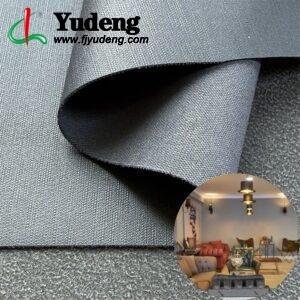
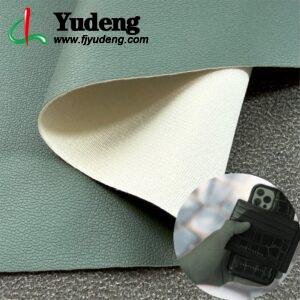
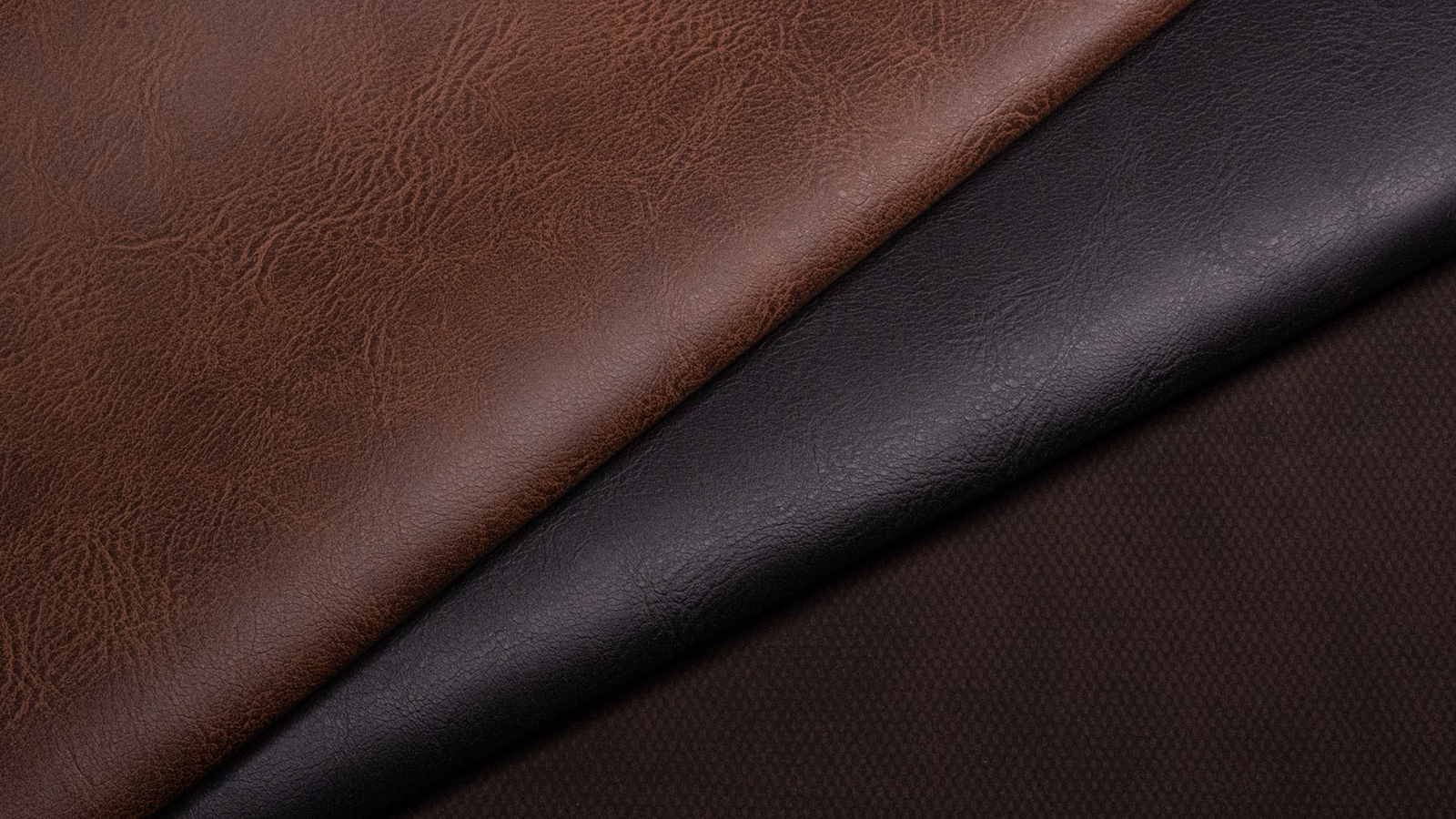
First, multi-layer integrity is essential. The production process casts a thin polymer layer for smoothness. It then reinforces the cotton-polymer bonding. This step improves wear resistance and rebound. A second, thicker foam-like layer adds support while keeping the feel soft. According to (Yudeng Textile), this specific layering prevents cracking under pressure. Second, thickness flexibility matters. You can adjust thickness from 0.3mm to 1.6mm. This range balances comfort and durability for different packaging needs. Third, sustainable manufacturing is a growing priority. Companies are optimizing energy use and recycling waste. They also develop low-carbon formulas. As noted in (Yudeng Textile), balancing environmental friendliness with high performance is key for modern buyers.
Understanding the Thermal Dynamics of PU Leather During Heat Pressing
PU leather reacts differently to heat than genuine leather. Understanding these thermal dynamics is vital for package longevity. Generic PU often fails because it cannot handle high temperatures. The material can melt, wrinkle, or lose texture if the grade is wrong. Data from the industry shows specific safe ranges. For standard PU, the temperature should stay between 265°F and 280°F. The press time should be 10 to 12 seconds. Pressure must remain medium. As reported in (Raccoon Transfers), these parameters protect the surface. However, some industrial applications require higher heat. Quality faux leather for HTV application performs reliably between 280°F and 335°F. Community discussions confirm that settings around 335°F with 15 seconds produce consistent adhesion. This occurs without damaging the base material. The smooth surface of quality PU allows heat transfer vinyl to bond evenly. If you use heavily embossed variants, the adhesion becomes uneven. Therefore, you must select the correct thermal grade for your specific pressing tool.
Comparison of PVB vs. TPU Adhesives for Package Cover Durability
Selecting the right adhesive layer affects the final durability of the package. Two common materials are Polyvinyl Butyral (PVB) and Thermoplastic Polyurethane (TPU). They offer distinct advantages for different package types. PVB is a standard material for general use. It allows for alcohol smoothing, which creates a slick surface. However, PVB is less moisture-sensitive but has limitations in structural strength. TPU offers superior layer adhesion. It is extremely impact resistant and highly durable. TPU excels in applications requiring structural integrity after breakage. It maintains load-bearing capability even when cracked. According to (INNOLAMIN), TPU provides exceptional durability against UV and moisture. It also shows minimal yellowing over time. For flexible or foldable packages, TPU is ideal. It maintains flexibility in extremely cold environments. Some TPU films even have self-healing properties for minor scratches. On the other hand, PVB remains the cost-effective choice for standard architectural or automotive uses where extreme flexibility is not required. Buyers should match the adhesive to their longevity needs.
| ميزة | PVB Adhesive | TPU Adhesive |
|---|---|---|
| Strength & Rigidity | Standard stiffness | 50x stiffer, 5x stronger |
| Flexibility | Good | Superior for foldable items |
| Optical Clarity | Good | Transmittance above 92% |
| Best Application | General packaging | Luxury/high-impact packages |
Why Surface Texture and Grain Finish Impact Package Aesthetics and Cost
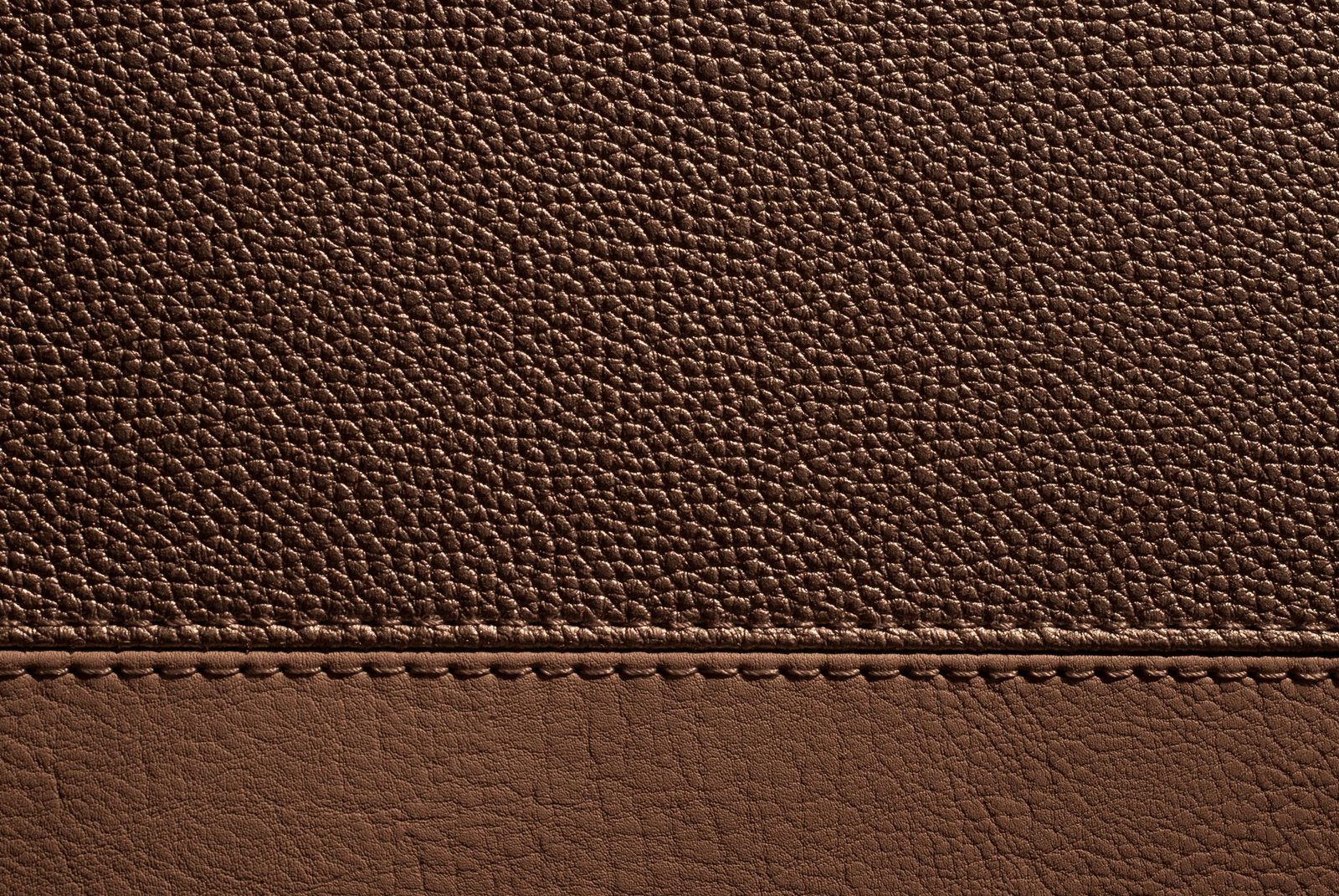
Surface finish is a governing design parameter. It impacts aesthetics, function, and cost simultaneously. Buyers often make the mistake of over-specifying the finish. For example, requesting a mirror polish when a semi-gloss finish is sufficient. This increases tooling costs and lead times without adding functional value. Industry standards define finish grades. SPI standards range from mirror-polish (A-1) to coarse texture (D-3). VDI 3400 and Mold-Tech patterns complement these standards. As explained in (Evok Poly), incorrect specifications are a leading cause of tooling rework. Manual polishing for high-gloss finishes drives labor costs higher than automated texturing. You must define cosmetic surfaces carefully. Class A surfaces are highly visible and need strict control. Class C surfaces are hidden and need minimal work. Polishing hidden surfaces wastes money. To control costs, specify only the finishes needed for visible parts. This approach protects your profit margins while ensuring the package looks professional. For جلد صناعي PU, a light texture often accepts heat transfer more evenly than heavy embossing.
Top 5 Verified Suppliers for Industrial Grade Package PU Leather (2024)
Selecting the right supplier is critical for consistent quality. The 2024 market features several verified manufacturers known for industrial grade materials. These suppliers offer specific technologies that address durability and environmental concerns. The table below summarizes key providers and their strengths.
| Supplier | Key Technology | Primary Strength |
|---|---|---|
| Guangdong Hengsheng Leather | OEM/ODM Manufacturing | Cost-effective high volume |
| Zhejiang Jinyi Synthetic Leather | Custom Grain Finishes | الامتثال البيئي |
| Fukuoka Polyurethane Industries | Advanced Polyurethane Foam | Premium Precision & Durability |
| CF Stinson | Water-based Microporous PU | 300,000+ Martindale Cycles |
| Naugahyde | PU Microporous Modification | Industrial Durability |
According to (Mobang Leather), companies like CF Stinson and Naugahyde anchor genuine domestic production with certified performance. They offer 10+ year hydrolysis stability. These options suit buyers needing long-term reliability in commercial interiors. For international sourcing, Chinese and Japanese manufacturers lead in innovation. The following case studies detail three top choices for specific needs.
Case Study: Guangdong Hengsheng Leather, China, Est. 2005
Guangdong Hengsheng Leather (HSL) specializes in high-volume production for mass-market packaging. Established in 2005, the company operates in Guangzhou and Pinghu, Zhejiang. Their Guangzhou base focuses on bags and wallets, with manufacturing experience since 2016. The Pinghu factory handles gloves, backed by more than 20 years of expertise. HSL supports brands through private-label OEM and ODM services. They handle product development, material selection, and quality control. Their Pinghu facility undergoes amfori BSCI social compliance monitoring. They source leather from LWG Gold-rated tanneries. As noted in (لينكد إن), their goal is reliable communication and consistent craftsmanship. This supplier is ideal for buyers needing cost-effective materials at scale. They provide a stable supply chain for large order volumes. However, buyers should verify factory addresses and pattern-maker ownership before committing. The company offers sketch-to-sample support, which helps brands lacking full tech packs.
Case Study: Zhejiang Jinyi Synthetic Leather, China, Est. 1998
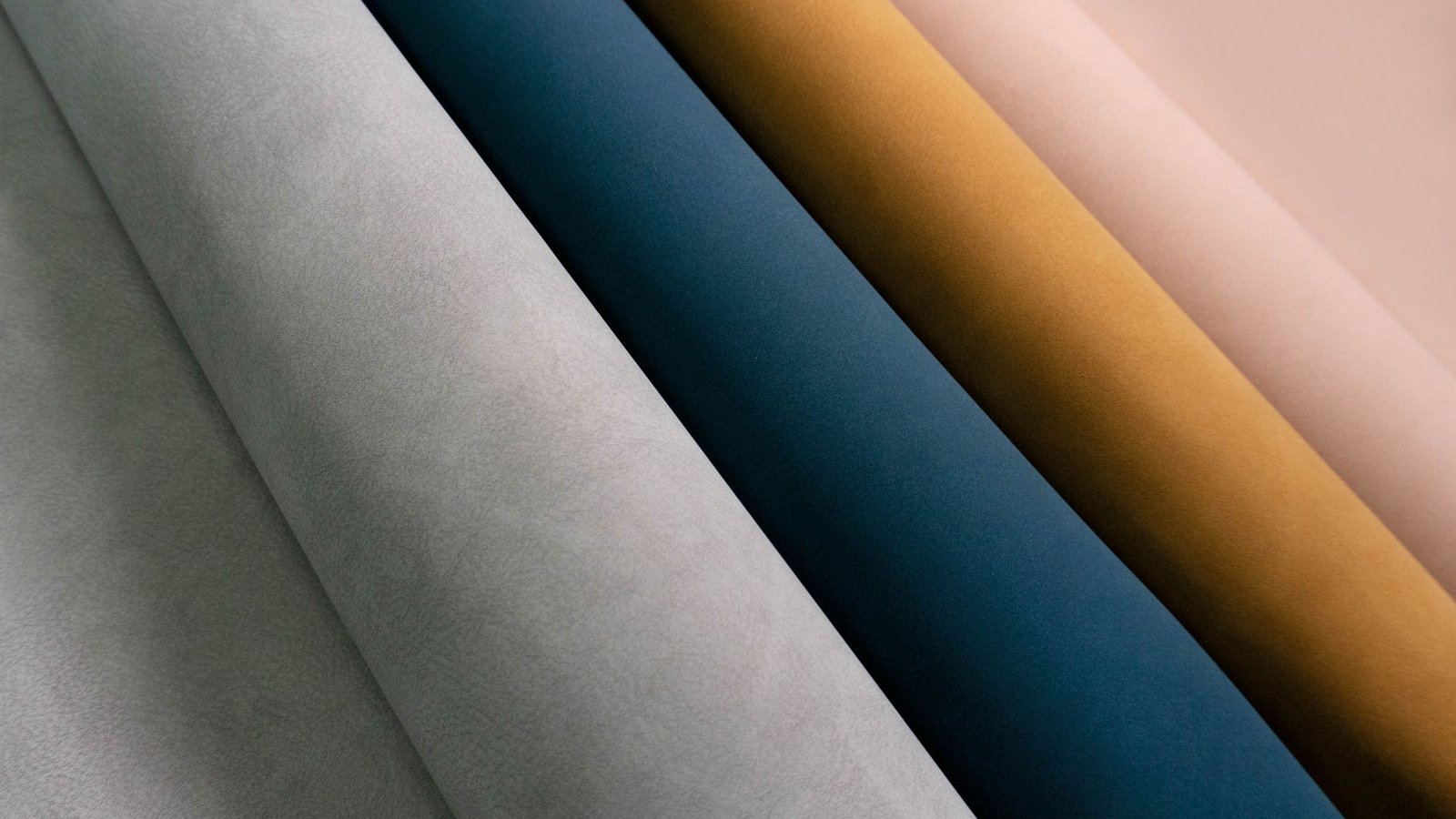
Zhejiang Jinyi Synthetic Leather represents the mid-range customization option. Founded in 1998, it is part of the major Zhejiang industrial belt. China’s PU synthetic leather industry started in the 1980s and formed clusters in Dongguan, Zhejiang, and Fujian. Recent environmental regulations have driven technical upgrades. Suppliers in this region now focus on water-based PU technologies. Zhejiang Jinyi offers customizable grain finishes. They meet international environmental standards. This makes them suitable for brands exporting to Europe or North America. The region also hosts leaders like Meisheng Co., Ltd. Meisheng provides high-functional PU leather for sports shoes and luggage. Their products offer ten functional treatments, including antibacterial and flame retardant properties. According to (Yudeng Textile), these manufacturers provide practical procurement advice. They help buyers move from demand assessment to customized ordering. Jinyi’s strength lies in balancing custom aesthetics with eco-friendly compliance. This is critical for modern جلد صناعي PU buyers.
Case Study: Fukuoka Polyurethane Industries, Japan, Est. 1985
Fukuoka Polyurethane Industries is the premium choice for luxury package covers. Established in 1985, the company leverages Japanese precision engineering. It is part of the INOAC group, which launched Japan’s first polyurethane foam production in 1954. This long history drives their innovation. They focus on environmentally conscious development and high-performance applications. The company provides ultra-high precision materials. These are ideal for luxury brands requiring maximum durability and optical clarity. Their technology ensures the material withstands extreme conditions. This includes resistance to UV, moisture, and temperature extremes. As described in (INOAC CSR Report), the company challenges itself to generate new usage applications. They maintain a strong focus on sustainability. For buyers, this supplier offers the highest tier of quality. It is suitable for high-end electronics or premium gift packaging. The investment in this material ensures the package remains flawless throughout its lifecycle. It is the correct choice when cost is secondary to performance and prestige.
Conclusion
اختيار الخيار الصحيح جلد صناعي PU for heat pressing requires a balance of thermal knowledge and supplier verification. You must match the material’s heat resistance to your pressing temperature. PVB and TPU adhesives offer different durability profiles for distinct needs. Surface texture impacts both cost and aesthetic appeal. Over-specifying finishes wastes budget. The top suppliers in 2024, such as Hengsheng, Jinyi, and Fukuoka, cater to specific market segments. Mass-market buyers should look to Hengsheng for volume. Eco-conscious buyers should choose Jinyi for compliance. Luxury brands should select Fukuoka for precision. Data-driven selection prevents material failure and ensures package longevity. Always verify supplier certifications and thermal specifications before mass production. This approach guarantees a professional final product and protects your brand reputation.
Sources
- Yudeng Textile Best Custom: https://fjyudeng.com/best-custom-pu-leather-factory-manufacturer
- Yudeng Textile Guide: https://fjyudeng.com/guide-to-pu-leather-surface-textures-substrates-and-features
- Raccoon Transfers: https://raccoontransfers.com/blogs/guides/heat-pressing-leather
- Yudeng Faux Leather: https://fjyudeng.com/faux-leather-for-heat-pressing-the-4-experienced-suppliers-you-should-never-miss
- Filament Cheat Sheet: https://filamentcheatsheet.com/compare/pvb-vs-tpu
- INNOLAMIN: https://www.glass-pei.com/article-5594343418891257.html
- Evok Poly: https://evokpoly.com/feeds/blog/injection-molding-surface-finish
- Texas Injection Molding: https://texasinjectionmolding.com/blog/injection-molding-surface-finish
- Mobang Leather: https://puleatherfactory.com/eco-friendly-pu-suppliers-north-america
- FuZhou Leather: https://fzsleather.com/top-5-pu-leather-manufacturers-in-theworld
- Lantaobags: https://www.lantaobags.com/custom-leather-goods-manufacturers-in-china
- LinkedIn HSL: https://www.linkedin.com/company/hsl-hengsheng-leather
- Yudeng Top 5 PU: https://fjyudeng.com/top-5-pu-synthetic-leather-manufacturers-in-china
- WLH TEX: https://www.wlhtex.com/en/market-overview-of-chinas-artificial-synthetic-leather-industry-in-2023
- INOAC CSR Report: https://www.inoac.co.jp/en/assets/csr2025en.pdf
- NIILIM: http://www.nilim.go.jp/lab/bcg/siryou/tnn/tnn0437pdf/ks0437.pdf