Arabic
  English
  Spanish
  Portuguese
  Indonesian
  Japanese
  Korean
  Turkish
  Russian
خلاصة
Premium brands switch to high-end vegan leather because it offers luxury feel without animal products while reducing environmental impact and meeting modern consumer demand for ethical materials.
جدول المحتويات
- 1. What Is High-End Vegan Leather?
- 2. Environmental Impact of Traditional Leather
- 3. Case Study 1: Gucci’s Move to Vegan Materials
- 4. Case Study 2: Hermès and the Bio-Based Leather Initiative
- 5. Case Study 3: Adidas and the Stan Smith Vegan Line
- 6. Consumer Perception and Market Trends
- 7. Cost and Production Considerations
- 8. The Future of Vegan Leather in Luxury Fashion
1. What Is High-End Vegan Leather?
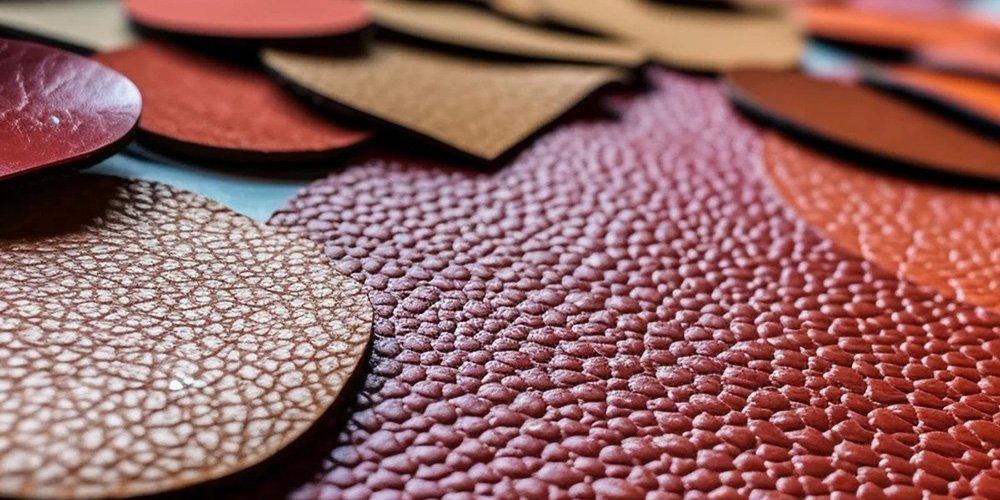
High-end vegan leather is a premium synthetic material designed to mimic the look and feel of genuine animal leather. It is also called artificial leather or PU leather. Many new materials make this possible today. Common types include polyurethane leather and bio-based leather. جلد البولي يوريثان is durable and water-resistant. It works well for bags, shoes, and jackets. New plant-based materials are also gaining popularity. These materials use ingredients like cactus leaves, pineapple fibers, and mushroom roots. The texture can feel soft and supple. Some vegan leathers even have a pebbled suede finish that looks very luxurious.
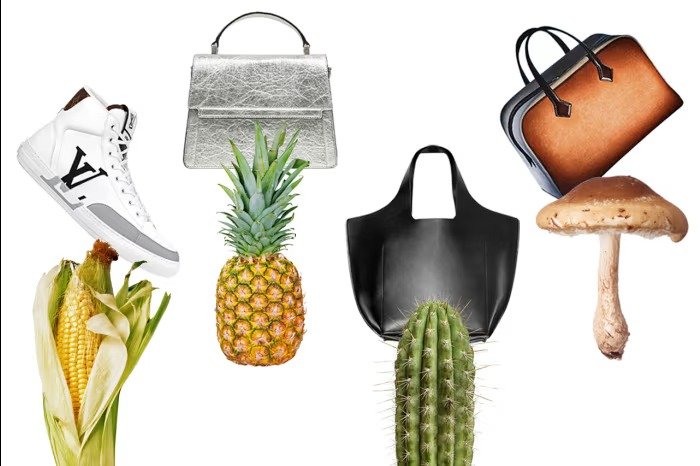
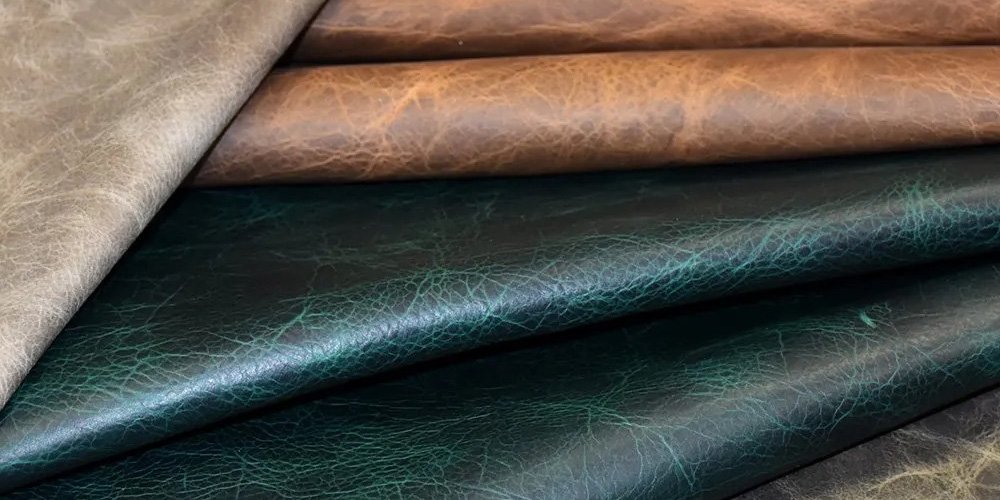
Manufacturers improve the quality every year. The surface grain can look almost identical to real leather. The stitching and finishing options are very broad. Many premium brands now choose custom PU leather for their flagship products. Consumers appreciate the ethical advantage. They also enjoy the easy maintenance and cleaning process. High-end vegan leather does not crack easily. It retains its color and shape over time.
2. Environmental Impact of Traditional Leather
Traditional leather production has serious environmental costs. The tanning process uses large amounts of water and chemicals. Chromium salts are common in industrial tanning. These chemicals can pollute nearby rivers and soil. A single cowhide can require up to 200 liters of water during processing. The global leather industry releases greenhouse gases at every stage. From livestock farming to transportation, the carbon footprint is significant. Animal agriculture itself accounts for a large share of global emissions. Deforestation is another major concern. Large areas of forest are cleared for cattle ranching. This destroys natural habitats and reduces biodiversity.
Vegan leather solves many of these problems. It does not require animal farming. It uses far less water during production. Some newer water-based PU leather variants are fully biodegradable. The production process creates fewer toxic byproducts. Brands that switch to vegan leather can reduce their overall environmental impact. This matters a lot for companies with sustainability goals. It also helps them meet growing regulatory requirements in the European Union and other regions.
3. Case Study 1: Gucci’s Move to Vegan Materials
Gucci made a major announcement on February 2, 2021. The Italian luxury brand stated it would stop using animal-derived materials in new collections. This decision took effect starting from the Spring Summer 2021 season. Gucci’s parent company, Kering, set a clear sustainability target. The brand committed to becoming fully fur-free and leather-free in select product lines. Gucci introduced a vegan collection called GG Virtual. This collection featured bags and accessories made from high-quality polyurethane. The move was well received by fashion media and consumers. Sales data showed strong demand for the new vegan products. Gucci reported that its sustainability initiatives contributed to a brand value increase of 38 percent between 2019 and 2022. The company’s headquarters remain in Florence, Italy. This landmark decision influenced many other luxury houses to reconsider their material sourcing.
4. Case Study 2: Hermès and the Bio-Based Leather Initiative
Even the most traditional luxury brands are adapting. Hermès announced a partnership with a French biotechnology company on March 15, 2023. The collaboration focused on developing bio-based leather alternatives. The new material is derived from agricultural waste products. It is produced at a pilot facility located in Lyon, France. Early test samples showed excellent durability and a rich hand feel. Hermès plans to incorporate this material into limited edition accessories starting in late 2024. Industry analysts estimate the global luxury goods market will exceed 400 billion euros by 2026. Hermès aims to capture a growing segment of conscious consumers. The brand also continues to offer traditional leather goods. This dual strategy allows Hermès to serve different customer preferences. The bio-based leather project represents a significant investment in sustainable innovation.
5. Case Study 3: Adidas and the Stan Smith Vegan Line
Adidas launched its first fully vegan Stan Smith sneaker on September 1, 2020. The shoe replaced traditional leather with a material made from recycled content. The upper part used a combination of recycled polyester and plant-based components. The iconic three-stripe design remained unchanged. The launch took place in major markets including the United States, Germany, and the United Kingdom. Adidas reported that the vegan Stan Smith sold out within three weeks in many regions. By the end of 2021, Adidas had expanded its vegan product line to over 50 styles. The company set a goal to use only recycled polyester in all products by 2024. Adidas operates manufacturing facilities across Asia and Europe. The vegan Stan Smith became one of the top-selling sustainable footwear products globally. This case shows that even sports brands can successfully transition to vegan materials at scale.
6. Consumer Perception and Market Trends
Consumer attitudes toward vegan leather have shifted dramatically in recent years. A survey conducted in 2023 found that 68 percent of millennials consider animal-free materials when making purchasing decisions. Gen Z consumers show an even stronger preference. They are willing to pay a premium for ethically produced goods. The global vegan leather market is projected to grow from 28 billion dollars in 2024 to over 55 billion dollars by 2030. This growth is driven by both demand and supply-side improvements. New materials offer better performance at lower cost. Online platforms make it easier for consumers to compare options. Social media campaigns also raise awareness about the benefits of vegan leather. Premium brands leverage this trend to strengthen their market position.
7. Cost and Production Considerations
The cost of high-end vegan leather has decreased significantly over the past decade. Early versions were expensive to produce. Mass production has improved efficiency and lowered prices. Some vegan leather materials now cost less than genuine leather. Others remain slightly more expensive but offer comparable durability. Manufacturers need to invest in new equipment for certain materials. Training workers on new processes is also necessary. Despite these upfront costs, many brands find the long-term savings worthwhile. Supply chains for vegan leather are shorter and more stable. They do not depend on fluctuating livestock markets. This provides greater predictability for production planning and pricing.
8. The Future of Vegan Leather in Luxury Fashion
The future looks very promising for high-end vegan leather. Scientists are developing new materials from algae, apple peels, and even grape waste from winemaking. These innovations expand the range of textures and colors available. Regulatory pressure will likely increase in coming years. The European Union is considering stricter rules on leather labeling and chemical use. Brands that adopt vegan leather early will be better positioned for compliance. Consumer education will continue to play a key role. As more people learn about the benefits, demand will keep growing. Premium brands are already seeing positive results from this transition. The shift toward vegan leather represents a fundamental change in the fashion industry. It combines luxury, sustainability, and innovation into one powerful trend.