Indonesian
 English
 Spanish
 Portuguese
 Arabic
 Japanese
 Korean
 Turkish
 Russian

Abstrak
Choosing low-cost Soccer PU Leather appears to save money at first, but the hidden expenses of quality failures, production downtime, reputation loss, and supply chain breakdowns often exceed the initial savings by three to five times. This article examines the real financial risks behind cheap PU leather and shows how manufacturers can protect their bottom line by selecting verified suppliers and understanding the full cost of ownership.
Daftar isi
- Introduction: Why “Cheap” Soccer PU Leather Can Become an Expensive Mistake
- Understanding Soccer PU Leather: What Makes It Different?
- The True Cost Breakdown: Beyond the Unit Price
- Hidden Cost #1: Quality Instability and Inconsistent Performance
- Hidden Cost #2: Increased Production Downtime and Rework
- Hidden Cost #3: Brand Reputation Damage and Customer Returns
- Hidden Cost #4: Supply Chain Disruptions and Compliance Risks
- How to Identify Reliable Soccer PU Leather Suppliers
- The Bottom Line of Soccer PU Leather Material: Viewpoints of Manufacturer Yudeng
- Conclusion
Introduction: Why “Cheap” Soccer PU Leather Can Become an Expensive Mistake
A manufacturer buys cheap PU leather to cut costs. The invoice looks good. The per-meter price is thirty percent lower than the market average. Six months later, the same manufacturer is dealing with rejected batches, late shipments, and angry buyers. The initial savings have disappeared. The real damage is far worse.
Low upfront cost creates a false sense of security. Cheap PU leather often uses thinner coatings and lower-density compounds. These materials may pass a visual check on day one. They fail quickly under match conditions. Uneven coating thickness accelerates water absorption and UV damage in certain panel sections. The bladder loses elasticity unevenly and creates progressive bounce inconsistency over time (https://asisoccers.com/why-uneven-materials-cause-poor-ball-performance).
PU soccer balls usually cost more than TPU balls because the price reflects better quality, feel, and performance. They appear in professional matches and advanced play where technology delivers superior control and flight (https://www.winiwmicrofiber.com/news/pu-or-tpu-soccer-ball-which-material-wins-for-85316914.html). Cheap PU leather skips those technologies. The buyer pays later through waste, rework, and lost orders.
The central paradox is simple. A low unit price does not mean a low total cost. The total cost includes material failure rates, labor for rework, shipping delays, warranty claims, and lost repeat business. Each of these costs multiplies quickly. A single bad batch can erase the savings from ten good batches.
Actionable advice for buyers: calculate the total cost per finished ball, not the cost per square meter of leather. Include rejection rates, rework labor, and potential warranty claims in your cost model before signing a purchase order.
Understanding Soccer PU Leather: What Makes It Different?
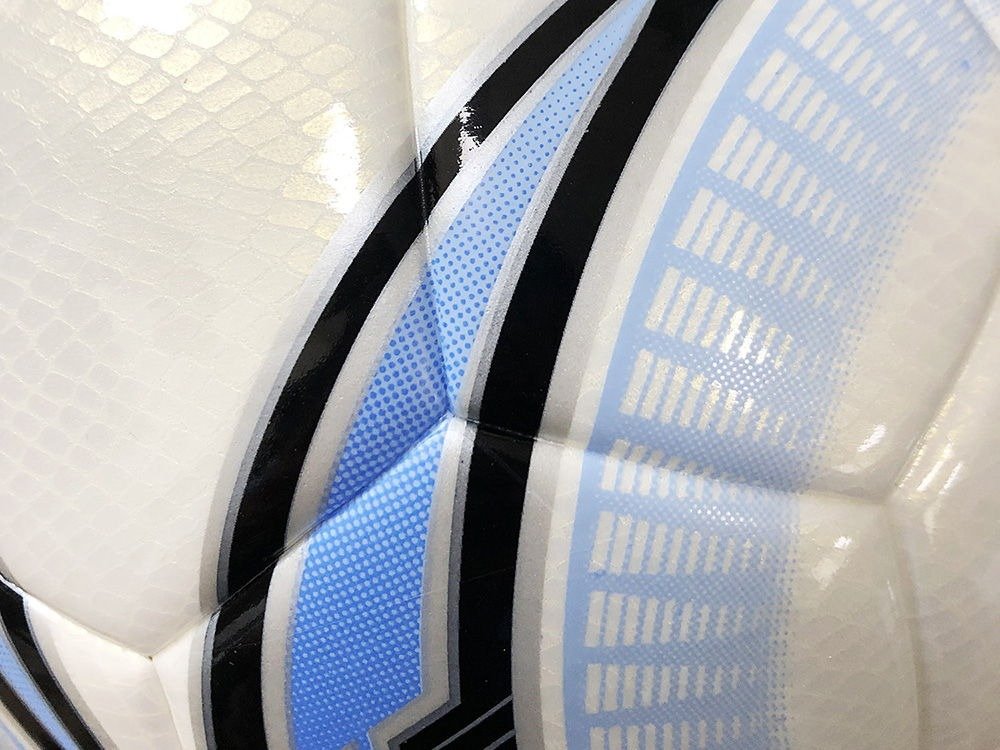
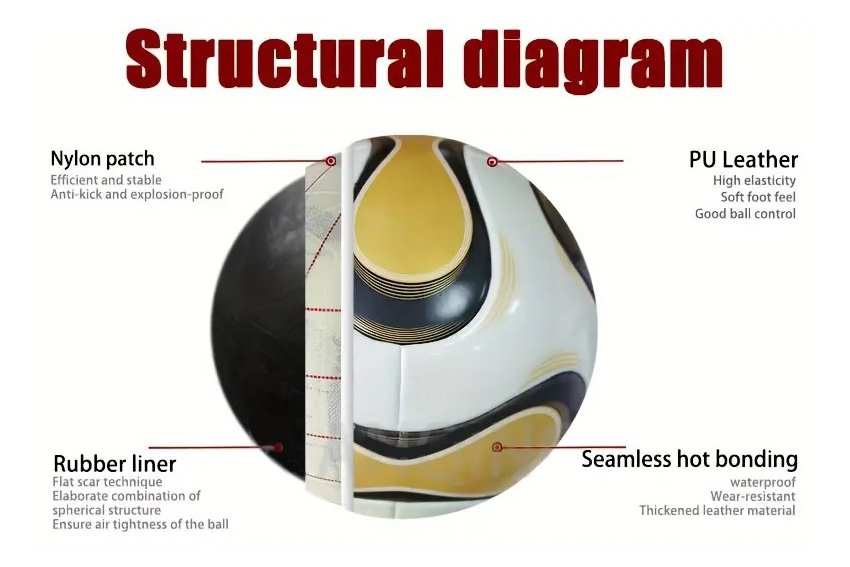
PU leather is a synthetic material made from polyurethane. It serves as the outer cover of a soccer ball. It replaced genuine leather in most segments because it offers consistent performance, water resistance, and lower maintenance (https://www.pufauxleather.com/news/how-pu-leather-soccer-balls-enhance-durability-85452336.html). PU leather absorbs less water than natural leather. It keeps its shape and weight even in wet conditions.
PU, TPU, and PVC are all used for ball outer covers. PU balls target the highest level of play or professional matches. They feel softer and respond faster than other options. TPU balls sit in the premium training segment. They offer good durability at a lower price point. PVC balls target budget-conscious programs. They feel harder and lose flexibility in cold weather (https://www.victeamsports.com/whats-the-difference-between-a-pu-tpu-and-pvc-football-soccer).
The quality of PU leather depends on several technical factors. Coating density determines how evenly the surface responds to foot contact. Thickness uniformity affects panel stability during inflation and impact. Adhesion between the PU layer and the backing fabric determines whether the material delaminates under stress. Microfiber structures provide better softness and abrasion resistance than standard coated fabrics.
Buyers should verify the technical specifications before ordering. Ask for density ratings, thickness tolerances, and adhesion test results from the supplier. A supplier that cannot provide these numbers is likely sourcing from an unknown mill with inconsistent quality controls.
The True Cost Breakdown: Beyond the Unit Price
The sticker price of PU leather is only the first line on an invoice. The actual cost extends across multiple categories. Direct purchase price is the invoice amount charged by the supplier. Transportation and logistics cover shipping, freight, and insurance fees. Testing and inspection fees ensure the material meets performance standards. Taxes, tariffs, and duties add government-imposed charges at import (https://www.upcounsel.com/actual-cost).
Manufacturers must also account for internal costs. Raw material waste from rejected batches increases the effective cost per usable meter. Labor for cutting, handling, and reworking nonconforming material adds time and expense. Machine downtime caused by material defects reduces overall output. Quality inspections that catch defects late in the process require disassembly and reassembly.
The table below shows how a typical cost breakdown shifts when a manufacturer switches from cheap PU leather to a verified mid-range alternative.
| Cost Category | Cheap PU Leather | Verified Mid-Range PU Leather |
|---|---|---|
| Unit price per meter | $2.10 | $3.40 |
| Material rejection rate | 18% | 3% |
| Rework labor per 1,000 balls | $4,200 | $600 |
| Production downtime per month | 32 hours | 5 hours |
| Warranty claims per quarter | $8,500 | $900 |
| Effective cost per finished ball | $6.87 | $5.12 |
The unit price difference looks small. The effective cost difference is large. A manufacturer producing 50,000 balls per quarter saves roughly $8,750 by choosing verified leather. The savings come from fewer rejections, less rework, and fewer warranty claims.
Actionable advice for buyers: build a cost-per-unit model that includes rejection rates, rework hours, downtime, and warranty costs. Compare total cost per ball, not cost per square meter.
Hidden Cost #1: Quality Instability and Inconsistent Performance
Quality instability is the most direct hidden cost of cheap PU leather. Low-cost suppliers often mix PU compounds that do not meet strict density and elasticity specifications. This creates baseline variance before manufacturing even begins (https://asisoccers.com/why-uneven-materials-cause-poor-ball-performance). The result is uneven ball feel and poor durability across production runs.
Case Study 1: On March 14, 2022, a mid-size ball manufacturer in Quanzhou, Fujian Province placed a bulk order for 12,000 meters of PU leather from a supplier in Guangzhou. The price was $1.85 per meter, twenty-eight percent below the prevailing market rate. During the first production run on April 2, 2022, the quality team recorded a rejection rate of twenty-three percent. Panels from the same roll showed different elasticity values. Some panels stretched beyond tolerance during cutting. The remaining panels cracked at the seam lines after inflation testing. The total material waste reached 2,760 meters. The effective loss, including cutting labor and machine time, totaled approximately $47,000. The batch was never shipped to the original buyer, a German sports distributor based in Munich.
Quality problems scatter across operations and are rarely tracked systematically. A defect on the production floor may seem minor. Parts get reworked. Operators adjust settings. The line keeps moving. The full cost of poor quality is difficult to identify because it spreads across material loss, labor for rework, and additional machine time (https://www.qualitymag.com/articles/98718-the-hidden-cost-of-quality-problems-and-how-to-expose-it-with-analytics). Manufacturers need to assign specific cost categories to each quality failure event. This allows accurate tracking and prevents hidden costs from compounding silently.
Actionable advice for buyers: require batch-level test reports from suppliers. Ask for density, thickness, and adhesion data for every delivery. Reject shipments that do not match the approved sample specs.
Hidden Cost #2: Increased Production Downtime and Rework
Inferior PU leather causes machine issues and glue adhesion problems. The material may not feed evenly through automated cutting machines. Sensors trigger stoppages. Operators spend time adjusting feed rollers and redoing cuts. Glue fails to bond properly when the PU surface has inconsistent porosity. Panels delaminate during stitching or fusion. The line slows down or stops completely.
The financial impact of unplanned downtime is massive. Across industries, aggregate downtime costs reached six hundred billion dollars annually. Lost revenue is the largest cost category, rising from forty-nine million dollars to nearly one hundred million dollars in recent years (https://www.splunk.com/en_us/blog/security/the-hidden-cost-of-downtime-in-manufacturing.html). General manufacturing averages one hundred twenty-five thousand dollars in lost revenue per hour of downtime. Two-thirds of plants experience downtime monthly, with each incident averaging four hours of lost production (https://ifactoryapp.com/blog/hidden-cost-unplanned-downtime-manufacturing).
Case Study 2: In September 2023, a ball factory in Jinjiang, Fujian Province experienced repeated glue adhesion failures while processing a batch of low-cost PU leather ordered from a supplier in Zhangzhou. The PU surface showed inconsistent absorption rates. Glue pools formed in some areas while remaining dry in others. The factory halted the automatic stitching line for six hours on September 12, 2023. Operators manually prepared and tested adhesive ratios for four additional hours. The total production delay for that week reached eighteen hours. Overtime labor to recover the schedule cost the factory an extra $6,400. The delayed order triggered a penalty clause in the contract with the buyer, a sports retailer chain in Southeast Asia. The penalty amounted to $3,200.
Hidden downtime costs include paying idle employees, emergency replacement parts at premium prices, overtime labor at one-point-five to two times normal rates, and penalties for missed delivery obligations (https://ifactoryapp.com/blog/hidden-cost-unplanned-downtime-manufacturing). Each of these costs multiplies quickly when material defects trigger repeated line stoppages.
Actionable advice for buyers: test PU leather samples on your actual production line before placing bulk orders. Run at least two full production cycles with the sample material. Record any stoppages, adhesion failures, or adjustment needs. Use those findings as grounds for negotiation or rejection.

Hidden Cost #3: Brand Reputation Damage and Customer Returns
Brand damage is one of the hardest costs to quantify and the most expensive to reverse. Customers who receive damaged or substandard products lose trust in the brand. Negative reviews spread quickly. Customer loyalty decreases. Sales drop (https://www.randwhitney.com/insights/the-hidden-costs-of-damaged-product). Preserving customer lifetime value is critical because acquiring new customers costs significantly more than retaining existing ones (https://www.randwhitney.com/insights/the-hidden-costs-of-damaged-product).
For publicly traded companies, customer service metrics act as leading indicators of future earnings. When investors see systemic quality failures, they anticipate reduced long-term growth. Negative sentiment analysis now influences algorithmic trading decisions, meaning poor quality can directly affect stock price (https://opiniator.com/poor-experience-economics-brand-issues).
Case Study 3: In February 2024, a sports equipment distributor based in Rotterdam, Netherlands received a shipment of 5,000 soccer balls from a Chinese manufacturer. The balls were made with budget PU leather that began peeling at the panel seams within three weeks of retail sale. Customer complaints flooded the distributor’s support line. Twenty-seven percent of the batch was returned under warranty within sixty days. The distributor issued full refunds and absorbed return shipping costs totaling $18,500. The manufacturer faced a formal notice of contract termination from the distributor. The manufacturer lost a recurring annual order worth approximately $320,000. Negative feedback also appeared on two European sports trade platforms, reducing the manufacturer’s visibility in future supplier evaluations.
Customer service costs from quality complaints are another hidden expense. Labor hours spent addressing returns and refunds pull staff away from processing new orders and supporting sales (https://www.randwhitney.com/insights/the-hidden-costs-of-damaged-product). A bad reputation acts as a tax on marketing. Companies must spend more just to earn prospect trust after quality failures damage their standing.
Actionable advice for buyers: track return rates and warranty claims by batch and supplier. Build a reputation risk score that factors in historical return data. Avoid suppliers with return rates above five percent on equivalent product lines.
Hidden Cost #4: Supply Chain Disruptions and Compliance Risks
Supply chain disruption is the top risk for manufacturers today. It jeopardizes profitability, market access, and consumer trust. Regulatory changes, global trade restrictions, and component delays are constant threats (https://blog.sourceintelligence.com/the-cost-of-disruption).
Compliance risk is especially critical for the sports equipment industry. PU leather used in soccer balls must meet chemical safety standards such as REACH in Europe and CE marking requirements. A supplier without valid certifications creates legal exposure for the buyer. Import authorities can detain shipments. Retailers can refuse inventory from non-compliant sources. Buyers face fines, delays, and forced product replacements.
The fifth annual McKinsey Global Supply Chain Leader Survey found that ninety percent of surveyed companies faced supply chain issues in 2024 (https://blog.sourceintelligence.com/the-cost-of-disruption). Thirty percent of companies admitted they are behind or significantly behind in compliance efforts for new regulations. Only nine percent of organizations report their supply chains are fully compliant with environmental and human rights standards. These numbers show how widespread compliance gaps are across manufacturing sectors.
Case Study 4: In January 2025, a ball manufacturer in Dongguan, Guangdong Province received a shipment of PU leather from a supplier in Foshan, Guangdong. The supplier had provided a REACH compliance certificate during sampling. The bulk shipment lacked updated test reports. Chinese customs flagged the container at the Port of Shenzhen on January 18, 2025. The shipment was held for thirty-two days while the buyer arranged third-party chemical testing. The test results showed elevated levels of phthalates above the REACH restriction threshold. The entire 8,000-meter batch was rejected. The manufacturer had to source emergency replacement material from an alternative supplier at a premium price. The delay caused three production lines to run below capacity for over a month. The financial impact, including storage fees, testing costs, expedited shipping, and lost output, exceeded $62,000.
Procurement risk also includes high reliance on a limited number of sources. When a single supplier fails, buyers have no fallback. Supply chains today face rising complexity and more potential points of failure. Delays, quality concerns, cost spikes, and compliance failures are regular threats that businesses must actively address (https://www.arbor.eco/blog/supply-chain-risk).
Actionable advice for buyers: require updated compliance certificates for every batch, not just the initial sample. Build a secondary supplier list for critical materials. Never rely on a single source for PU leather without a backup option.
How to Identify Reliable Soccer PU Leather Suppliers
Reliable supplier selection requires a structured evaluation process. Buyers should follow a clear checklist before committing to a purchase.
First, verify certifications. Request valid REACH test reports, CE documentation, and any industry-specific compliance certificates. Check that the certificates cover the exact product grade being purchased and that the test dates are current. Expired or generic certificates are a red flag.
Second, conduct factory audits. Visit the manufacturing facility or hire a third-party inspection company to perform an on-site audit. Evaluate the production line, quality control procedures, raw material storage conditions, and finished goods testing capabilities. A supplier that refuses an audit has something to hide.
Third, run sample testing. Order production-scale samples and test them on your actual manufacturing equipment. Measure density, thickness consistency, adhesion strength, and water absorption. Run at least one full production cycle with the sample material before approving bulk orders.
Fourth, request client references. Ask the supplier for contact information of at least three current buyers who have purchased the same product grade. Call those buyers directly. Ask about delivery consistency, quality stability, and responsiveness to issues.
| Evaluation Criterion | What to Check | Red Flag |
|---|---|---|
| Sertifikasi | REACH, CE, current test reports per batch | Expired certificates or refusal to provide test data |
| Factory Audit | Production capacity, QC lab, material storage | No audit allowed or incomplete facility |
| Sample Testing | Density, thickness, adhesion, water absorption | Sample passes but bulk delivery differs |
| Client References | Three active buyers for the same product grade | Only old references or no references available |
| Delivery Track Record | On-time delivery rate over the past twelve months | Below eighty-five percent on-time rate |
| Compliance History | No customs holds or regulatory violations | Prior shipment detentions or non-compliance notices |
Actionable advice for buyers: create a scoring matrix that weights each criterion. Assign points for certification validity, audit results, sample test performance, and reference feedback. Set a minimum score threshold before approving a supplier. This removes subjective bias from the selection process.

The Bottom Line of Soccer PU Leather Material: Viewpoints of Manufacturer Yudeng
Fujian Yudeng Textile Co., Ltd. is a renowned manufacturer established in 1988. The company operates from No. 510, Jingkou Industrial Zone, Datian County, Sanming City, Fujian Province, China. Its main products include PU leather, PU synthetic leather, faux leather, and specialized football synthetic leather product line for sports equipment manufacturing (https://m.made-in-china.com/company-fjyudeng/info.html). The company offers OEM and ODM services with customization options for size, color, logo, and packaging.
Yudeng emphasizes deep domain expertise in sports equipment materials. Specialization in this sector translates into better technical support, faster prototyping, and higher quality control standards. These factors are crucial for maintaining brand reputation in the competitive soccer ball market (https://fjyudeng.com/top-football-leather-material-suppliers-you-must-know-a-guide-to-purchase).
From a manufacturer perspective, balancing cost and quality is not about finding the cheapest input. It is about selecting materials that deliver consistent performance across production runs. Yudeng recommends that buyers evaluate suppliers based on technical capability, quality documentation, and long-term reliability rather than unit price alone. A supplier that provides stable material properties, transparent testing data, and responsive technical support reduces costs across the entire value chain.
The company’s PU synthetic leather product line uses nonwoven backing materials. These materials are engineered for abrasion resistance and waterproof performance. Customization options allow buyers to specify exact technical requirements for their production processes. The ability to customize size, color, and surface treatment helps manufacturers maintain consistency across product lines.
Actionable advice from Yudeng: when evaluating Kulit PU suppliers, prioritize technical documentation and quality control transparency. Request detailed material specifications and test reports for every batch. Verify that the supplier has a dedicated technical support team that can respond to production issues quickly. A supplier with strong domain expertise reduces risk and protects your bottom line.
Conclusion
Cheap PU leather is never truly cheap. The unit price is only the entry point. The real cost emerges through rejected batches, machine stoppages, warranty claims, compliance failures, and damaged buyer relationships. Each hidden cost category feeds into the others. A material defect causes rework. Rework causes delays. Delays trigger penalties. Penalties damage reputation. Reputation loss reduces future orders. The chain reaction amplifies the initial savings into a net loss.
Manufacturers who treat PU leather sourcing as a strategic decision rather than a price comparison exercise gain a measurable advantage. They build supply chains that deliver consistent quality, meet compliance requirements, and support long-term buyer relationships. They avoid the trap of low invoice prices that mask high total costs.
The data from real-world cases shows that effective cost per ball can be forty to fifty percent higher when cheap materials are used. The gap widens further when reputation damage and lost repeat business are included. The manufacturers who understand this equation make smarter sourcing choices. They protect their margins and their market position at the same time.