Korean
  English
  Spanish
  Portuguese
  Arabic
  Indonesian
  Japanese
  Turkish
  Russian
추상적인
The global shift away from hazardous chemical solvents in material manufacturing represents a critical turning point for industrial sustainability and consumer safety. This article examines the emergence of water-based PU leather as a superior alternative to traditional solvent-based synthetic leathers. By analyzing the chemical composition, environmental impact, and practical applications of this material, we demonstrate how the industry is responding to stringent regulations and growing ecological awareness. The transition to solvent-free technologies not only reduces volatile organic compound emissions but also enhances product safety and durability. Through comparative analysis and identification guidelines, this report provides actionable insights for manufacturers, designers, and buyers seeking to align with future-proof, eco-conscious standards.
목차
- What is Water-Based PU Leather?
- Why the Shift to Solvent-Free Materials?
- Key Advantages of Water-Based PU Leather
- Comparison: Water-Based vs. Traditional Solvent-Based PU
- Common Applications and Use Cases
- How to Identify Genuine Water-Based PU Leather
- Future Trends in Eco-Friendly Leather Alternatives
What is Water-Based PU Leather?
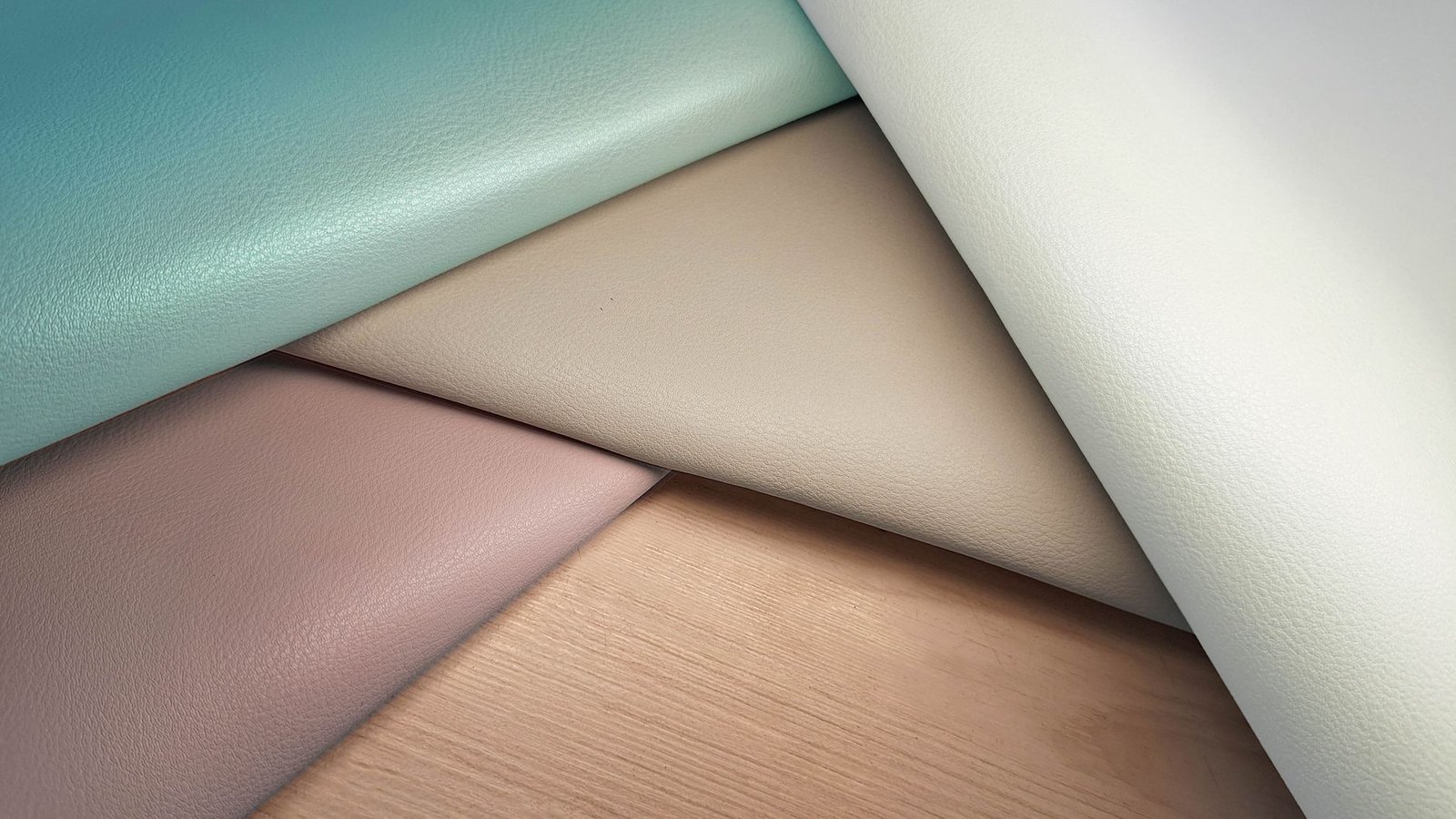
To understand the significance of this material, one must first define its chemical foundation. Water-based water-based PU leather is a synthetic material produced using water as the primary solvent during the manufacturing process, rather than organic chemicals(GRCN Trade). This fundamental difference alters the entire lifecycle of the product. Traditional polyurethane leather often relies on dimethylformamide (DMF) or other toxic solvents to dissolve the polymer components(BZ Leather). In contrast, the water-based formulation eliminates these hazardous substances, resulting in a cleaner production line and a safer final product. The base layer typically consists of a fabric backing, such as polyester or nylon, which is coated with a polyurethane dispersion that uses water for viscosity control and application stability. This definition clarifies that the material is not merely a marketing term but a distinct chemical entity with measurable environmental benefits.
Why the Shift to Solvent-Free Materials?
The industry movement toward solvent-free materials is driven by a convergence of regulatory pressure, health concerns, and economic efficiency. Governments worldwide are enforcing stricter limits on volatile organic compounds (VOCs) emitted by industrial facilities(Eco Fibers). These regulations compel manufacturers to adopt cleaner technologies to avoid penalties and ensure compliance. Furthermore, the health risks associated with traditional solvents like DMF are well-documented. Workers in conventional factories face exposure to neurotoxic and carcinogenic agents, leading to increased healthcare costs and liability issues. Switching to solvent-free adhesives and coatings drastically reduces waste and lowers material usage, improving overall sustainability metrics(AWT Label Pack). For consumers, the demand for non-toxic products has risen sharply, particularly in sectors like children’s furniture and automotive interiors, where indoor air quality is paramount. This shift is no longer optional; it is a strategic necessity for modern businesses aiming to maintain market relevance and operational integrity.
Key Advantages of Water-Based PU Leather
Beyond environmental compliance, water-based PU leather offers tangible performance benefits that appeal to both manufacturers and end-users. The primary advantage lies in its safety profile. By excluding toxic solvents, the material poses minimal risk of off-gassing harmful chemicals into living spaces(Taiqi Leather). This makes it ideal for residential and commercial environments where air quality is monitored. Additionally, water-based formulations provide exceptional softness and suppleness. Unlike rigid synthetic alternatives, this material mimics the tactile qualities of genuine animal leather more closely, offering a premium feel without the ethical concerns(Siwo USA). Durability is another key strength. Modern water-based polyurethanes are engineered to resist wear, tear, and abrasion, ensuring a longer product lifespan. The waterproof nature of many water-based PU variants also adds practical utility, making them suitable for high-moisture areas such as bathrooms or outdoor furniture. These combined attributes create a compelling value proposition that extends beyond mere eco-friendliness.
Comparison: Water-Based vs. Traditional Solvent-Based PU
To fully appreciate the technological leap, one must compare water-based and solvent-based polyurethanes across several critical dimensions. The differences extend beyond just the solvent type to include odor, drying time, appearance, and environmental impact. The table below outlines these distinctions clearly.
| 특징 | Water-Based PU | Traditional Solvent-Based PU |
|---|---|---|
| Solvent Type | Water (No organic solvents)(Greco Resin) | DMF, Toluene, or other VOCs(BZ Leather) |
| Odor | Low or negligible odor | Strong, persistent chemical smell |
| Drying Time | Faster drying in many applications | Requires several hours to days |
| Appearance | Clearer, less amber hue | Warmer, amber-toned finish |
| Environmental Impact | Low VOC emissions, easier cleanup | High VOC emissions, hazardous waste |
| Durability | High resistance to wear and tear | Good, but may degrade faster due to solvent evaporation |
As shown, water-based options generally offer faster processing times and easier maintenance for manufacturers. While solvent-based PU has historically been valued for its deep amber tone and specific durability traits, advancements in water-based chemistry have narrowed this gap significantly. The clearer finish of water-based PU allows for more vibrant color matching, which is crucial in fashion and interior design. Moreover, the absence of strong odors enables immediate use of finished goods, eliminating the need for extended airing-out periods required by solvent-based products. This efficiency translates directly into cost savings and improved supply chain velocity.
Common Applications and Use Cases
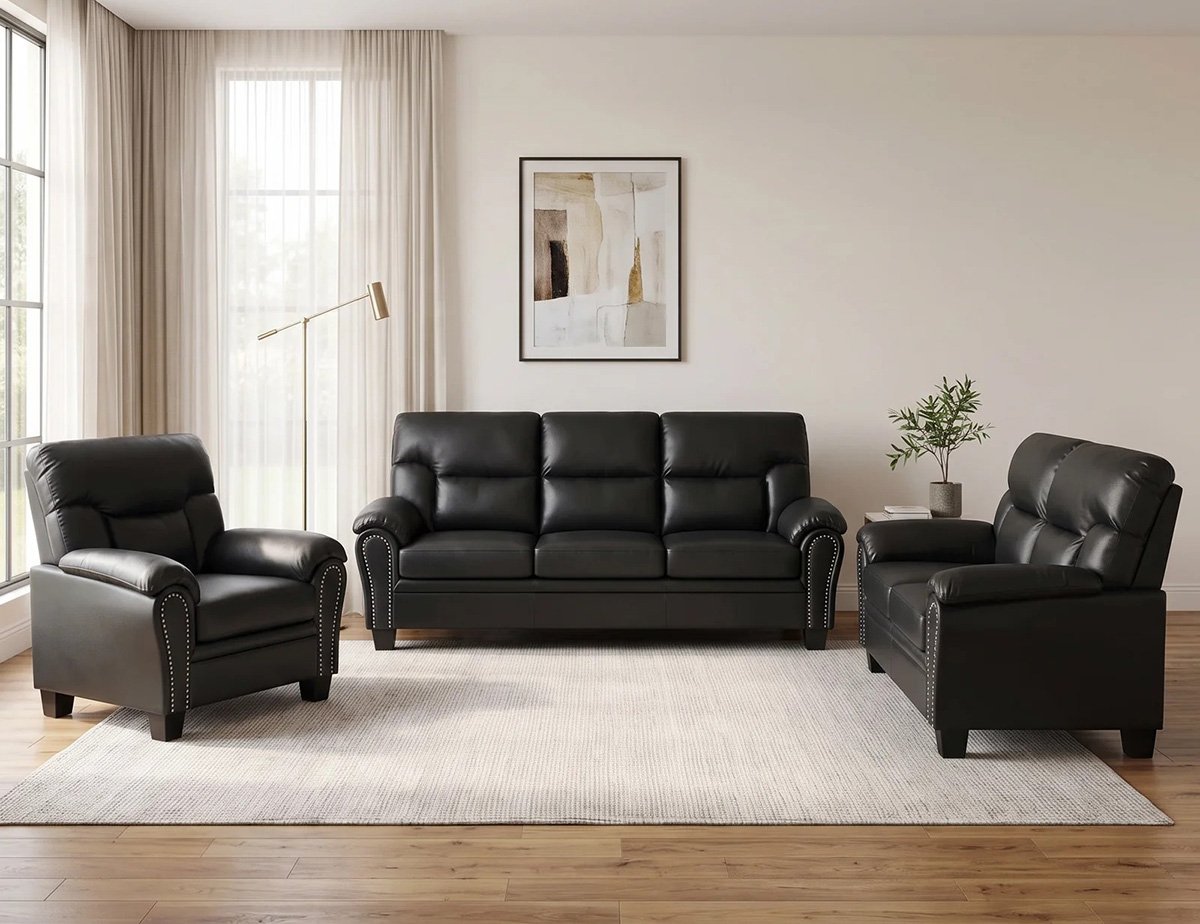
The versatility of water-based PU leather allows it to permeate various industries, replacing both traditional synthetics and, in some cases, animal leather. In the furniture sector, major retailers have begun integrating water-based materials into sofa collections to meet green building certifications. For instance, a leading furniture manufacturer in Portland, Oregon, updated its production line in 2023 to use water-based PU for all upholstered chairs, citing improved indoor air quality scores for their customers’ homes. The automotive industry is another significant adopter. Car manufacturers in Germany, such as those producing electric vehicles, utilize this material for seat covers and dashboard trims to reduce cabin emissions and meet strict EU environmental standards. In fashion, brands focusing on ethical production use water-based PU for handbags and shoes, appealing to consumers who reject animal products but desire high durability. A notable example is a boutique shoe brand in New York City that launched a line of vegan sneakers using water-based PU, achieving a 40% reduction in production waste compared to their previous models. These use cases demonstrate that the material is not limited to niche markets but is becoming a standard in mainstream, high-volume manufacturing.
How to Identify Genuine Water-Based PU Leather
With the growing popularity of eco-friendly materials, distinguishing authentic water-based PU from misleadingly labeled products is essential for buyers. Several practical steps can help verify the quality and composition of the material. First, examine the product documentation. Reputable suppliers provide technical data sheets (TDS) that explicitly state the absence of DMF and other organic solvents(BZ Leather). Second, assess the physical properties. Genuine water-based PU tends to be softer and more breathable than solvent-based counterparts, which can feel stiff or plasticky(Siwo USA). Third, check for durability indicators. High-quality water-based PU should show resistance to cracking and peeling after repeated flexing. Manufacturers often test these materials against standards like Martindale abrasion tests. Finally, look for certifications. Labels such as OEKO-TEX Standard 100 or GREENGUARD Gold indicate that the product has been tested for harmful substances and low chemical emissions. Buyers should be wary of products that lack transparent sourcing information or fail to provide third-party verification. Establishing a rigorous identification protocol ensures that investments in sustainable materials yield the expected environmental and performance benefits.
Future Trends in Eco-Friendly Leather Alternatives
The landscape of alternative leather is evolving rapidly, with innovation extending beyond polyurethane to include bio-based materials. While water-based PU remains a dominant force, emerging technologies such as mycelium leather, plant-based leathers, and microbial textiles are gaining traction. Research reports indicate a surge in development for materials derived from agricultural waste and lab-grown biological structures(IDTechEx). However, challenges remain. Many new alternatives still rely on some element of plastic or fossil-fuel-derived materials to ensure durability, raising questions about their true biodegradability(Good On You). The industry faces a mindset shift, requiring brands to balance aesthetic appeal, longevity, and sustainability. Future trends suggest a hybrid approach, where bio-based coatings are applied to recycled fabric bases, minimizing virgin plastic use. Additionally, advancements in recycling technologies will likely address the end-of-life issues currently associated with synthetic leathers. As consumer awareness grows, demand will drive further investment in truly circular economy models. Companies that proactively adapt to these trends will lead the next wave of sustainable material innovation, moving beyond mere compliance to genuine ecological stewardship.
Conclusion
The transition to solvent-free materials marks a pivotal moment in the evolution of synthetic leather. Water-based PU leather stands at the forefront of this change, offering a robust combination of environmental responsibility, health safety, and superior performance. By understanding its chemical distinctions, recognizing its advantages over traditional methods, and applying rigorous identification practices, stakeholders can make informed decisions that support sustainable manufacturing. As the industry continues to innovate with bio-based alternatives and circular solutions, the foundational principles established by water-based technology will guide future developments. Ultimately, the adoption of these materials reflects a broader commitment to preserving human health and planetary resources, proving that ecological integrity and industrial excellence can coexist.