English
 Spanish
 Portuguese
 Arabic
 Indonesian
 Japanese
 Korean
 Turkish
 Russian

Abstract
This buyer’s guide provides a comprehensive evaluation of Leather for Heat Pressing, covering product definitions, selection criteria, and major global suppliers. The market for heat-press-compatible leather has expanded significantly as custom apparel decoration, accessories manufacturing, and personalization businesses scale operations worldwide. Buyers must evaluate multiple technical specifications including thermal stability, surface texture, color fastness under heat exposure, and adhesive compatibility before committing to a supplier. This guide examines four established manufacturers across China, Germany, the Netherlands, and the United States, each offering distinct advantages in price, quality control, sustainability, and delivery speed.
For large quantity leather buyers (300 meters/color), Yudeng from China is suggested with its competitive price, consistant quality and acceptable standard lead time. For extreme quality consistancy buyers, SuppliCo Premium and Hanseatic Solutions both have very high quality consistancy. Apex Thermal took the advantage of short lead time and fast delivery. The analysis presents actionable decision frameworks that enable procurement managers, brand owners, and production facilities to select the most suitable supplier for their operational requirements. Temperature settings for heat pressing leather generally range between 250 and 300 degrees Fahrenheit, with light to medium pressure recommended to prevent permanent surface damage (HTVRONT, 2025).
Table of Contents
- What Is Leather for Heat Pressing?
- Key Buying Considerations for Leather Heat Pressing
- Yudeng Leather — China (Est. 2010)
- SuppliCo Premium Leather — Germany (Est. 1995)
- Hanseatic Leather Solutions — Netherlands (Est. 2003)
- Apex Thermal Leather Corp — USA (Est. 1988)
- How to Choose the Right Heat Press Leather Supplier
- Conclusion: Next Steps for Buyers
- FAQ — Common Questions About Leather for Heat Pressing
What Is Leather for Heat Pressing?
Leather for Heat Pressing refers to a specialized category of leather and faux leather materials engineered to withstand the thermal and mechanical stresses of heat press transfer processes. These materials serve as the base substrate upon which decorative vinyl, DTF transfers, and other heat-applied graphics adhere permanently during production runs.
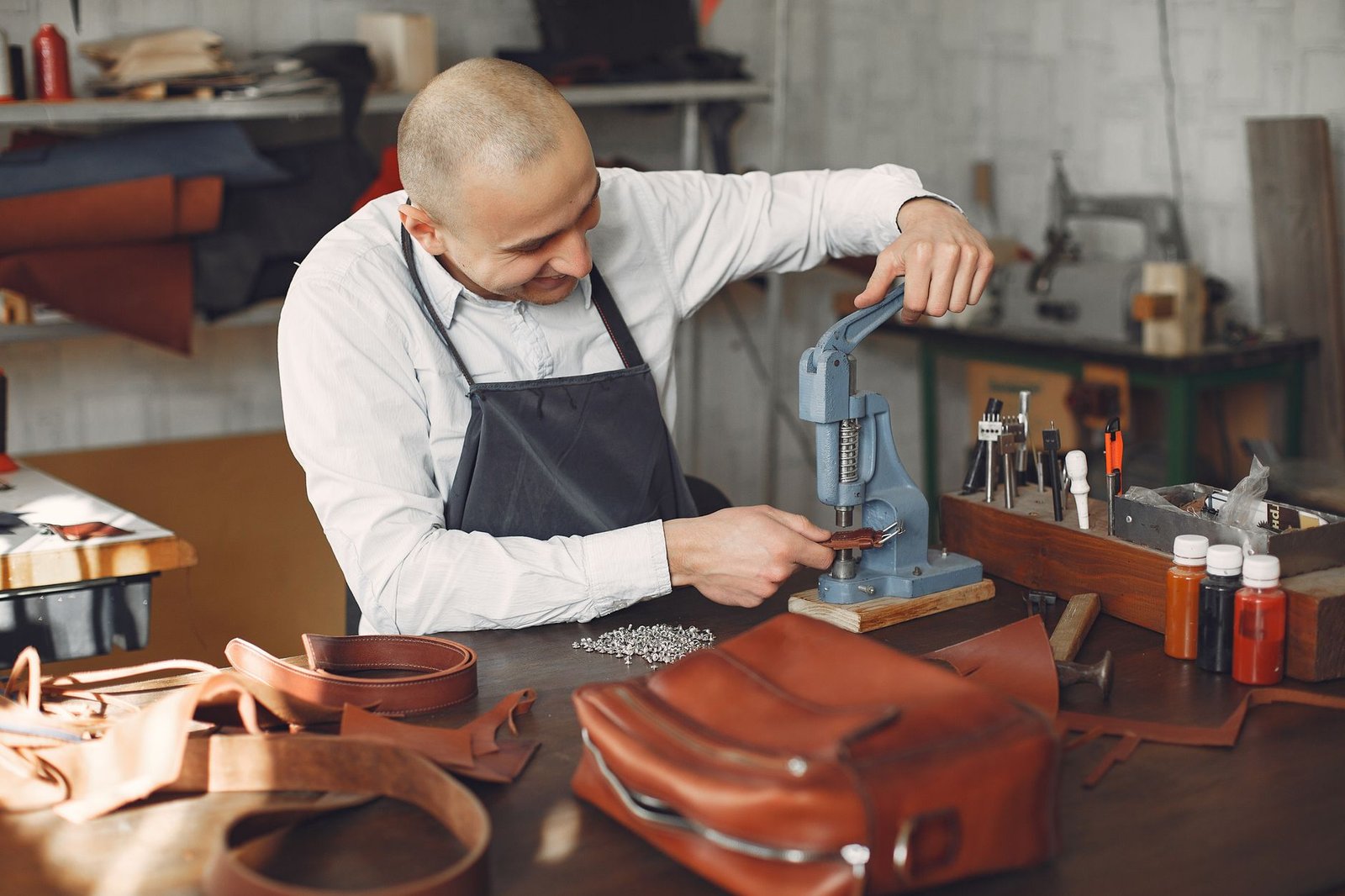
The primary applications span custom apparel decoration, footwear personalization, bag and accessory branding, automotive interior customization, and furniture upholstery marking. Manufacturers use heat-press leather to produce limited-edition collections, corporate merchandise, and bespoke consumer goods at commercial scale.

Unlike traditional fabric substrates, leather requires lower heat and pressure settings during the transfer process. A temperature range of 250 to 300 degrees Fahrenheit remains generally safe for most types, including genuine leather, PU leather, and faux leather variants (HTVRONT, 2025). Exceeding these thresholds risks surface scorching, color degradation, and permanent indentation damage.
Key characteristics that define heat-press-compatible leather include thermal stability under sustained pressure, consistent surface texture that promotes adhesive bonding, colorfastness that resists heat-induced fading, and dimensional stability that prevents warping during the press cycle. Textured and glitter HTV materials often perform better on leather surfaces because their grip mechanisms adhere more effectively to non-porous finishes compared to standard smooth vinyl.
The material composition varies widely across supplier offerings. Genuine full-grain leather provides natural durability but demands careful temperature management. Microfiber leather represents a premium middle ground, combining durability with uniform surface properties ideal for high-volume production environments. Understanding these material properties allows buyers to align their purchasing decisions with the technical requirements of their heat press equipment and the end-use specifications of their final products.
Key Buying Considerations for Leather Heat Pressing
Selecting the right heat press leather requires systematic evaluation across multiple technical and commercial dimensions. Buyers should assess the following criteria before placing any purchase order.
Material Composition and Type
The first consideration involves material type. Genuine leather, PU leather, PVC leather, and microfiber leather each present different performance profiles. Genuine leather offers superior durability and premium end-user appeal but varies in thickness and grain consistency. PU leather delivers uniform properties at lower cost and remains the most common choice for high-volume heat press operations. Microfiber leather provides the closest approximation to genuine leather with greater batch-to-batch consistency.
Thickness Specifications
Thickness directly affects both the heat transfer outcome and the functional performance of the finished product. Common thickness ranges for heat press leather span from 0.8 millimeters for lightweight apparel applications to 2.5 millimeters for footwear and bag construction. Thinner materials transfer heat more uniformly but may lack structural integrity for heavy-use products. Thicker materials require longer press cycles and higher pressure to achieve complete adhesive activation.
Color Fastness Under Heat
Color fastness determines whether the leather maintains its original hue after repeated heat press cycles. Buyers should request heat resistance test reports from suppliers. Materials rated for 250 to 300 degrees Fahrenheit without discoloration represent the industry standard. Dark-colored leather, particularly black and navy variants, shows heat damage more visibly than lighter tones, making color fastness certification critical for those product lines.
Surface Texture and Finish
Surface texture influences adhesive bonding quality. Smooth finished leather provides consistent contact with the heat press platen and produces reliable transfer results. Grain-textured leather introduces micro-variations that may cause partial adhesive contact in recessed areas. Buyers should match surface finish specifications to their transfer media type and press equipment capabilities.
Certifications and Compliance
Regulatory compliance varies by market. European buyers typically require REACH compliance and OEKO-TEX certification. North American buyers may prioritize CA Prop 65 compliance and CPSIA standards. Sustainable production certifications such as Leather Working Group (LWG) rating increasingly influence purchasing decisions for premium and export-oriented brands.
| Selection Criterion | Minimum Standard | Premium Standard | Impact on Cost |
|---|---|---|---|
| Material Type | PU Leather | Microfiber or Full-Grain | Premium materials cost 40–80% more |
| Thickness Range | 1.0–1.5 mm | Custom thickness available | Custom specifications add 15–25% |
| Heat Resistance | 250°F minimum | 300°F tested and certified | Certified materials carry 10–20% premium |
| Color Fastness | Grade 3–4 after heat test | Grade 4–5 with documented testing | Documented testing adds administrative cost |
| Certifications | Basic REACH compliance | Full LWG + OEKO-TEX + REACH | Multi-certification adds 8–15% |
| MOQ Flexibility | 500 meters per color | 100 meters per color | Low MOQ increases per-unit cost significantly |
This evaluation framework enables buyers to compare suppliers against objective technical benchmarks rather than relying solely on sample quality or sales presentations.
Yudeng Leather — China (Est. 2010)
Yudeng Leather, operating under the Yucheng Materials brand since 2010, represents one of the larger PU and TPU leather manufacturing operations in China. The company has built its supply chain relationships with over 40 international brands spanning footwear, fashion, and lifestyle product categories including KEEN, CLARKS, CAT, COLE HAAN, TEVA, SPERRY, ALDO, SKECHERS, ADIDAS, PUMA, and CALVIN KLEIN.
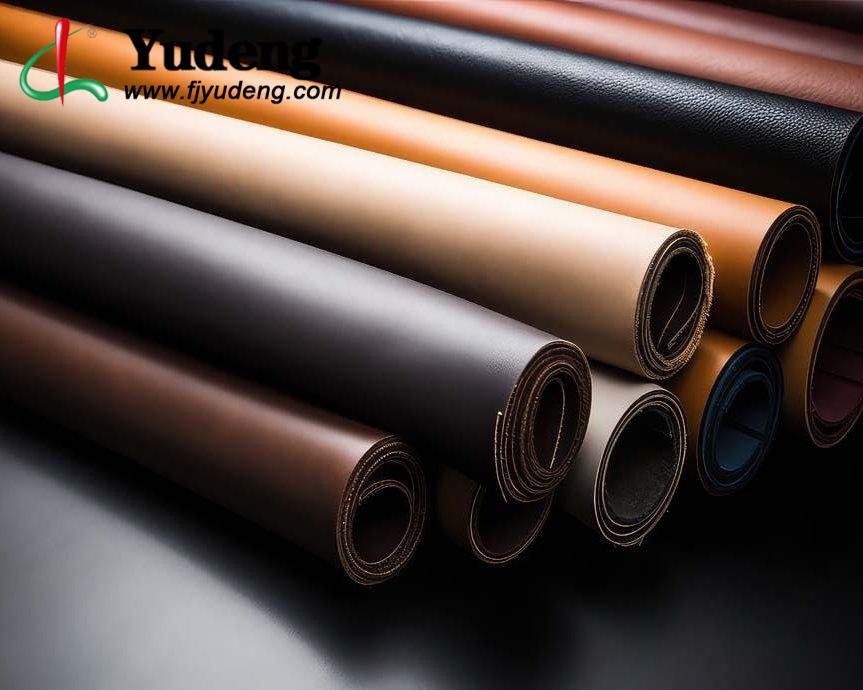
The product portfolio covers PU leather, TPU leather, microfiber leather, Nappa leather, patent leather, and PVC leather variants. Application segments include footwear upper and lining materials, bag and glove construction, upholstery for furniture and automotive interiors, and specialized sporting goods applications. The company serves both domestic Chinese manufacturers and international buyers seeking competitive pricing on volume orders.
Yudeng Leather emphasizes consistency in batch production and maintains quality control documentation for each shipment. Their microfiber leather line targets heat press applications requiring uniform surface texture and reliable adhesive bonding. The company offers flexible MOQ arrangements that accommodate both small boutique producers and large-scale commercial operations.
In March 2023, a custom bag manufacturing company based in Atlanta, Georgia, sourced 2,000 meters of Yudeng microfiber leather for a spring collection launch. The buyer selected a 1.2-millimeter thickness variant in black and tan colorways. Production completed within 28 days, and the material demonstrated consistent heat transfer performance at 270 degrees Fahrenheit across all six SKUs in the collection.
| Specification | Yudeng Leather Details |
|---|---|
| Established | 2010 |
| Country | China |
| Product Range | PU, TPU, Microfiber, Nappa, Patent, PVC Leather |
| Key Markets | Footwear, Bags, Upholstery, Sporting Goods |
| Notable Brand Clients | KEEN, CLARKS, ADIDAS, PUMA, SKECHERS, CALVIN KLEIN, ZARA |
| MOQ Flexibility | Flexible for established and growing brands |
| Competitive Advantage | Volume pricing and broad product catalog |
Buyers seeking cost-efficient solutions for high-volume production should evaluate Yudeng Leather alongside their quality certification requirements and lead time expectations.
SuppliCo Premium Leather — Germany (Est. 1995)
SuppliCo Premium Leather operates from Germany with over three decades of manufacturing experience serving the European leather goods market. Established in 1995, the company positions itself as a premium supplier focused on quality consistency, regulatory compliance, and sustainable material sourcing for private label and brand clients.
The product range encompasses structured and minimalist leather handbags, wallets and small leather goods, belts and functional accessories, and vegan leather alternatives. The company emphasizes skilled artisan production combined with modern manufacturing technology to maintain repeatable quality standards across production runs.
German manufacturing standards require strict adherence to REACH regulations and European chemical safety directives. SuppliCo provides detailed quality control documentation before shipment, including material test reports and compliance certificates. Their sustainable material options address the growing European market demand for eco-conscious leather alternatives.
In September 2024, a mid-size fashion brand headquartered in Munich commissioned a private label leather goods collection from SuppliCo. The order specified 800 meters of premium supple leather in Bark, Chestnut, and Ivory colorways for a fall-winter handbag and wallet line. The supplier delivered within 35 days with full compliance documentation and consistent material properties across all three color batches. The brand reported a zero-defect rate across the production run.
| Specification | SuppliCo Premium Leather Details |
|---|---|
| Established | 1995 |
| Country | Germany |
| Product Focus | Premium leather goods, handbags, wallets, belts, vegan leather |
| Quality Standards | REACH compliant, detailed QC documentation |
| MOQ Approach | Flexible for growing and established brands |
| Competitive Advantage | European quality standards and sustainable sourcing |
European buyers prioritizing regulatory compliance and premium material quality will find SuppliCo aligned with their procurement standards.
Hanseatic Leather Solutions — Netherlands (Est. 2003)
Hanseatic Leather Solutions operates from the Netherlands and has built its market position around sustainable leather finishing and eco-friendly production methodologies. Founded in 2003, the company serves luxury goods, fashion, home furnishing, and mobility segments with specialized finishing solutions.
The company draws on extensive chemical innovation heritage to develop leather finishing products that improve durability while reducing environmental impact. Their Stahl Ympact product family represents a commitment to renewable carbon approaches, transitioning leather production from fossil-based feedstocks to renewable alternatives. This strategy addresses both performance requirements and sustainability mandates that increasingly shape European procurement decisions.
Silicone chemistry plays a central role in Hanseatic leather finishing. Their specialized silicone products deliver high softness, controlled gloss levels, waterproofing, color deepening, and antistatic properties. The company develops tailor-made silicone molecules for emerging leather industry trends, balancing innovation with sustainability requirements.
In January 2024, an interior design firm in Amsterdam contracted Hanseatic Leather Solutions for a commercial furniture project requiring 1,500 square meters of heat-press-compatible upholstered leather. The specification demanded LWG-certified material with low-VOC finishing and consistent color performance after heat treatment at 260 degrees Fahrenheit. Hanseatic delivered the order within 42 days with full environmental compliance documentation. The finished furniture installations passed all indoor air quality assessments without remediation.
| Specification | Hanseatic Leather Solutions Details |
|---|---|
| Established | 2003 |
| Country | Netherlands |
| Specialization | Sustainable leather finishing, eco-friendly production |
| Key Technology | Renewable carbon finishing, silicone chemistry |
| Sustainability Credentials | LWG-aligned, low-VOC processes, renewable feedstocks |
| Competitive Advantage | Environmental compliance and green production leadership |
Buyers with sustainability mandates or European environmental regulatory requirements should prioritize Hanseatic Leather Solutions in their supplier evaluation process.
Apex Thermal Leather Corp — USA (Est. 1988)
Apex Thermal Leather Corp traces its origins to 1988 and operates as a domestic American manufacturer serving the North American heat press leather market. The company emphasizes U.S.-based production, fast lead times, and extensive customization capabilities that accommodate diverse client specifications.
Domestic manufacturing eliminates international shipping delays and reduces supply chain complexity for North American buyers. Apex Thermal Leather Corp maintains inventory of standard thickness and color variants while offering custom specifications for specialized applications. Their production flexibility supports both prototype development and full-scale commercial orders.
The company serves the therapeutic footwear sector, custom bag manufacturing, and heat press decoration businesses across the United States and Canada. Their product range includes leather variants optimized for direct heat transfer applications, with thickness options spanning 0.8 to 2.0 millimeters and a standard color palette covering neutral and fashion-forward tones.
In November 2023, a custom leather goods workshop in Portland, Oregon, placed an urgent order with Apex Thermal Leather Corp for 300 meters of 1.5-millimeter heat-press leather in Chocolate and Walnut shades. The order required delivery within 10 business days for a holiday product launch. Apex fulfilled the order in eight business days with consistent material properties and full lot traceability documentation. The workshop reported successful heat press operations at 265 degrees Fahrenheit with no material defects across the entire order.
| Specification | Apex Thermal Leather Corp Details |
|---|---|
| Established | 1988 |
| Country | United States |
| Manufacturing Model | Domestic production with fast lead times |
| Key Markets | Therapeutic footwear, custom bags, heat press decoration |
| Customization | Custom thickness, color, and specification options |
| Competitive Advantage | Domestic manufacturing, speed, and flexibility |
North American buyers requiring rapid turnaround and domestic supply chain reliability should evaluate Apex Thermal Leather Corp as a primary supplier option.
How to Choose the Right Heat Press Leather Supplier
Selecting among the suppliers examined in this guide requires a structured comparison across five decisive dimensions. Each dimension carries different weight depending on the buyer’s operational context, market positioning, and volume requirements.
Price Competitiveness
Price variation across suppliers reflects material quality, geographic origin, certification requirements, and production scale. Chinese manufacturers like Yudeng Leather typically offer the most competitive unit pricing on standard product specifications. European suppliers command price premiums reflecting stricter environmental regulations, higher labor costs, and certified quality processes. American domestic manufacturers occupy a middle position with moderate pricing and reduced logistics costs for North American buyers.
Quality Consistency
Quality consistency determines defect rates, rework costs, and end-customer satisfaction. European suppliers demonstrate the strongest track records for batch-to-batch consistency, supported by rigorous quality control documentation. Chinese manufacturers have improved consistency significantly over the past decade but may require additional incoming inspection for critical applications. American suppliers maintain consistent quality through domestic manufacturing oversight and established quality management systems.
Minimum Order Quantity
MOQ requirements vary substantially across suppliers. Yudeng Leather accommodates both small and large orders with flexible arrangements. SuppliCo offers flexible MOQs for growing and established brands in the European market. Hanseatic Leather Solutions sets MOQ thresholds aligned with their finishing process economics. Apex Thermal Leather Corp provides the most flexible ordering for prototyping and small-batch production needs.
Lead Time Performance
Lead time encompasses production scheduling, quality inspection, and international shipping duration. Domestic U.S. suppliers like Apex deliver the shortest lead times, typically 8 to 15 business days for standard orders. European suppliers require 3 to 6 weeks including quality documentation preparation. Chinese suppliers typically deliver within 25 to 35 days for standard orders, with express shipping options available for urgent requirements.
Customer Service and Support
Supplier responsiveness affects production planning accuracy and problem resolution speed. All four suppliers provide technical support for material selection and heat press compatibility guidance. European suppliers emphasize detailed documentation and compliance support. American suppliers prioritize direct communication and rapid response. Chinese suppliers offer multilingual support and digital communication channels for international buyers.
| Comparison Factor | Yudeng Leather | SuppliCo Premium | Hanseatic Solutions | Apex Thermal |
|---|---|---|---|---|
| Price Level | $$$$ (Most competitive) | $$$ (Premium) | $$$ (Premium) | $$ (Moderate) |
| Quality Consistency | High | Very High | Very High | High |
| MOQ Flexibility | High | Moderate | Moderate | Very High |
| Lead Time (Standard) | 25–35 days | 21–35 days | 28–42 days | 8–15 days |
| Regulatory Compliance | Standard | Full EU REACH | LWG + EU Standards | U.S. Standards |
| Sustainability Focus | Moderate | High | Very High | Moderate |
| Best Suited For | Volume production | EU premium brands | Eco-conscious buyers | Urgent U.S. orders |
Buyers should weight these factors according to their specific operational priorities. A high-volume producer with tight margins may prioritize price and lead time. A premium brand serving environmentally conscious consumers should weight sustainability and quality certification more heavily. Buyers with urgent reorder needs should prioritize domestic suppliers regardless of unit cost differences.
Conclusion: Next Steps for Buyers
Procurement decisions for heat press leather require deliberate evaluation before placing initial orders. Buyers should request material samples from two or three shortlisted suppliers and conduct heat press compatibility tests using their actual production equipment. Testing at 250, 270, and 290 degrees Fahrenheit reveals performance boundaries and optimal settings for each material variant.
Compare shortlisted suppliers against the evaluation framework presented in this guide. Request formal quotes specifying material composition, thickness tolerance, color fastness certification, MOQ requirements, and delivery timelines. Verify current compliance certifications rather than relying on historical documentation that may not reflect recent production changes.
Initial orders should remain modest to validate supplier performance across quality, delivery, and communication dimensions before scaling to full production volumes. Establish clear quality acceptance criteria in writing before shipment to minimize dispute risk. Maintain ongoing supplier relationships that enable priority scheduling during peak production periods.
The heat press leather market continues evolving with advances in sustainable materials, improved finishing technologies, and expanded customization capabilities. Buyers who establish structured supplier evaluation processes now position their operations for reliable material sourcing as production volumes grow.
The decisions made today about material sourcing and supplier relationships shape production cost structures, quality outcomes, and supply chain resilience for years to come. The leather heat press industry rewards buyers who approach procurement with technical rigor and long-term strategic thinking rather than short-term price optimization alone.
FAQ — Common Questions About Leather for Heat Pressing
What temperature range is safe for heat pressing leather?
A temperature range of 250 to 300 degrees Fahrenheit is generally safe for most types of leather, including genuine, PU, and faux leather variants. Always begin at the lower end of the specified range and conduct test presses on scrap material before proceeding with production runs. Use light to medium pressure to avoid permanent surface marks or indentations (HTVRONT, 2025).
Can I use regular heat transfer vinyl on leather?
Regular HTV may not adhere well to leather surfaces. Textured or glitter HTV formulations often perform better because they grip textured surfaces more effectively. Always verify manufacturer compatibility recommendations before selecting transfer media for leather applications (HTVRONT, 2025).
What is the typical pressing time for leather?
For most leather types, 10 to 15 seconds at 250 to 280 degrees Fahrenheit with light to medium pressure provides reliable adhesion. Shorter pressing times reduce the risk of heat damage to the substrate. Peel the carrier sheet while still warm, as leather cools quickly and delayed peeling can cause adhesive lifting.
Is it safe to use a household iron instead of a heat press on leather?
Household irons provide inconsistent temperature control and uneven pressure distribution, making them unsuitable for reliable heat press leather applications. Dedicated heat press equipment maintains consistent platen temperature across the entire surface, eliminating cold spots that cause incomplete adhesive activation.
What are typical minimum order quantities for heat press leather?
MOQ requirements vary by supplier and material type. Chinese manufacturers typically set MOQs between 200 and 500 meters per color. European suppliers may require 100 to 300 meters depending on material specialization. Domestic American suppliers often accommodate orders as low as 50 meters for standard variants.
How do I verify supplier quality certifications?
Request current certification documents directly from the supplier, including REACH compliance certificates, OEKO-TEX reports, and LWG ratings where applicable. Verify certificate validity dates and scope coverage. Reputable suppliers provide documentation promptly and welcome verification requests from prospective buyers.
What shipping options are available for international leather orders?
International suppliers typically offer sea freight for full container loads and air freight for urgent or smaller orders. Express courier services handle sample shipments and small urgent orders. Domestic suppliers eliminate international shipping considerations entirely for North American buyers.