Portuguese
  English
  Spanish
  Arabic
  Indonesian
  Japanese
  Korean
  Turkish
  Russian
Resumo
Polyurethane leather is unequivocally vegan when manufactured without animal-derived split leather bases, offering a cruelty-free alternative to traditional hides. This analysis confirms that standard couro de poliuretano relies on synthetic polymers coated onto fabric, ensuring zero animal involvement. However, consumers must distinguish between pure synthetic versions and bicast leathers, which may contain animal by-products. The following sections dissect the manufacturing processes, ethical definitions, and environmental implications to guide informed purchasing decisions.
Índice
- What is PU Leather and How is it Made?
- The Definition of “Vegan” in Fashion and Materials
- Key Differences Between PU Leather and Genuine Animal Leather
- Common Misconceptions About Synthetic Leathers
- Environmental Impact of PU Leather vs. Animal Leather
- How to Identify Truly Vegan Leather Products
- Pros and Cons of Choosing PU Leather
- Frequently Asked Questions About Vegan Materials
What is PU Leather and How is it Made?
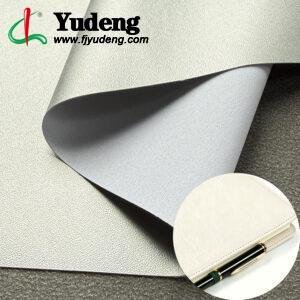
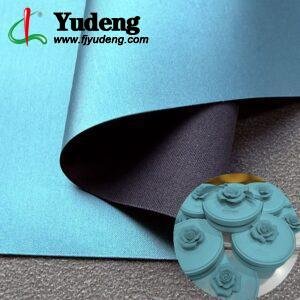
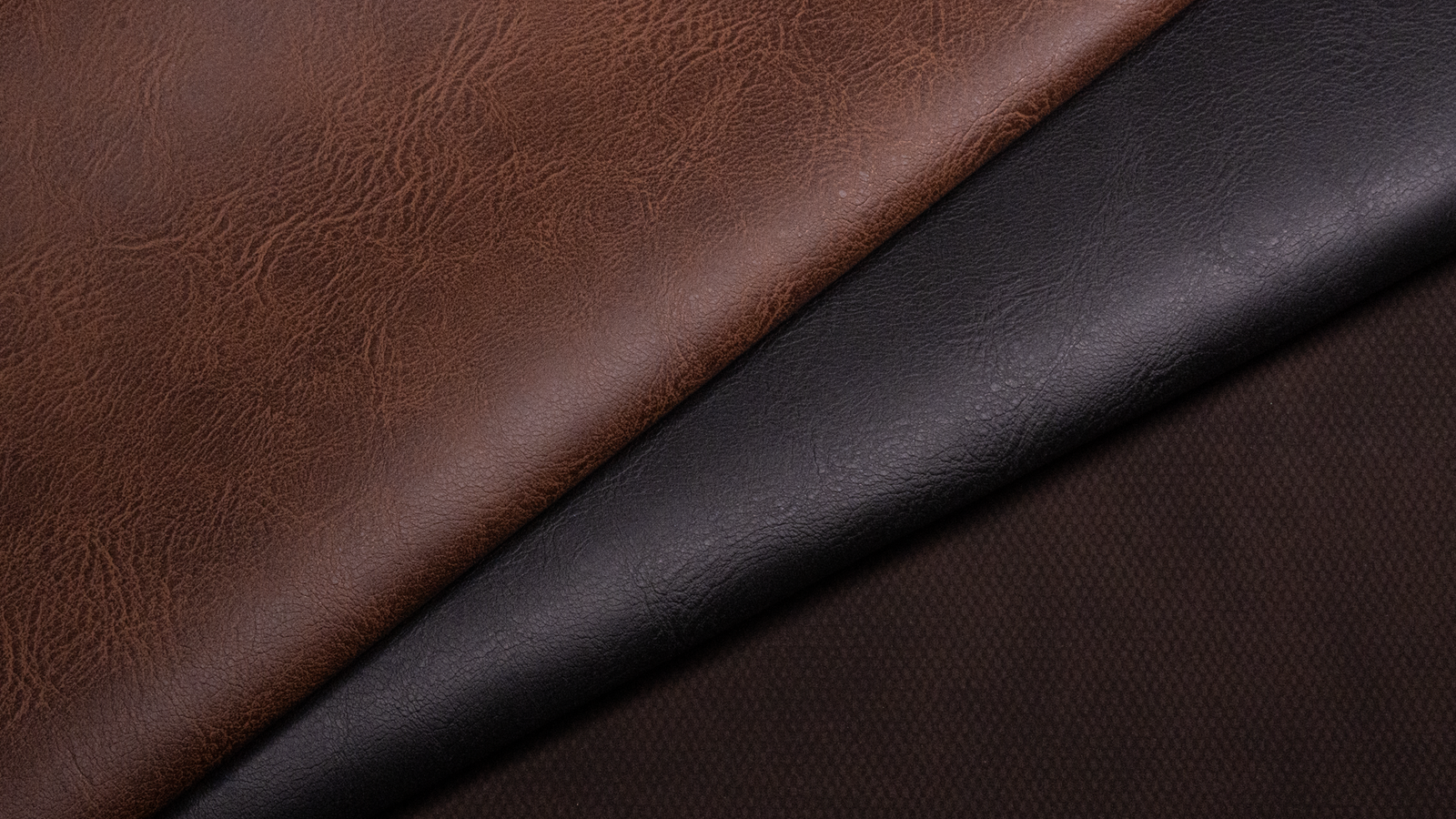
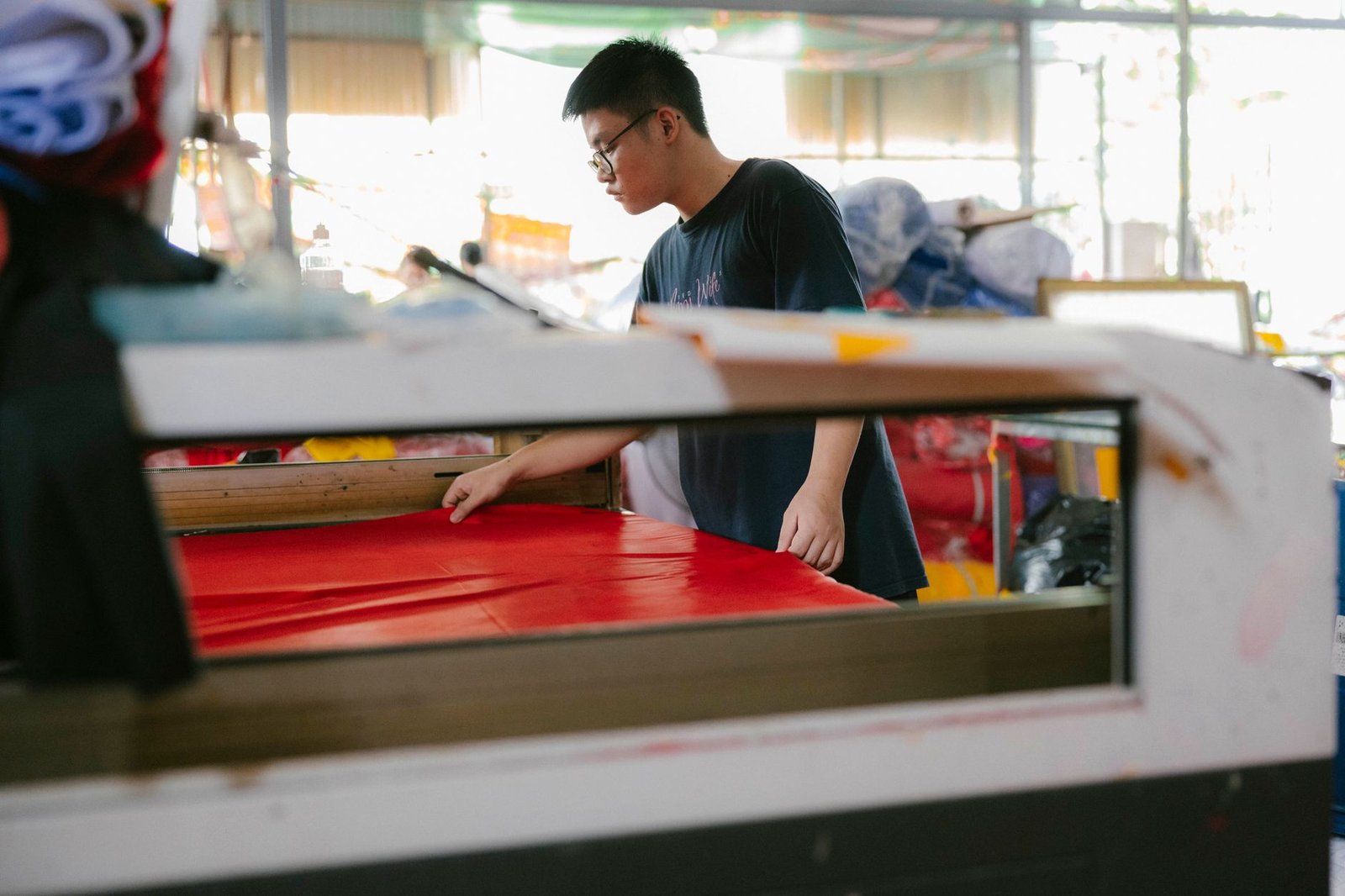
Polyurethane leather, commonly abbreviated as PU leather, is a synthetic material designed to mimic the aesthetic and tactile qualities of animal hide. It is constructed by applying a layer of polyurethane resin onto a base fabric, typically composed of polyester or cotton. The manufacturing process begins with the creation of this fabric backing. Once the base is prepared, manufacturers coat it with a flexible polyurethane plastic layer. This coating is then textured and embossed to replicate the grain patterns found in genuine leather.
It is crucial to note that while most PU leather is entirely synthetic, some variations involve applying the PU coating to split leather, which is the fibrous lower section of an animal hide. When animal split leather is used as the base, the resulting product is classified as bicast leather and is not considered vegan. Therefore, true vegan PU leather must utilize a non-animal fabric base, such as nylon, cotton, or vinyl, ensuring no animal parts are involved in the composition. This distinction establishes that the material itself is a plastic-coated fabric rather than a processed animal skin. For those interested in the broader industry landscape, exploring the china pu leather company manufacturer reveals the scale of production involved in creating these materials.
The Definition of “Vegan” in Fashion and Materials
In the context of fashion and materials, “vegan” signifies the complete absence of animal-derived ingredients or by-products. Vegan fashion refers to apparel, accessories, and footwear manufactured without using materials such as leather, wool, silk, or fur. This definition extends beyond mere aesthetics to encompass the entire supply chain, ensuring that no animals were harmed or utilized during production. A more specific interpretation defines vegan fashion as apparel made from alternative materials that resemble animal products without causing harm to animals.
To be certified or labeled as vegan, a product must avoid all animal extracts. This includes exotic leathers, shellac derived from insects, and glues made from animal collagen. Consumers seeking truly vegan items must scrutinize ingredient lists, as terms like “faux leather” or “synthetic leather” do not automatically guarantee vegan status if animal-based binders or backs are used. The core principle remains the exclusion of any material sourced from living or dead animals, prioritizing synthetic or plant-based alternatives instead. Understanding these definitions is key when evaluating o que é couro sintético pu options in the market.
Key Differences Between PU Leather and Genuine Animal Leather
The primary distinction between polyurethane leather and genuine animal leather lies in their origin and composition. Genuine leather is derived directly from animal hides, requiring tanning processes that often involve toxic chemicals and significant water usage. In contrast, PU leather is an artificial polymer that avoids animal cruelty entirely. While genuine leather is a natural, biodegradable material, PU leather is a plastic-based product that does not decompose easily in landfills.
Cost and accessibility also differ significantly. PU leather is substantially less expensive to produce than genuine leather, making it a more affordable option for consumers. The production of genuine leather relies on the meat industry, utilizing by-products that might otherwise go to waste, whereas PU leather is manufactured independently of agricultural cycles. Ethical consumers often prefer PU leather for its consistent supply and lower price point, while others prioritize the durability and natural aging properties of genuine hide. The table below summarizes these key contrasts.
| Recurso | Couro PU | Genuine Animal Leather |
|---|---|---|
| Origin | Synthetic polymer on fabric base | Animal hide |
| Vegan Status | Yes (if no split leather base) | No |
| Biodegradability | Low (Plastic-based) | High (Natural fiber) |
| Custo | Affordable | Premium |
| Durabilidade | Moderate; prone to peeling | High; ages well |
Common Misconceptions About Synthetic Leathers
Several myths persist regarding synthetic leathers, particularly concerning their environmental impact and material composition. One widespread misconception is that all leather alternatives are inherently harmful to the environment. In reality, the environmental footprint varies greatly depending on the manufacturing process and material source. Another false belief is that all “leather” alternatives use animal glue or contain hidden animal by-products. While some low-quality synthetics may use animal-based adhesives, many reputable brands utilize synthetic glues to ensure vegan compliance.
Additionally, consumers often confuse PU leather with PVC (polyvinyl chloride) leather. PVC is an older synthetic material that contains chlorine and is more difficult to recycle, whereas PU leather is generally considered more environmentally friendly and flexible. Some also assume that leather is merely a waste product of the meat industry, ignoring the intensive chemical tanning processes required to preserve it. Understanding these nuances helps consumers make better choices based on facts rather than assumptions. It is essential to verify the specific composition of the synthetic material to avoid unintended ethical compromises. For more details on material choices, refer to the guide on which kind of imitation leather suits your products.
Environmental Impact of PU Leather vs. Animal Leather
The environmental comparison between PU leather and animal leather is complex. Life Cycle Assessment (LCA) studies indicate that bovine leather often has higher environmental impacts due to livestock farming, methane emissions, and tanning pollutants. PU leather, being plastic-based, presents different challenges, primarily regarding its non-biodegradability and reliance on fossil fuels. However, PU leather avoids the direct ecological damage associated with cattle ranching and deforestation.
Sustainability efforts in the industry are shifting towards plant-based alternatives, but PU leather remains a viable intermediate option for reducing animal exploitation. The production of PU leather generates fewer greenhouse gas emissions compared to the full lifecycle of bovine leather in many scenarios. Nevertheless, the end-of-life disposal of PU leather is problematic as it does not decompose naturally. Innovations in recycling technologies for synthetic polymers are crucial to mitigating this impact. Consumers should consider the longevity of the product; durable PU items reduce the frequency of replacement, thereby lowering overall resource consumption. Checking out the latest notícias on sustainable manufacturing can provide further insights into these developments.
How to Identify Truly Vegan Leather Products
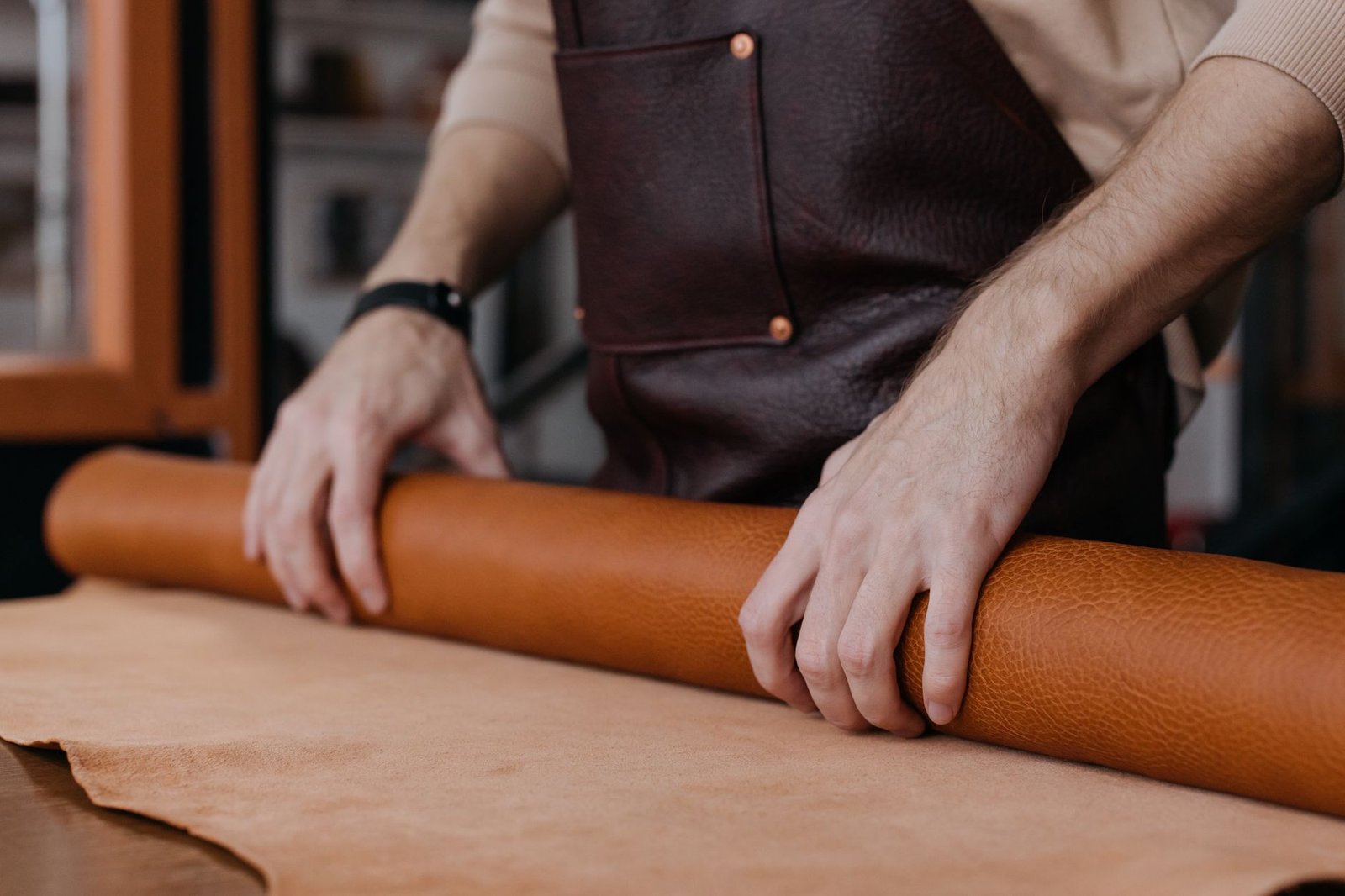
Identifying genuinely vegan leather requires careful inspection of labels and physical characteristics. First, check for explicit vegan certifications or labels from recognized organizations. These labels guarantee that no animal products or by-products were used in manufacturing. Second, examine the material’s smell and texture. High-quality vegan leathers, including advanced PU variants, often have little to no odor, whereas cheap fakes may smell strongly of plastic or chemicals. Genuine leather has a distinct, earthy scent that synthetic materials cannot fully replicate.
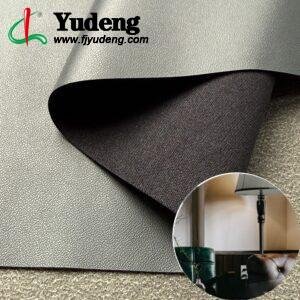
Another practical tip is to inspect the back of the material. If the item is made of pure synthetic leather, the backing will typically be a woven fabric like polyester or cotton. If there is a fibrous, rough layer that resembles raw hide, it may be split leather, indicating the product is not vegan. Additionally, look for transparency in brand sourcing. Reputable companies provide detailed information about their materials, such as specifying whether they use pineapple leaf leather, cactus leather, or polyurethane. Avoiding vague terms like “eco-leather” without further explanation is advisable. When shopping, consider products from a custom pu leather manufacturer that offers clear material specifications.
Pros and Cons of Choosing PU Leather
Choosing PU leather involves weighing several advantages and disadvantages. On the positive side, PU leather is significantly more affordable than genuine leather, making ethical fashion accessible to a broader audience. It is also easier to produce in large quantities and offers consistent quality and color options. Maintenance is simpler, as PU leather is water-resistant and easy to clean with a damp cloth. Furthermore, it is 100% vegan when made without split leather bases, aligning with ethical consumer values.
However, there are notable drawbacks. PU leather is less durable than high-quality genuine leather. Over time, the polyurethane coating can crack, peel, or wear off, especially with frequent use or exposure to extreme temperatures. It is not biodegradable, contributing to plastic waste in landfills. Additionally, some individuals find the texture and breathability of PU leather inferior to natural hide, which can affect comfort in items like shoes or jackets. The table below outlines these factors for quick reference.
| Aspect | Vantagens | Desvantagens |
|---|---|---|
| Custo | Low price, accessible | Lower resale value |
| Durabilidade | Consistent initial quality | Prone to peeling/cracking |
| Ethics | Cruelty-free, vegan | Relies on petroleum |
| Maintenance | Water-resistant, easy to clean | Cannot be conditioned like leather |
| Environment | No animal agriculture impact | Non-biodegradable plastic |
Frequently Asked Questions About Vegan Materials
Consumers frequently inquire about the care and longevity of vegan leather products. A common question is whether PU leather can be repaired. Minor scratches can often be concealed with specialized synthetic leather repair kits, but deep tears usually require professional restoration or replacement. Another query concerns the toxicity of PU leather. While some older synthetic materials contained harmful phthalates, modern PU leather is generally safer, though it remains a plastic product.
Regarding ethical certification, there is no single global standard for “vegan leather,” so third-party verification is essential. Consumers should look for certifications from bodies that audit supply chains for animal product exclusion. Additionally, questions often arise about the difference between vegan leather and plant-based leathers. Vegan leather is a broad term encompassing both synthetic plastics like PU and natural alternatives like mushroom or cactus leather. Plant-based options offer improved biodegradability but may be less durable or more expensive. Understanding these distinctions helps buyers select materials that align with their specific ethical and practical needs. For example, one might choose a Fábrica atacadista de couro PU para suporte de manequim de colar application where specific durability and cost factors are prioritized.
Summary and Critical Reflection
The classification of PU leather as vegan hinges on its specific manufacturing composition. When produced solely from synthetic polymers and fabric bases, it serves as a viable, ethical alternative to animal hide. However, the environmental trade-offs, particularly regarding plastic waste and biodegradability, necessitate a nuanced approach to consumption. Consumers must remain vigilant against greenwashing and verify material origins through transparent labeling. The future of sustainable fashion likely lies not in purely synthetic solutions, but in the integration of innovative bio-materials that combine ethical standards with environmental responsibility. Until such alternatives become mainstream, informed selection of high-quality, durable PU leather remains a responsible choice for those avoiding animal products.