 English
  Russian
  Portuguese
  Spanish
Table of contents
What is PU Leather?
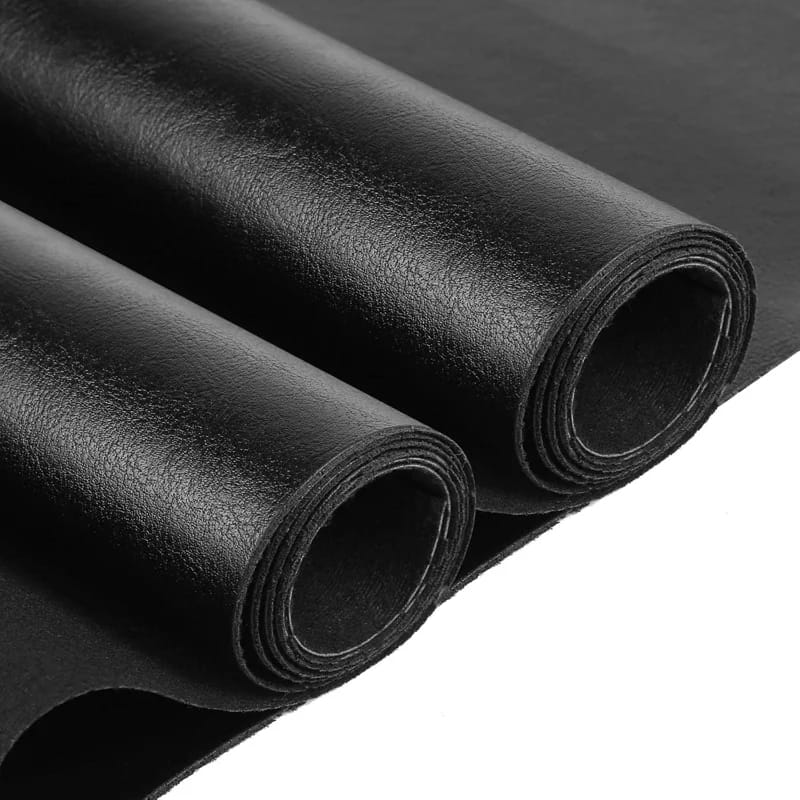
PU leather, also known as polyurethane synthetic leather, is a high-performance synthetic material. Its core manufacturing method involves coating a fabric substrate (usually polyester or cotton) with a layer of polyurethane. In this way, PU leather can simulate the texture and appearance of genuine leather while offering excellent processing performance and controllable properties. Since it does not involve any animal components, PU leather is an ideal choice for vegetarians, eco-conscious designers, and brands pursuing sustainable development.
The popularity of PU leather is not accidental. Its advantages are mainly reflected in the following aspects:
- Soft and Comfortable: The hand feel is close to genuine leather, not stiff, and delicate to touch, making it suitable for handbags, backpacks, and other bags requiring flexibility.
- Durable and Wear-Resistant: Treated for scratch resistance, it can maintain its beauty over long-term use. Compared to low-end synthetic leather, PU leather effectively resists daily abrasion, extending product lifespan.
- Good Water Resistance: The polyurethane coating provides excellent water resistance, keeping bags dry even in rain or splashes.
- Flexible Processing: Various textures and patterns can be achieved through embossing, coating, and printing, meeting the needs of personalized brand designs.
- Eco-Friendly: Compared to PVC, PU leather has lower pollution during production and is easier to recycle, aligning with modern sustainable development goals.
Typical Bag Applications of PU Leather
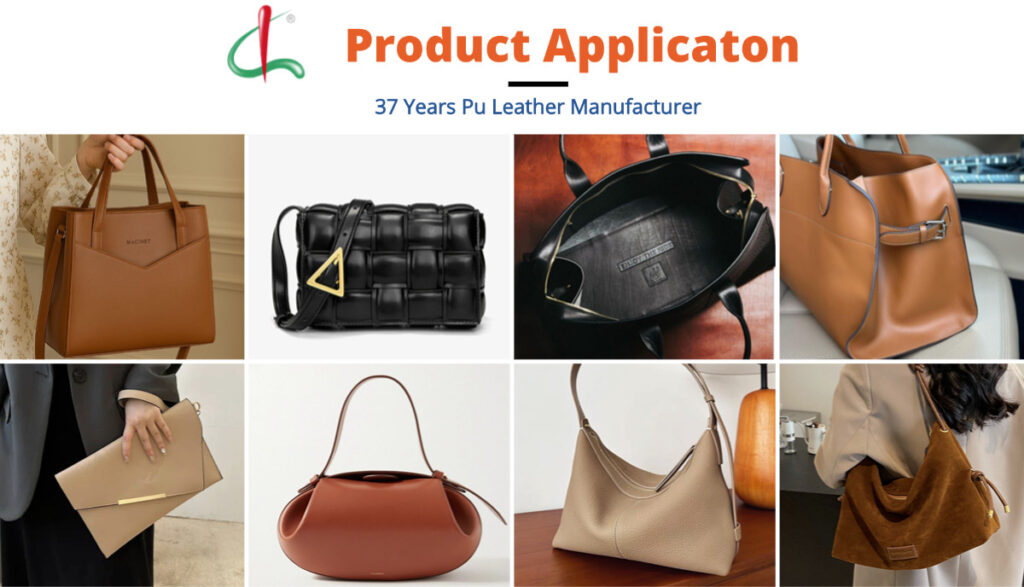
PU leather is widely used in handbags, backpacks, travel bags, wallets, laptop bags, and various fashion accessories. It combines the appearance of genuine leather with cost advantages, allowing brands to offer stylish yet affordable products. Whether for lightweight daily bags or travel luggage, PU leather meets different usage scenarios.
Overall, PU leather balances aesthetics, practicality, and cost-effectiveness, making it an indispensable material in modern bag manufacturing. By selecting the appropriate substrate, thickness, and surface treatment, manufacturers can create bags that are both visually appealing and durable.
What is Synthetic Leather?
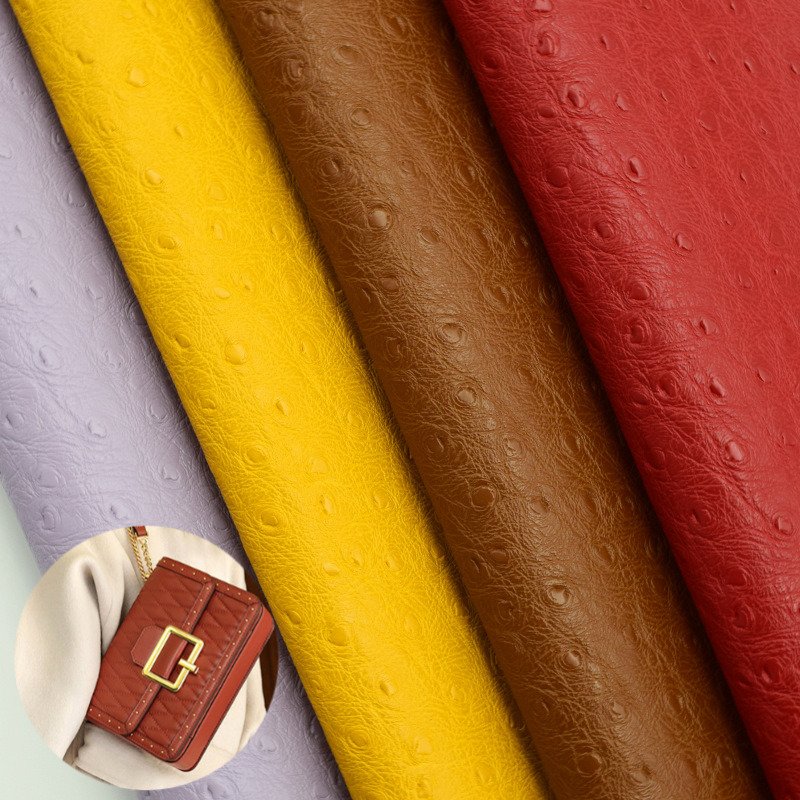
Synthetic leather (Artificial Leather / Faux Leather) refers to materials designed to mimic the appearance of genuine leather, usually made from PVC, PU, or other polymers. Synthetic leather has lower production costs and diverse color and texture options, but its feel, durability, and lifespan often fall short compared to high-quality PU leather.
Common Types of Synthetic Leather:
- PVC Synthetic Leather: Uses polyvinyl chloride as the coating material, with a shiny surface but poor breathability. Long-term use may result in cracking or aging.
- PU Synthetic Leather: Technically a type of PU leather, but lower-grade versions may have inferior thickness, substrate, or coating processes.
- Composite Synthetic Leather: Made from multiple materials, such as fabric base with PVC or PU coating, balancing appearance and cost but limited in durability.
Characteristics of Synthetic Leather:
- Low Cost: Suitable for mid- to low-end markets or budget-conscious products.
- Controllable Appearance: Various textures can be achieved through embossing or printing.
- Good Water Resistance: Especially PVC materials, but breathability is low, making prolonged use less comfortable.
- Limited Durability: Prone to cracking and hardening, not suitable for long-term use.
In bag manufacturing, synthetic leather is commonly used for decorative fabrics or lower-end products. For high-end texture, durability, and lightweight performance, PU leather is the preferred choice.
Side-by-Side Comparison: PU Leather vs Synthetic Leather
Comparing PU leather and synthetic leather across multiple dimensions helps manufacturers make informed material choices:
| Performance Dimension | PU Leather | Synthetic Leather (PVC, etc.) |
|---|---|---|
| Hand Feel | Soft, close to genuine leather, delicate | Hard, stiff, less comfortable |
| Wear Resistance | High, scratch-resistant, long-term use | Medium, prone to scratches or cracks |
| Water Resistance | Good, suitable for daily bags | Excellent, but poor breathability |
| Customizability | High, customizable textures, substrates, colors, and prints | Medium, limited texture and color options |
| Weight | Light, easy to carry | Heavier, affects portability |
| Environmental Friendliness | Higher, recyclable | Low, PVC production pollutes more |
| Price | Moderate, high cost-performance | Low, suitable for low-cost products |
It is clear that PU leather outperforms traditional synthetic leather in durability, hand feel, customizability, and environmental friendliness. For brands aiming to produce high-quality bags, PU leather is a more reliable choice.
Application of PU Leather in Bag Manufacturing
PU leather has a wide range of applications in bag manufacturing, and its advantages extend beyond material properties to flexible processing techniques:
- Backpacks and Handbags: PU leather is lightweight and wear-resistant, suitable for daily use. Embossing, printing, and coating can achieve various texture effects.
- Travel Bags and Luggage: Its water resistance and durability make PU leather ideal for travel bags and luggage, keeping the material intact under friction and compression.
- Small Accessories: PU leather can enhance the premium feel of wallets, cardholders, and key pouches through customized textures and colors.
Material Selection Recommendations:
- Thickness: Impacts wear resistance and support, chosen according to product usage.
- Substrate: Polyester, cotton, or blended fabrics adjust softness and durability.
- Surface Texture: Embossing, 3D patterns, or simulated leather textures enhance visual appeal.
- Color and Print: Heat transfer, screen printing, or spraying enables personalized designs.
By selecting the appropriate PU leather type and processing method, manufacturers can produce high-quality bags that are both durable and aesthetically pleasing.
Using PU Leather to Create High-Quality Bags: Yudeng’s Professional Custom Solutions
- Texture and Substrate Customization: Yudeng provides a variety of PU leather textures and substrates, customizable according to bag design requirements. Options include grain textures, embossed patterns, and smooth finishes, as well as polyester, cotton, or blended substrates, balancing softness and support.
- Color and Print Customization: Supports heat transfer, screen printing, and spraying processes to achieve brand-specific colors and patterns. Large-scale production ensures color consistency while also accommodating limited editions or personalized needs.
- Sample Prototyping and Production Assurance: Yudeng offers fast sample prototyping, allowing designers and manufacturers to validate designs in a short time. Stable production capacity supports small to large batch manufacturing, ensuring reliable delivery times.
- Quality Control System: All PU leather products undergo strict testing, including wear resistance, water resistance, and tear resistance, and comply with ISO and other international certification systems, ensuring material and product reliability.
- Practical Operational Advice: When selecting PU leather for bags, consider the purpose, target users, and usage scenarios to choose the appropriate thickness, texture, and substrate. Partnering with Yudeng, a professional pu material supplier and pu leather supplier, maximizes PU leather’s potential and enhances bag quality and market competitiveness.
| Start Your order | Email: hello@fjyudeng.com | Number:+86 17746077007 |
In conclusion, PU leather has clear advantages in bag manufacturing: soft and comfortable, wear-resistant and waterproof, lightweight, easy to process, and environmentally friendly. Compared to traditional synthetic leather, PU leather is better suited for high-quality, personalized, and sustainable bag products.
Choosing a professional pu material supplier and pu leather supplier, such as Yudeng, not only ensures access to high-quality materials but also allows for texture, substrate, color, and print customization, achieving differentiation and a premium feel. Whether it is daily backpacks, handbags, or travel luggage, leveraging PU leather’s properties with Yudeng’s professional custom services can create bags that are beautiful, durable, and practical.
For manufacturers and brands, combining PU leather with Yudeng’s custom solutions is an ideal way to enhance market competitiveness and brand value.