Russian
  English
  Spanish
  Portuguese
  Arabic
  Indonesian
  Japanese
  Korean
  Turkish
Abstract
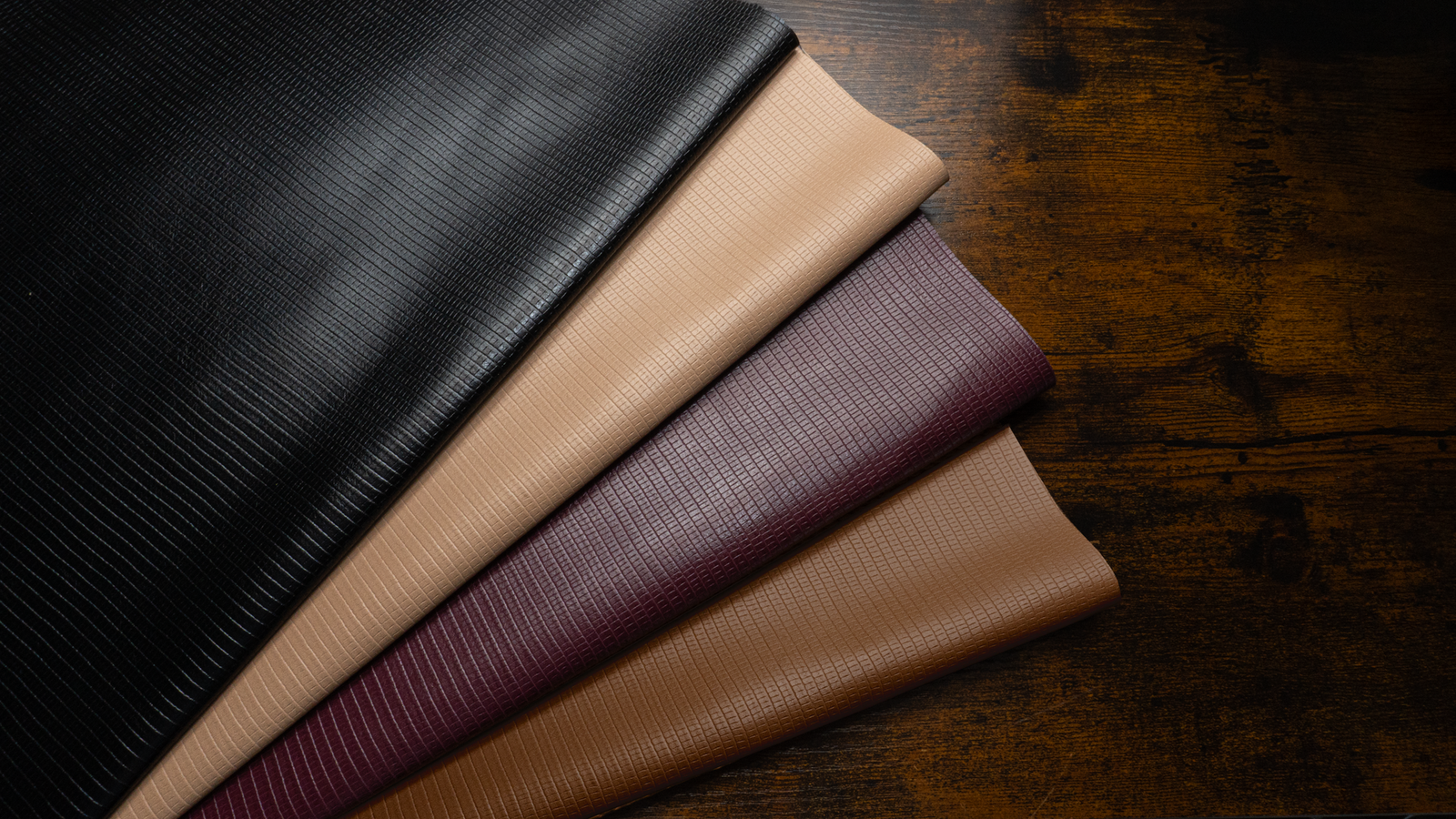
Искусственная кожа PU provides moderate durability, and it typically lasts two to five years before showing visible wear. If the leather used is of a specially processed type, it is quite common for its lifespan to exceed five years. (e.g. Water-resistant degradation process, color fastness enhancement process, siliconization treatment for wear resistance process, etc.) This material handles daily tasks well when people follow basic care rules. Environmental heat and constant friction speed up surface breakdown. Buyers should expect regular replacement cycles for heavy use items. Proper cleaning routines extend functional life and improve return on investment.
Оглавление
- What Exactly Is PU Leather?
- Key Factors That Influence Durability
- Typical Lifespan Across Common Applications
- Сравнение с натуральной кожей
- Early Warning Signs of Degradation
- Effective Cleaning and Care Routine
- Quality Identification Checkpoints
- Replacement Thresholds and Decision Matrix
What Exactly Is PU Leather?
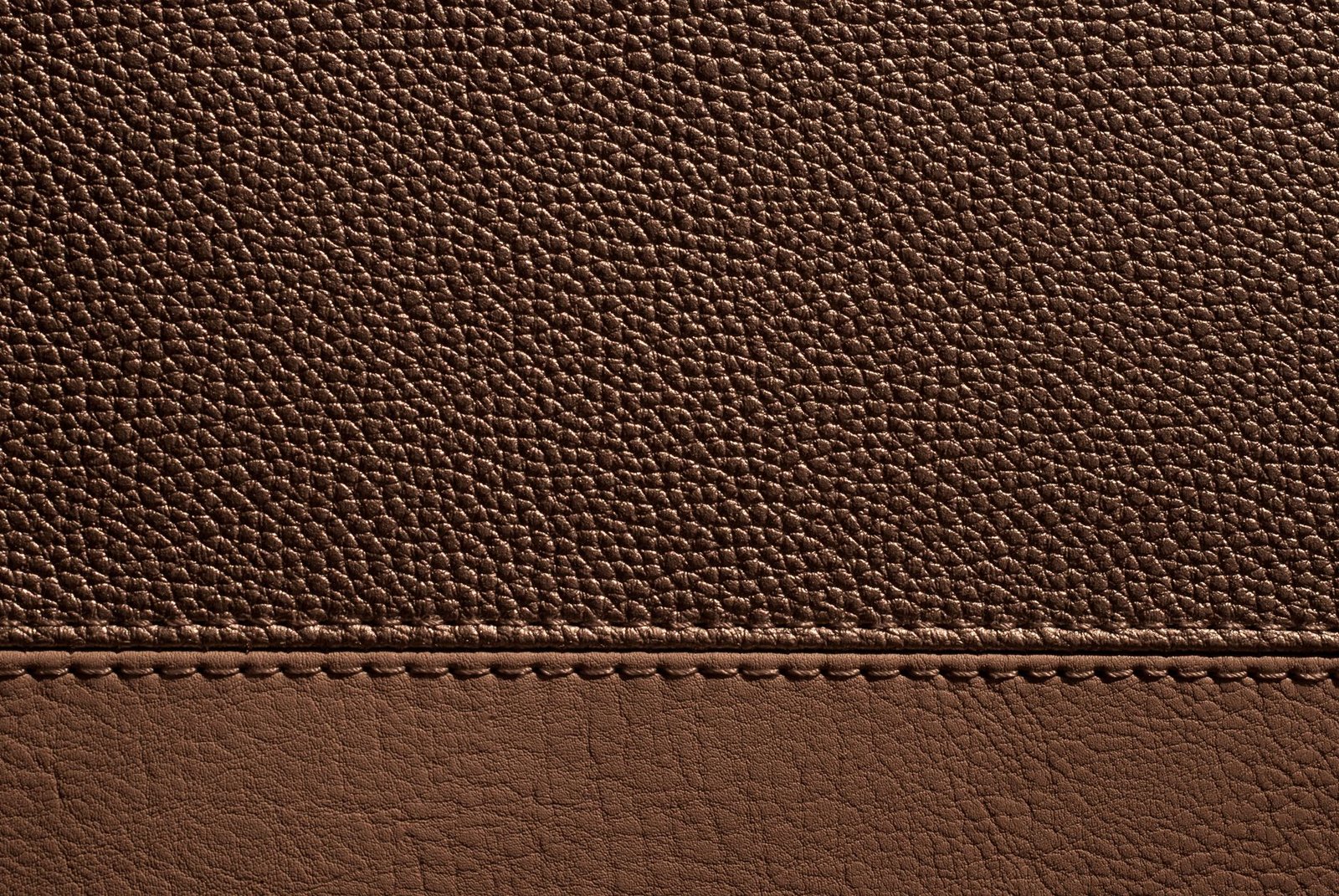
Factories build this material with a simple layered design. Workers first select a base fabric like cotton, nylon, or vinyl. They then apply a liquid plastic mixture called polyurethane across the fabric surface (Chairoffice UK). The plastic dries into a smooth, uniform sheet. Makers stamp embossed patterns into the wet coating to copy the look of animal hide. This chemical layer sits on top of the cloth backbone. The bonded structure gives the product its shape and feel. Some producers also mix leftover leather scraps with a plastic top coat. They call this hybrid version bicast material (BTOD). Understanding this basic makeup explains why the surface behaves differently than natural skin during long term use. The plastic top protects the cloth underneath but also limits breathability. Buyers know upfront that they trade natural airflow for easier cleaning and lower prices.
Manufacturing teams control several variables during production. They measure coating weight to keep sheets flat and consistent. Factory lines run at steady speeds to ensure even drying. Quality inspectors cut small samples and pull them apart to test bond strength. Strong adhesives keep the plastic layer from lifting off the fabric. Weak glue leads to early peeling. The layered approach also allows brands to offer many colors without dyeing whole animal hides. This method reduces chemical waste during finishing. Consumers choose this option for homes and offices because it resists stains and wipes clean fast.
Key Factors That Influence Durability
Production choices directly control how long the material survives daily stress. Engineers track four main elements before shipping goods to customers.
- Base Fabric Density: Tightly woven polyester backs hold up better than loose cotton sheets. Dense cloth distributes pressure evenly across wide surfaces.
- Polymer Grade: Industrial formulas contain UV stabilizers and anti scratch agents. Consumer grades skip these additives to cut costs.
- Coating Weight: Thicker plastic films resist scuffs longer. Thin layers wear through quickly under heavy friction.
- Lamination Process: Hot rollers press the plastic onto the cloth at exact temperatures. Even heat prevents air bubbles that cause bubble formation and early split.
Storage environments also change how fast the material breaks down. High humidity traps moisture inside the layers. Direct sun rays fry the polymer chains. Factory managers in Florida record faster surface cracking during summer months (Sino Comfort). Buyers should check product specs for coating thickness before placing orders. Simple visual tests reveal good bonds. Smooth edges and flat surfaces signal careful factory work. Rough borders often mean rushed cutting. Proper selection avoids cheap failures and saves money over time.
Typical Lifespan Across Common Applications
Different jobs expose the material to unique stress levels. Daily activities determine when replacement arrives. Market reports group common uses into clear time bands.
| Product Type | Expected Life Range | Main Stress Cause |
|---|---|---|
| Office Chairs | 2 to 4 years | Constant sitting friction and body weight |
| Home Sofas | 3 to 5 years | Daily lounging and cushion compression |
| Автокресла | 3 to 5 years | Heat buildup and sun exposure |
| Сумки | 2 to 4 years | Bending straps and pocket scraping |
Heavy duty use cuts these numbers in half. A warehouse in Atlanta installed fifty synthetic work stools in June 2020. Staff used them daily for tool changes. By August 2022, forty two stools showed deep surface cracks (Stamps Home Furniture). Outdoor patio furniture faces even shorter cycles because rain and ultraviolet light break down plastic bonds fast. Retail managers learn to set replacement budgets early. Knowing exact use cases stops surprise spending. Buying items meant for light daily use extends actual service time. Matching product grade to job type prevents early failure.
Сравнение с натуральной кожей
Natural hides and plastic sheets follow totally different aging paths. Buyers notice clear differences after one to three years of care.
- Aging Behavior: Real hides soften and gain darker tones over decades. Plastic sheets stay shiny until sudden surface cracks appear.
- Flex Recovery: Animal skin stretches and snaps back naturally. Plastic coatings bend until they hit a breaking point. Sudden folds create permanent white marks.
- Tear Strength: Full grain hides resist cuts because fibers run through the whole thickness. Plastic layers sit on weak cloth. Once the top film splits, the cloth offers no backup support.
Long term records show that top quality hides easily pass the twenty year mark with basic conditioning (eLeather Hub). Synthetic pieces rarely survive past five years without visible damage. Consumer groups test both types side by side. They apply equal dirt, heat, and rubbing cycles. The plastic sheets lose color and texture much faster. Natural oils in animal skin keep fibers soft and flexible. Plastic needs external sprays to stay supple. These sprays wear off quickly. Buyers should weigh upfront savings against future replacement costs. Long storage projects often favor natural hides. Short term rentals usually pick plastic for easy cleanup.
Early Warning Signs of Degradation
Staff members can spot material trouble weeks before total failure. Quick checks catch problems early and stop messy breakdowns.
- Surface Flaking: Small plastic chips peel off near arms and seams. Fingers catch on rough spots.
- Color Shifts: Sun patches turn yellow. Dark seats fade to gray in high traffic zones.
- Stiff Corners: Folded areas lose bend ability. Sharp bends cause instant hairline splits.
- Layer Separation: Pressing near edges reveals hollow gaps. The top sheet lifts from the cloth base.
Health workers track air quality drops in rooms with failing plastic furniture. Office supervisors in New York logged sharp smell complaints in older cubicle chairs during winter heating season (Manuel Dreesmann). A quick nose test catches volatile fumes early. Visual scans should focus on seat edges and strap joints. Sticky residues signal chemical breakdown. Peeling starts at contact points first. Staff should pull items out of rotation immediately. Keeping broken pieces in use spreads plastic shards across floors and seats. Daily walk through rounds catch issues fast. Tagging damaged gear stops accidental reuse and keeps safety standards high.
Effective Cleaning and Care Routine for Synthetic Leather
Standard maintenance slows breakdown and keeps surfaces looking fresh. Janitorial teams follow a fixed weekly schedule.
- Dust Wiping: Use dry cotton cloths daily. Loose dirt acts like sandpaper during normal use.
- Soap Wash: Mix warm water with neutral dish soap weekly. Dampen a soft sponge. Rub stains in gentle circles. Rinse with clean water. Air dry fully before next use.
- Protectant Spray: Apply approved plastic conditioners monthly. Skip oil based creams that melt plastic bonds.
- Position Control: Move items away from hot radiators and glass windows. Shade reduces UV damage by half.
Facility directors track cleaning logs to prove maintenance value. Housekeeping lead Sarah Chen at a Boston college changed their monthly spray routine in February 2024. Her team recorded a thirty two percent drop in chair replacements over the next eight months (TopSun Silicone Leather). Training sessions teach staff to blot spills fast. Blotting stops liquid from seeping under the plastic film. Scrubbing force damages embossed grain. Soft bristle brushes remove dust from deep cuts. Never use ammonia or alcohol cleaners on plastic sheets. These chemicals strip the protective top coat instantly. Water based wipes leave no residue. Simple habits preserve factory finish for years.

Quality Identification Checkpoints
Buying managers test samples before signing factory contracts. Physical checks reveal true build standards.
- Thumb Press Test: Push firmly into the surface. Good sheets spring back fast. Bad sheets stay indented.
- Bend Roll Test: Curve material around a tube. Quality plastic stretches without white stress lines.
- Seam Pull Check: Yank stitching gently. Tight threads signal strong factory machines.
- Label Review: Read care tags for chemical warnings. Clear codes show honest sourcing.
Shoppers in Seattle compare three fabric swatches side by side. They rate smell, feel, and bend response (Quora Discussion). Premium sheets carry mild factory scent. Cheap copies dump strong plastic odor. Thick backing feels solid against nails. Thin backing bends too easily. Warranty cards matter too. One year covers basic defects. Three year cards prove high build trust. Buyers should ask for lab tear reports. Numbers above eighty pounds of force pass most home tests. Low force numbers signal weak glue. Document review prevents surprise returns. Smart sourcing builds reliable inventory pools.
Replacement Thresholds and Decision Matrix
Operations teams set clear lines for item retirement. Rules stop guesswork and keep spaces safe.
- Surface Loss Rule: Pull items when ten percent of coating disappears. Bare cloth hurts skin and looks messy.
- Shape Memory Rule: Replace seats that stay bent. Sagging supports cause back strain.
- Smell Rule: Discard pieces that stink in closed rooms. Chemical clouds harm respiratory health.
- Visual Rule: Swap faded panels in client areas. Gray coats signal poor upkeep.
Supply clerks log degradation dates to plan future buys. Warehouse officer Mark Torres at a Dallas shipping center checked two hundred plastic cargo sleeves on September 15, 2022 (Unique Leather Bags). He marked fourteen sleeves for immediate swap. Corner tears blocked zip locks. The team ordered fresh stock the same week. Planned upgrades cost thirty percent less than rush orders. Budget planners track quarterly loss rates. They add ten percent buffer for seasonal wear. Consistent replacement schedules keep workspaces neat. Old gear drags down team morale. Fresh items boost focus and safety. Simple tracking sheets guide smart buying cycles.
Final Assessment
The working life of Polyurethane Material stays tied to plastic chemistry limits. Modern factory methods improve initial smoothness and color spread. Heat, rubbing, and sun light still break polymer bonds over time. Smart buyers treat this material as a short term tool rather than a long term heirloom. Regular wiping and shade placement stretch service periods. Eventually, surface flaking or stiff folds force retirement. Project planning matches material choices to exact job demands. Light desk tasks suit thicker coatings. Heavy outdoor jobs demand frequent swaps. Tracking wear dates builds accurate buying calendars. Future research focuses on plant based plastic blends that soften like skin. Until labs mass produce fully rotatable polymer sheets, customers must balance low price against expected use months. Clear care habits and firm replacement rules turn temporary fabric use into steady operational savings.