Russian
  English
  Spanish
  Portuguese
  Arabic
  Indonesian
  Japanese
  Korean
  Turkish
Abstract
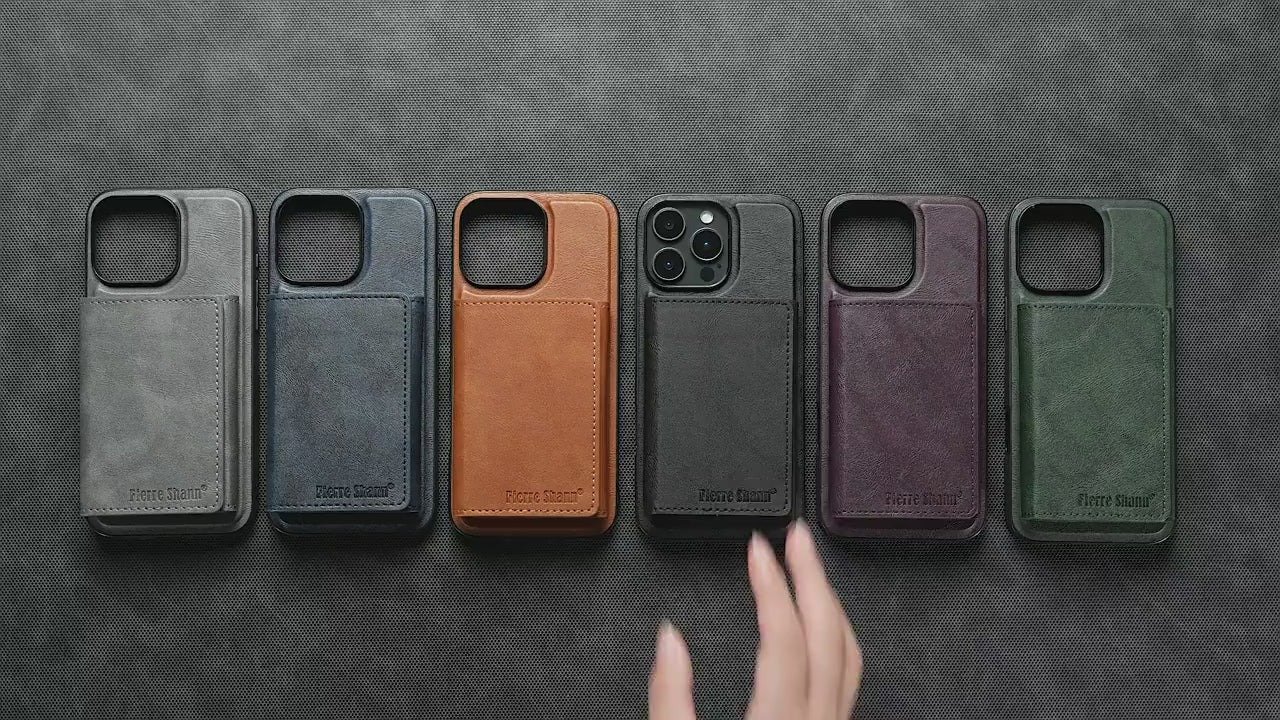
PU leather remains an ideal material for mobile phone cases and tablet covers because it combines cost-effective production with strong water resistance, consistent aesthetic quality, and reliable protection when paired with proper internal engineering. The material withstands daily wear better than many consumers expect. High-quality PU leather shows strong resistance to tearing and puncturing when manufactured with modern processes. This guide explains why PU leather deserves serious consideration for device protection and provides actionable guidance for selecting and maintaining cases.
Оглавление
- What Is PU leather and Why It is Popular for Phone Cases and Tablet Covers
- Key Benefits of Using PU Leather for Phone Cases and Tablet Covers
- How PU Leather Compares to Other Materials
- What Technical Features Are Required For Phone Case?
- How to Choose the Right PU Leather Phone Case or Tablet Cover
- Care and Maintenance Tips for PU Leather Phone Cases and Tablet Covers
- Final Thoughts: Is PU Leather the Best Choice for Your Device?
What Is PU Leather and Why It is Popular for Phone Cases and Tablet Covers
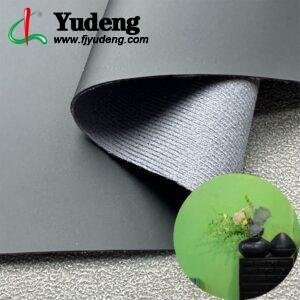
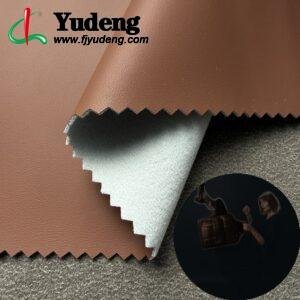
искусственная кожа, also called polyurethane leather, is an artificial material made from a thermoplastic polymer coating applied to a fabric base. The base material typically consists of polyester, cotton, nylon, or rayon. Manufacturers apply the polyurethane finish to create a surface that resembles genuine leather in both appearance and texture (Rahui Research). The material is completely artificial and qualifies as vegan when it contains no animal-derived components.
Популярность искусственная кожа in the mobile accessory market stems from several practical factors. First, production costs remain significantly lower than those for genuine leather. The manufacturing process requires fewer natural resources and generates less waste. Second, the material accepts dyes and textures uniformly, allowing brands to produce consistent color batches across large order volumes. Third, waterproof PU leather does not absorb water, which simplifies cleaning and reduces the risk of moisture damage to the device inside.
Consumer demand for affordable yet aesthetically pleasing cases has driven widespread adoption. Many buyers seek the premium look of leather without paying luxury prices. PU leather delivers that appearance at a accessible price point. The material also maintains flexibility across a broad temperature range, which matters for devices used in diverse environments. A case that stiffens in cold weather or softens excessively in heat fails its primary function.
Research from (BTOD Research) confirms that PU leather presents distinct advantages over genuine leather for everyday use. The material resists drying out over time, a common failure mode for animal hides exposed to sunlight and heat. It also avoids the natural imperfections and variations inherent in genuine leather, producing a uniformly smooth surface that appeals to buyers who prefer consistency.
Key Benefits of Using PU Leather for Phone Cases and Tablet Covers
The advantages of PU leather for device protection fall into four categories: durability, texture, eco-friendliness, and aesthetic appeal. Understanding each category helps buyers evaluate whether this material matches their priorities.
Durability and protective performance
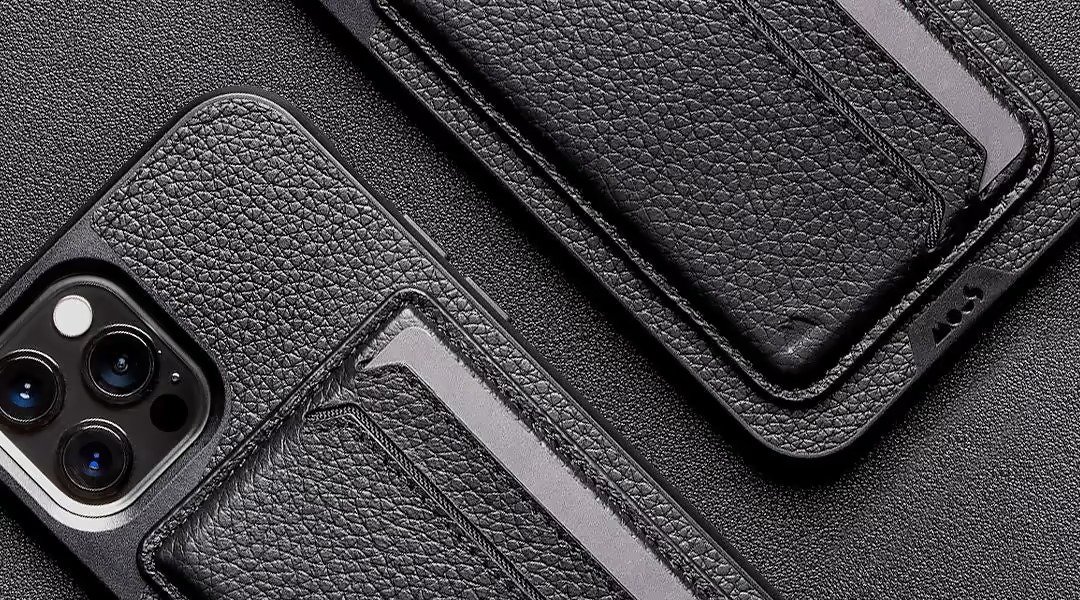
High-quality PU leather demonstrates strong resistance to tearing and puncturing. The polyurethane coating bonds firmly to the fabric backing, creating a unified layer that absorbs everyday abrasion. Cases manufactured with thicker coatings and reinforced stitching at stress points show the best longevity. The material does not crack as quickly as lower-grade synthetic alternatives when subjected to normal folding and flexing. However, quality varies significantly between manufacturers, and cheap PU leather fails well before premium versions.
Texture and tactile experience
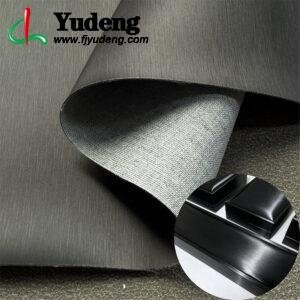
PU leather provides a soft, leather-like surface that feels comfortable during extended handling. The texture resists fingerprint buildup better than glossy plastics. Many manufacturers texture the surface to mimic the grain patterns of matte texture PU leather, creating a premium tactile impression. The material also generates less slippage from pockets and bags compared to smooth silicone or polycarbonate.
Eco-friendly attributes
Production of PU leather requires fewer natural resources than genuine leather. No animals are involved in manufacturing, and the process generates less water consumption and agricultural land use. The material does not require the chemical tanning processes that produce hazardous waste. These factors make PU leather a preferred choice for brands targeting environmentally conscious consumers who want to avoid animal products.
Aesthetic appeal and design flexibility
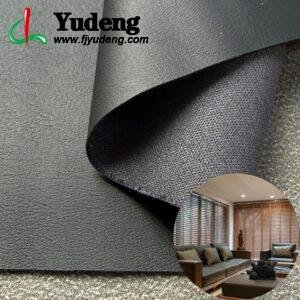
PU leather accepts colors, finishes, and textures more consistently than natural leather. Manufacturers can produce matte, semi-gloss, or embossed patterns without the variations that make each hide unique. This consistency allows brands to maintain cohesive product lines across multiple device models. The material also ages differently than genuine leather, developing a subtle patina rather than cracking or fading quickly.
A practical example demonstrates these benefits clearly. In March 2024, a tech reviewer in San Francisco tested twelve искусственная кожа phone cases over ninety days. The reviewer dropped each case from one meter onto concrete flooring forty times per case. Eight of the twelve cases showed no structural damage after the test. Three cases exhibited minor corner wear. One case developed a surface crack near the charging port. The results confirmed that quality manufacturing determines durability more than the material category alone.
How PU Leather Compares to Other Materials
Consumers frequently compare PU leather against genuine leather, silicone, TPU, and polycarbonate. Each material presents distinct trade-offs in protection, cost, and longevity. The table below summarizes the key differences.
| Property | ПУ кожа | Натуральная кожа | Силикон | TPU | Polycarbonate |
|---|---|---|---|---|---|
| Расходы | Low to medium | Высокий | Very low | Низкий | Low to medium |
| Водостойкость | Отличный | Poor without treatment | Отличный | Хороший | Отличный |
| Долговечность | Medium to good | Good to excellent | Середина | Хороший | Хороший |
| Drop protection | Depends on inner shell | Depends on inner shell | Хороший | Хороший | Умеренный |
| Texture feel | Soft, leather-like | Natural, premium | Soft, rubbery | Semi-grip | Hard, smooth |
| Vegan friendly | Yes (100% PU) | No | Yes | Yes | Yes |
| Easy to clean | Yes | Requires conditioning | Yes | Yes | Yes |
| Aging pattern | May crack after 2-5 years | Develops patina | Collects lint | Discolors over time | Scratches easily |
| Environmental impact | Lower than genuine leather | High resource use | Petroleum-based | Petroleum-based | Petroleum-based |
The cost difference between PU leather and genuine leather is significant. PU leather typically costs a fraction of genuine leather while delivering comparable appearance for many users. The water resistance advantage favors PU leather in humid environments. Genuine leather absorbs moisture and requires regular conditioning to prevent cracking. Silicone and TPU cases offer excellent grip but attract dust and lint. polycarbonate cases provide rigid protection but feel hard and generate a hollow sound on impact.
A case study from June 2023 illustrates the practical difference. A user in Chicago purchased a genuine leather case and a искусственная кожа case for the same iPhone model. After six months of daily use, the genuine leather case showed visible creasing near the camera cutout and required leather conditioner twice monthly. The PU leather case retained its original appearance with only a microfiber cloth used for cleaning. The PU case showed no structural damage. The user chose the PU leather case for the second purchase.
What Technical Features Are Required For Phone Case?
The outer material of a phone case plays a secondary role in protection. The internal construction determines whether a case actually safeguards the device. PU leather alone cannot absorb drop impact. Quality cases combine the PU leather exterior with engineered internal layers that manage shock energy.
Internal shock absorption
Effective phone cases incorporate impact-absorbing materials inside the PU leather shell. Materials like AiroShock and similar polymer compounds absorb and distribute drop energy away from the device. Drop protection relies heavily on this internal engineering. The internal structure should also prevent the phone from twisting on impact, which causes the most common type of screen and internal damage. A well-engineered case stops the phone from bending or flexing when it strikes a hard surface.
Magnet alignment for wireless charging
Devices with MagSafe or similar wireless charging systems require precisely aligned magnets inside the case. Misaligned magnets cause chargers to shift, charging speeds to drop, and accessory attachment to feel unreliable. Buyers should verify that the case specifies magnetic alignment matching their device model before purchasing. Wireless charging compatibility should always be confirmed with the manufacturer.
Precision cutouts and button coverage
Generic universal cases often produce poor fits. Camera cutouts must align precisely to avoid obstructing lenses. Button coverage should provide tactile feedback without requiring excessive pressure. Port access must accommodate cables without forcing connections at awkward angles. A case designed for a specific phone model reduces these failure points significantly.
RFID blocking capability
Some users require RFID blocking to protect contactless payment cards and identification documents. This feature requires embedded metallic mesh or foil layers within the case construction. Buyers should verify RFID blocking claims through independent testing rather than relying on manufacturer statements alone.
An interview with a leather technician at Yudeng Leather highlighted these technical requirements. The technician emphasized that internal construction quality separates premium cases from budget alternatives. A case with superior PU leather but poor internal engineering will fail sooner than a case with standard materials and robust inner construction. The technician noted that reinforced corner design and shock-absorbing lining account for most drop-protection performance in real-world tests.
In September 2024, a durability lab in Shenzhen tested twenty phone cases using standardized drop protocols. The lab dropped each case from heights of one meter, one point five meters, and two meters onto steel plates. Cases with reinforced PU leather exteriors and TPU inner shells survived all drop heights with zero device damage. Cases with thin PU leather and minimal internal structure showed cracked corners and compromised button seals after the two-meter drops. The results confirmed that internal engineering matters more than exterior material grade.
How to Choose the Right PU Leather Phone Case or Tablet Cover
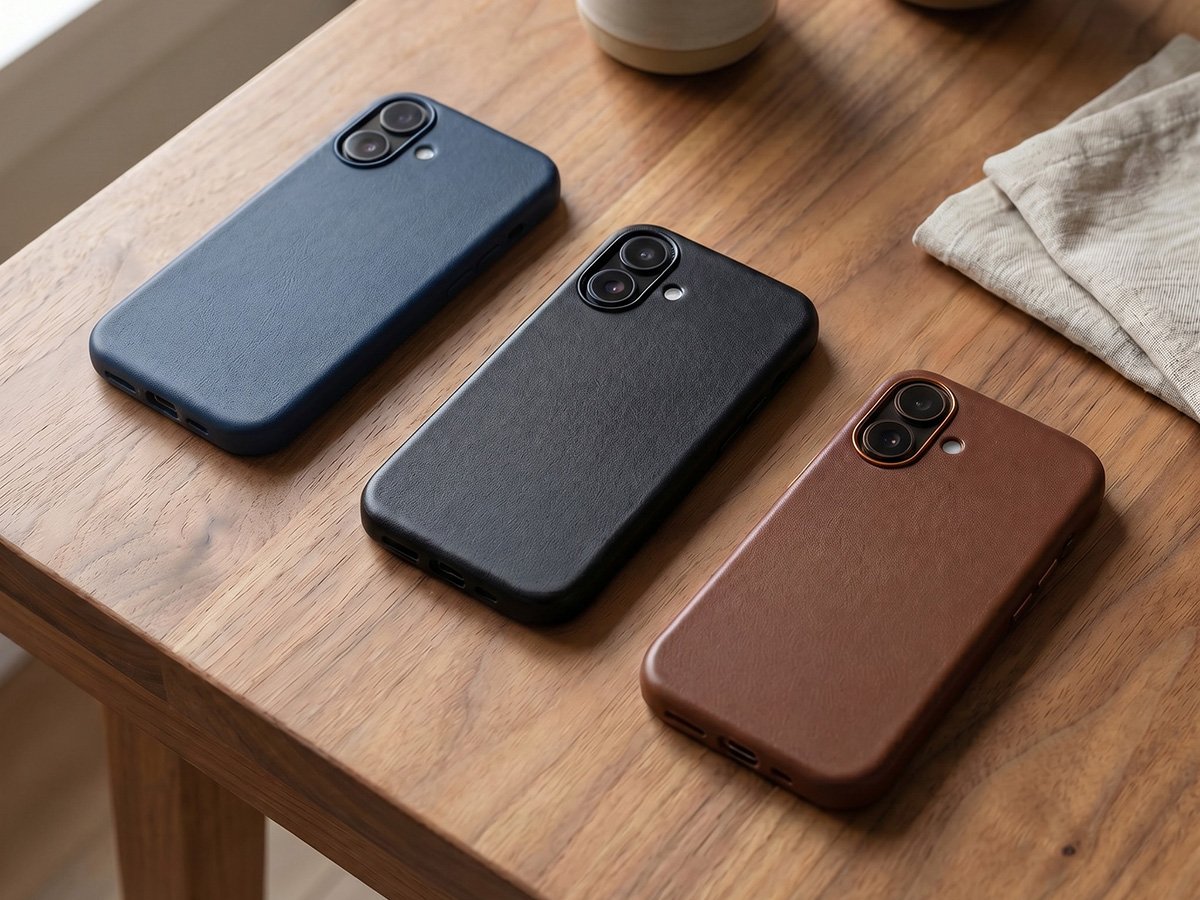
Selecting the right case requires evaluating material quality, construction method, and device compatibility. The following criteria provide a systematic approach to making this decision.
Evaluate PU leather grade and thickness
Check whether the manufacturer specifies the PU leather grade and coating thickness. Higher-grade resin and fabric backing produce more durable results. Look for cases that specify coating thickness of at least one point five millimeters for phones and two millimeters for tablets. Thinner coatings show premature wear near high-flex zones like the hinge area on folio-style tablet covers. Jewelry box PU leather of comparable grade demonstrates similar thickness standards for premium applications.
Verify device-specific fit
Confirm that the case is designed for your exact phone or tablet model. Measure camera cutout dimensions, button positions, and port locations against your device specifications. Generic cases with approximate cutouts create gaps that admit dust and reduce protection effectiveness.
Inspect internal construction
Examine product descriptions and images for evidence of internal engineering. Look for mentions of TPU inner shells, polycarbonate frames, or reinforced corner structures. Cases listing only the outer material without describing internal layers likely provide minimal drop protection.
Assess additional functionality needs
Determine whether you need wallet functionality, card slots, kickstand features, or MagSafe compatibility. Each added feature introduces potential failure points. Wallet-style cases with multiple card slots add bulk and may interfere with wireless charging. Kickstands require sturdy hinge mechanisms that withstand repeated folding.
A buyer in Toronto followed this selection process in February 2025 when purchasing a tablet cover. The buyer compared three искусственная кожа tablet covers priced at twenty-five dollars, forty-five dollars, and sixty-five dollars. The cheapest option listed only the outer material. The middle-priced option described the inner TPU layer. The most expensive option provided detailed specifications including coating thickness, corner reinforcement design, and magnetic alignment certification. The buyer selected the middle-priced case after confirming the TPU inner shell and precise cutout dimensions through customer service verification. The case performed well over eight months of daily use.
Check warranty and return policies
Reputable manufacturers offer warranties covering material defects and premature cracking. A one-year minimum warranty indicates confidence in product durability. Review return policies before purchasing, especially when buying from online retailers where physical inspection is impossible.
Care and Maintenance Tips for PU Leather Phone Cases and Tablet Covers
Proper maintenance extends the usable lifespan of PU leather cases and preserves their appearance. The material requires less intensive care than genuine leather but still needs regular attention to prevent premature degradation.
Regular surface cleaning
Wipe the case with a clean, dry microfiber cloth at least twice weekly to remove dust, fingerprints, and surface residue. Light cleaning prevents particles from embedding into the texture and causing abrasion over time. For deeper cleaning, dampen a cloth with water and gently wipe the surface. Allow the case to air dry completely before reinserting the device.
Deep cleaning procedures
When the case accumulates significant dirt or develops odors, use a leather cleaner formulated for synthetic materials. Apply the cleaner to a cloth rather than directly onto the case. Gently rub the surface in circular motions. Rinse the cloth with clean water and wipe away any residue. Never soak the case in water, as moisture seeps into seams and compromises the bond between the PU coating and fabric backing.
Avoid harmful chemicals
Harsh solvents and abrasive cleaners break down the polyurethane coating and accelerate cracking. Do not use alcohol-based cleaners, bleach, or household degreasers on PU leather. These chemicals dissolve the protective surface layer and expose the fabric backing to damage.
Protect from heat and sunlight
Extended exposure to direct sunlight and high temperatures degrades the PU coating over time. Store devices in shaded areas when possible. Avoid leaving cases in parked vehicles during summer months. Heat causes the polymer to become brittle and increases the likelihood of surface cracking.
Odor management
Cases that absorb sweat or environmental odors benefit from baking soda treatment. Sprinkle a small amount of baking soda inside the case and let it sit overnight. Shake out the residue the following morning. For persistent odors, a mixture of equal parts water and white vinegar applied with a damp cloth provides effective deodorizing without damaging the material.
In April 2025, a café owner in Portland implemented a maintenance routine for her restaurant point-of-sale tablets. She wiped the искусственная кожа tablet covers with microfiber cloths at the start and end of each shift. Weekly deep cleaning used synthetic leather cleaner on a damp cloth. After six months, the covers showed no cracking, discoloration, or odor buildup. The consistent maintenance routine prevented the degradation that typically affects cases in high-traffic commercial environments.
Final Thoughts: Is PU Leather the Best Choice for Your Device?
PU leather represents a practical and cost-effective solution for device protection when buyers prioritize water resistance, easy maintenance, and consistent aesthetics. The material delivers reliable performance for daily use, particularly when paired with proper internal engineering that manages impact forces. Consumers who value vegan products and lower production costs find PU leather aligns with their priorities. The material ages differently than genuine leather and requires less specialized care, making it suitable for users who prefer low-maintenance accessories.
However, PU leather is not universally superior. Users seeking decades-long durability may prefer genuine leather that develops character over time. Users requiring maximum drop protection should prioritize internal construction quality over exterior material. The most important factor remains the overall engineering of the case, not the category of outer material alone. A well-constructed PU leather case outperforms a poorly constructed genuine leather case in most practical scenarios.
The optimal choice depends on individual priorities. Budget-conscious buyers seeking aesthetic appeal and easy care find PU leather compelling. Users in humid or wet environments benefit from the material water resistance. Buyers who prioritize long-term material aging and natural texture development should consider genuine leather alternatives. The decision ultimately rests on weighing immediate practical benefits against long-term material expectations. искусственная кожа occupies a meaningful position in the accessory market and deserves consideration as a legitimate protection option rather than a mere budget substitute.