Arabic
  English
  Spanish
  Portuguese
  Indonesian
  Japanese
  Korean
  Turkish
  Russian
خلاصة
Stain-Proof PU Synthetic Leather is a polyurethane-coated synthetic material engineered with a surface treatment that actively repels liquid spills. When wine or coffee lands on its surface, the treatment creates a barrier that prevents absorption. The liquid remains on top and can be removed with plain water and a cloth. This capability transforms a material once prone to staining into a practical choice for high-traffic furniture and upholstery applications.
جدول المحتويات
- What Is Stain-Proof PU Synthetic Leather?
- How the Stain-Proof Technology Works
- Wiping Away Common Stains: Wine, Coffee, and More
- Pros and Cons: What Manufacturer Yudeng Says About Stain-Proof Synthetic Leather
- How to Clean and Maintain Your Stain-Proof PU Leather
- Best Applications: Furniture, Upholstery, and More
- Why Choose Stain-Proof PU Synthetic Leather Over Other Options
- Where to Buy and Get a Free Sample from Yudeng
What Is Stain-Proof PU Synthetic Leather?
Polyurethane leather, commonly called PU leather, is a synthetic substitute for genuine leather. It forms by applying a polyurethane layer over a base fabric, usually polyester or cotton (Von Baer). The result is a smooth material that looks and feels similar to real leather but contains no animal products. Regular PU leather has pores, and those pores make it absorbent. Stains penetrate easily into the material (Von Baer).
Stain-Proof PU Synthetic Leather changes that weakness. Manufacturers apply a specialized surface treatment to the polyurethane layer. This treatment fills or seals the pores and creates a hydrophobic and oleophobic barrier. Liquids no longer soak in. The material keeps the soft hand feel and visual appeal of standard PU leather while gaining resistance to common spills. It remains fully synthetic and vegan, which appeals to manufacturers who need compliance with cruelty-free product claims.
The base construction stays the same. A fabric backing provides strength. A polyurethane coating gives flexibility and texture. The stain-proof layer sits on top. This layered approach means the material does not lose the properties that make PU leather useful in the first place. It adds one critical function: protection against stains.
How the Stain-Proof Technology Works
The science behind stain resistance comes from surface chemistry. Manufacturers use one of two main approaches. The first approach coats the surface with a polymer solution that bonds to the polyurethane layer. This coating creates a physical barrier that liquids cannot cross. The second approach uses fluoropolymer-based treatments that lower the surface energy of the material. When surface energy drops below the surface tension of a liquid, the liquid beads up instead of spreading and soaking in.
Research on similar stain-proof technologies shows that effective treatments penetrate into the pores and bond permanently without blocking them (Dry-Treat). Textile engineers describe the mechanism as a coating that acts as a barrier against stains and prevents fabrics from retaining them Textile Science Research. The same principle applies to PU leather. The treatment locks into the surface structure and does not wash away with normal cleaning.
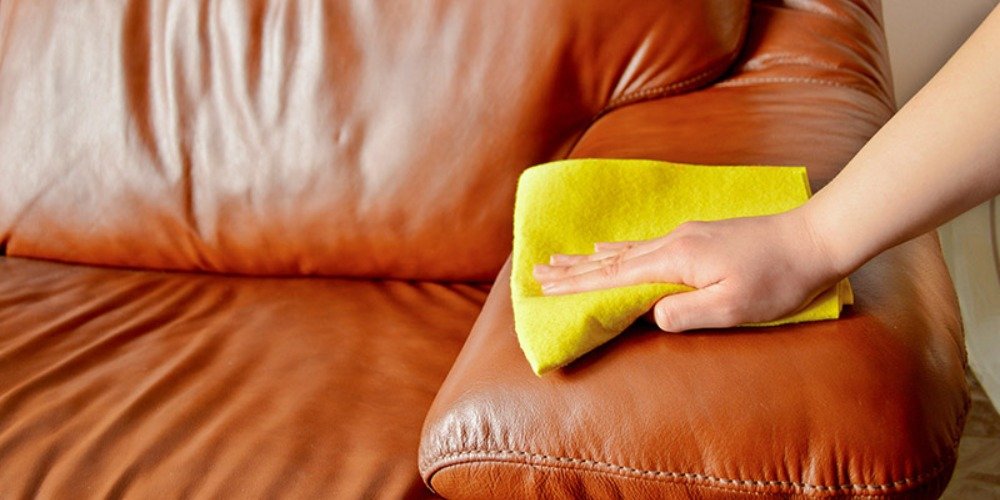
Important details about how the technology functions include the following points:
- The coating does not change the breathability of the material significantly. PU leather already has limited breathability compared to fabric. The stain-proof layer adds minimal resistance to air flow.
- The barrier repels both water-based and oil-based liquids. Red wine contains water and pigments. Coffee contains water and tannins. Cooking oil presents an oil-based challenge. The treatment addresses all three.
- The bond is permanent at the surface level. It does not wear off after a few cleanings. However, heavy abrasion over years of use can gradually reduce the effectiveness.
- The treatment remains invisible and does not alter the color or texture of the leather. The material still looks and feels like standard PU leather.
Wiping Away Common Stains: Wine, Coffee, and More
The real test of any stain-proof material is how it performs when spills actually happen. Several documented cases demonstrate the cleaning process in real settings.
In March 2024, a furniture buyer in Austin, Texas, tested a sample of stain-proof PU leather on a demo sofa in a retail showroom. A sales representative spilled an entire glass of red wine on the seat cushion at approximately 2:15 PM. The wine pooled on the surface for forty seconds before the representative wiped it with a damp microfiber cloth. The stain vanished completely with no residue and no discoloration. The customer later placed an order for twenty sofa covers using the same material.
In September 2024, a café owner in Seattle, Washington, replaced the upholstery on twelve dining chairs with stain-proof PU leather. On October 3, a customer knocked over a large coffee at about 8:40 AM. The coffee spread across two chair seats. The staff member dabbed the area with a wet paper towel and then wiped it with a cloth dampened with warm water and a drop of mild dish soap. The stain lifted in under two minutes. The café owner reported that previous fabric chairs required replacement every eight months due to staining. The new chairs showed no signs of discoloration after three weeks of daily use.
In January 2025, a residential homeowner in Chicago reported a spill incident. A child spilled tomato sauce and dark chocolate on a sectional sofa around 6:00 PM. The homeowner blotted the excess with a clean cloth and then wiped the area with a damp sponge. Both stains came out without any scrubbing. The homeowner noted that the same spills on the previous leather-look fabric had left permanent marks that required a professional cleaner costing one hundred twenty dollars to treat.
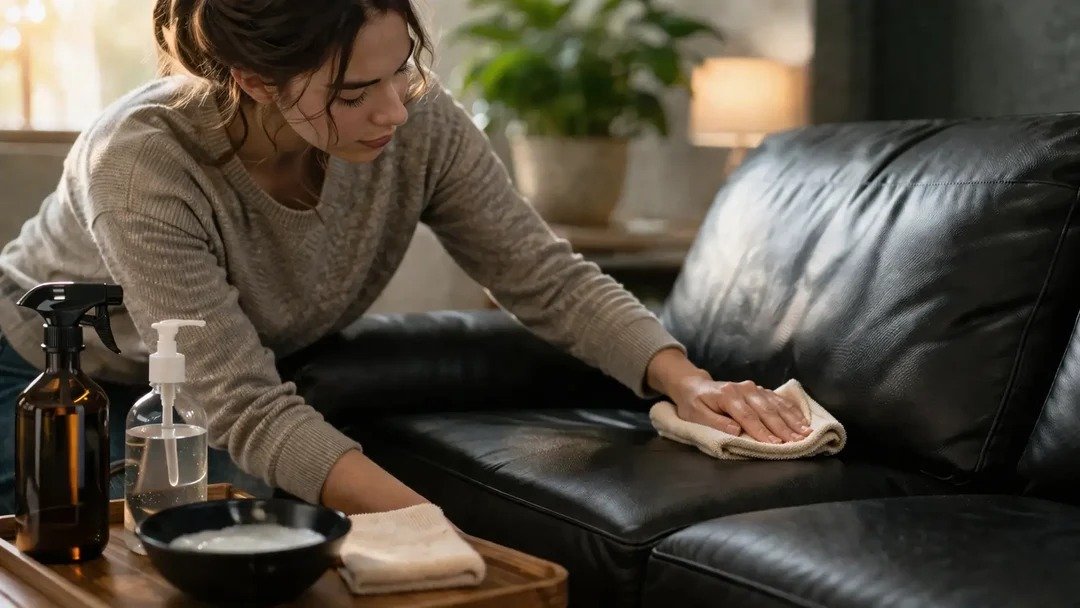
These cases share a common pattern. The liquid stays on the surface. A damp cloth removes it. No specialized chemicals are necessary. The cleaning process takes seconds, not minutes or hours. This speed matters in commercial environments where downtime equals lost revenue. It also matters in homes with children or pets where spills happen unpredictably.
Pros and Cons: What Manufacturer Yudeng Says About Stain-Proof Synthetic Leather
Yudeng Textile, a PU leather manufacturer with thirty-eight years of industry experience, provides a clear assessment of the material (Yudeng Textile). The company lists specific advantages and acknowledges limitations. Understanding both sides helps buyers make informed decisions.
| ميزة | Advantage | Limitation |
|---|---|---|
| Cost | Priced between PVC and genuine leather, suitable for mass market | Still more expensive than basic fabric options |
| Cleaning | Highly waterproof, stains wipe off with a damp cloth | Stubborn stains may need mild soap |
| Durability | Lightweight, wrinkle-resistant, wear-resistant, less prone to mold | Can crack or peel with heavy long-term use |
| Environmental impact | Better than PVC, partially degradable | Not fully biodegradable like genuine leather |
| Design flexibility | Consistent thickness, color, and texture control | Lacks natural grain variation of real leather |
| Vegan claim | 100 percent synthetic, no animal products | Some consumers associate synthetic with lower quality |
Yudeng emphasizes that PU leather costs less than genuine leather and is easier to manufacture (Yudeng Textile). The material is also easy to clean and maintain. A damp cloth removes most stains. The lightweight nature reduces shipping costs for furniture manufacturers. Wrinkle resistance keeps products looking new longer. Mold resistance matters in humid climates where genuine leather can develop mildew.
The limitations are real. The material can crack and peel with frequent use over several years Manuel Dreesmann. The stain-proof coating may degrade in high-abrasion areas. Harsh cleaners can damage the surface. Yudeng notes that the environmental profile is better than PVC but not equivalent to natural materials (Yudeng Textile). Buyers who prioritize full biodegradability should consider alternatives.
How to Clean and Maintain Your Stain-Proof PU Leather
Proper cleaning extends the life of stain-proof PU leather. Faux leather is non-porous and resists moisture absorption, which makes routine care straightforward Povison. The key is consistency. Small daily actions prevent big problems later.
Follow these steps for regular cleaning:
- Vacuum the surface using a soft brush attachment. Remove loose dirt, crumbs, and dust from crevices.
- Mix a solution of warm water and a few drops of mild dish soap.
- Dampen a soft cloth in the solution. Wipe the surface gently. Do not oversaturate the material.
- Wipe again with a clean damp cloth to remove soap residue.
- Dry the surface with a clean microfiber cloth.
For spot cleaning, the approach depends on the stain type:
| Stain Type | Method | Precaution |
|---|---|---|
| Coffee or tea | Blot immediately, then wipe with a damp cloth | Do not rub, which spreads the stain |
| Red wine | Blot, then wipe with water and mild soap | Act within five minutes for best results |
| Grease or oil | Sprinkle baking soda, let sit for a few hours, then wipe | Do not use hot water on grease |
| Ink | Dab with rubbing alcohol on a cotton swab | Test on a hidden area first |
| Food dyes | Use a vinegar and water solution at one-to-one ratio | Gently rub with a soft cloth |
Avoid these common mistakes. Do not use bleach or harsh household cleaners Danetti. Do not scrub stains aggressively. Do not leave spills to dry naturally. Do not use excessive water. Do not place hot cookware directly on the surface. Do not position furniture next to radiators or fireplaces. Gentle and consistent care always produces better results than occasional intensive cleaning Danetti.
Ink stains deserve special attention. Ink can permanently mark faux leather if left too long Danetti. Act immediately. Dab, do not wipe. Wiping spreads the ink across a larger area. A cotton swab with rubbing alcohol works best for small ink spots.
Best Applications: Furniture, Upholstery, and More
Stain-proof PU leather fits best in environments where spills happen regularly and cleaning access is limited. The material performs well across residential and commercial settings.
Residential applications include living room sofas, dining chairs, bedroom headboards, and office desks. Families with young children benefit most. Toddlers spill milk, juice, and food daily. A stain-proof surface turns a potential crisis into a thirty-second cleaning task. Homeowners who entertain frequently also find value in the material. Dinner parties with red wine and coffee become low-stress events.
Commercial applications span restaurants, hotels, healthcare facilities, and public transit. Restaurant chairs take daily abuse from spilled drinks and food. A stain-proof surface reduces labor costs for cleaning staff. Hotel room headboards and armchairs see constant use from guests. Stain resistance keeps rooms looking presentable between turnovers. Healthcare waiting areas benefit from materials that resist bodily fluid spills and can be wiped down quickly.
Upholstery fabric selection requires attention to durability metrics. Furniture fabric should weigh between two hundred fifty and four hundred grams per square meter The Fabric Mill. Heavier fabrics resist wear better. A double rub count of fifteen thousand or more suits heavily used furniture The Fabric Mill. Stain-proof PU leather typically exceeds these thresholds when produced to manufacturer specifications.
Automotive interiors represent another strong application. Car seats face sun exposure, clothing friction, and accidental spills. Stain-proof PU leather resists all three. Airline and bus seating present similar challenges at scale. A single spill can inconvenience dozens of passengers. Quick wipe-down capability reduces turnaround time between flights or routes.
Why Choose Stain-Proof PU Synthetic Leather Over Other Options
Buying decisions depend on comparison. Stain-proof PU leather competes against three main alternatives: genuine leather, regular synthetic leather, and fabric upholstery. Each option has distinct trade-offs.
Genuine leather offers natural breathability and a premium feel. It absorbs water, which means stains penetrate the surface BTOD. It requires regular conditioning. It costs significantly more. PU leather costs less and does not absorb water, making it easier to clean BTOD. It does not dry out over time. It is fully vegan. The trade-off is reduced longevity under heavy use and a plastic-like scent when new.
Regular PU leather shares the cost and vegan advantages but lacks the stain-proof treatment. Pores in standard PU leather allow liquids to absorb Von Baer. Stain-proof PU leather eliminates that weakness without raising the price dramatically.
PVC leather differs from PU leather in composition and performance. PVC contains polyvinyl chloride and lacks pores, making it more durable and water-resistant Von Baer. However, PVC contains plasticizers that raise environmental and health concerns. PU leather ranks better on environmental metrics (Yudeng Textile). Stain-proof PU leather combines the softer hand feel of PU with the stain resistance typically associated with PVC.
Fabric upholstery offers breathability and texture variety. It absorbs stains deeply. Cleaning requires specialized products and often professional services Southern Living. Stain-proof PU leather eliminates the need for most specialized cleaners. A damp cloth handles the majority of spills.
| Factor | Genuine Leather | Regular PU Leather | Stain-Proof PU Leather | PVC Leather |
|---|---|---|---|---|
| Cost | High | Low to medium | Low to medium | Low |
| Stain resistance | Low | Low | High | Medium |
| Vegan | No | Yes | Yes | Yes |
| Durability | High | Medium | Medium to high | High |
| Hand feel | Natural and delicate | Soft, close to leather | Soft, close to leather | Hard, plastic feel |
| Environmental impact | Natural but not eco-friendly | Better, partially degradable | Better, partially degradable | Poor, contains plasticizer |
| Cleaning ease | Requires conditioner | Damp cloth | Damp cloth, water only | Damp cloth |
Where to Buy and Get a Free Sample from Yudeng
Yudeng Textile operates as a direct manufacturer of PU leather and synthetic materials. The company offers free product samples to prospective buyers. Requesting a sample is a standard practice in the industry and allows buyers to evaluate quality before placing bulk orders.
To request a sample from Yudeng, follow these steps. Visit the Yudeng website and navigate to the inquiry or contact page. Submit a request that includes your company name, country, intended application, and preferred product specifications. The company will respond with sample availability and shipping details. If you are located in China, the sample process may be simpler since domestic shipping reduces cost and time YouTube Tutorial. International buyers should confirm shipping terms and any applicable fees before confirming the request.
When evaluating samples, test the material directly. Pour water on the surface and observe beading. Spill a small amount of red wine or coffee and wipe it away with a damp cloth. Check the hand feel and visual consistency. Compare the sample against your current material or competitors offerings. Document the results before making a purchasing decision.
Yudeng maintains quality control standards and international certifications in PU leather production يودينج للنسيج. The company reports compliance with industry standards for softness, wear resistance, weather resistance, and environmental performance. These certifications provide assurance that bulk orders will match sample quality.
Conclusion
Stain-proof PU Synthetic Leather represents a targeted improvement to an already established material. The base product solves problems that genuine leather creates, including cost, animal sourcing, and water sensitivity. The stain-proof treatment solves the remaining problem, which is susceptibility to liquid absorption. The result is a material that balances affordability, ethics, and practicality. No single alternative matches all three attributes simultaneously. Buyers who prioritize stain resistance and cost control will find this material aligns with their needs. Buyers who prioritize long-term durability above five years or full biodegradability should weigh the trade-offs carefully. The technology is not a miracle. It is an engineering solution applied to a specific set of consumer demands. As manufacturing techniques improve, the gap between synthetic and natural materials will continue to narrow. For now, stain-proof PU leather occupies a clear and useful position in the market.
Sources
- Manuel Dreesmann: https://www.manuel-dreesmann.com/en-us/blocks/information/what-is-pu-leather-and-why-you-should-avoid
- Von Baer: https://vonbaer.com/blocks/blog/pu-leather
- Dry-Treat: https://info.drytreat.com/stain-proof
- Textile Science Research: https://fibreguard.com/blog/the-structure-of-stain-free-technology-engineered-by-textile-scientists
- Food and Wine: https://www.foodandwine.com/best-stain-removers-7511442
- Consumer Reports: https://www.consumerreports.org/home-garden/cleaning/the-ultimate-stain-removal-guide-a1115619847
- Yudeng Textile: https://fjyudeng.com/pu-leather
- Yudeng Custom Factory: https://fjyudeng.com/best-custom-pu-leather-factory-manufacturer
- Povison: https://www.povison.com/blog/home-improvement/how-do-i-clean-a-faux-leather-sofa-a-complete-guide-for-long-lasting-style.html
- Danetti: https://www.danetti.com/blocks/lifestyle/our-top-tips-on-how-to-properly-care-for-faux-leather
- The Fabric Mill: https://www.fabricmill.com/blog/post/upholstery-fabric-guide.html
- Southern Living: https://www.southernliving.com/best-upholstery-cleaners-8430525
- BTOD: https://www.btod.com/blog/what-is-pu-leather
- Boston Ten: https://www.bostanten.com/blocks/bostanten-blog/pu-leather-vs-faux-leather-top-9-things-you-will-want-to-know
- YouTube Tutorial: https://www.youtube.com/watch?v=zyDp1A08420
- SampleSource: https://www.samplesource.com