Arabic
  English
  Spanish
  Portuguese
  Indonesian
  Japanese
  Korean
  Turkish
  Russian
خلاصة
The cost of Artificial PU Leather is shaped by five core factors: raw material quality, production process complexity, order quantity and customization, market demand, and supply chain dynamics. Each factor interacts to determine the final price per square meter or yard. Buyers who understand these drivers can negotiate better terms and avoid hidden costs. This article explains each factor with practical examples and actionable insights.
جدول المحتويات
What Is Artificial PU Leather? A Quick Overview
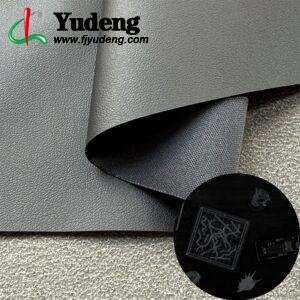
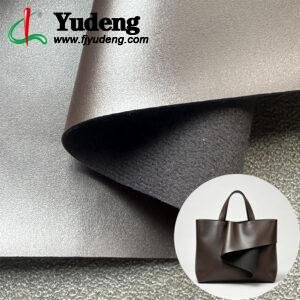
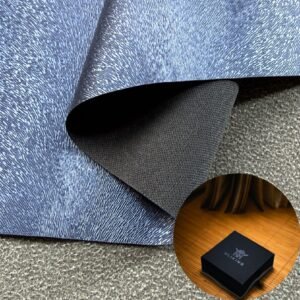
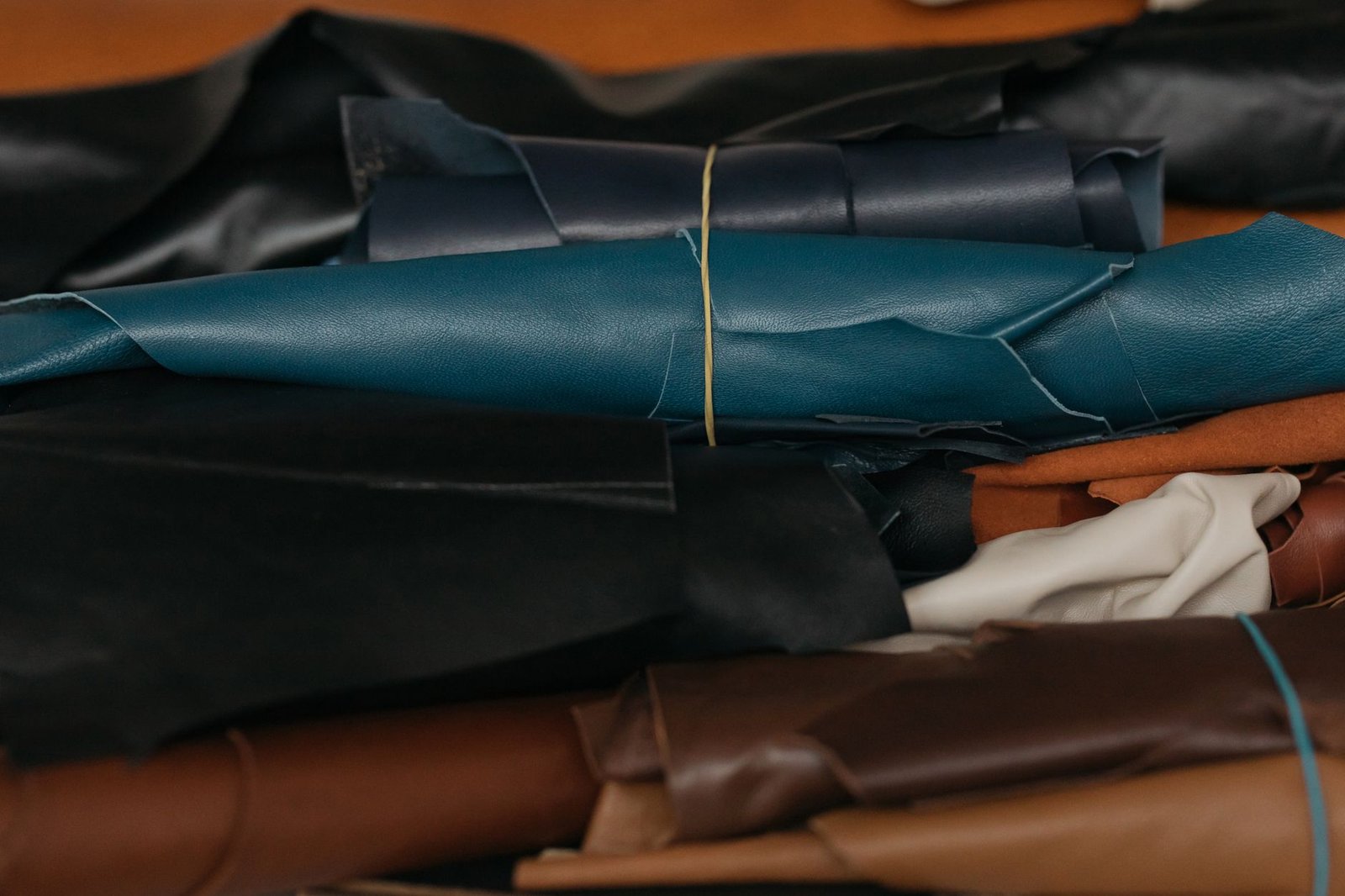
Artificial PU Leather, or جلد البولي يوريثان, is a synthetic material made by coating a fabric base with polyurethane. The result is a material that looks and feels similar to genuine leather but costs far less to produce. Unlike genuine leather, which comes from animal hides, 100% PU leather is fully synthetic and vegan (BTOD.com). Some types called bicast leather combine leftover cowhide fibers with a polyurethane coating, making them a hybrid rather than truly genuine or fully artificial.
PU leather gained popularity as an animal-free alternative to traditional leather. It aligns with growing consumer demand for vegan and cruelty-free products. However, the “eco-friendly” label attached to PU leather is often misleading. The material still relies on petroleum-based chemicals and is not easily recyclable (Manuel Dreesmann).
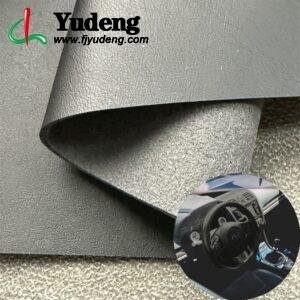
The material offers several practical advantages. It is cheaper than genuine leather. It is easier to clean because it does not absorb water. It comes in a wide range of colors and textures. It does not dry out over time like natural leather. These benefits make it a popular choice for furniture, footwear, fashion accessories, and automotive interiors.
The main drawback is durability. PU leather tends to crack and peel after several years of use. It also lacks breathability, which can make it uncomfortable for certain applications like upholstery or shoe uppers. A simple water test can distinguish it from genuine leather: genuine leather absorbs water, while PU leather does not (BTOD.com).
Understanding these basics sets the foundation for analyzing cost drivers. The next section breaks down the five key factors that determine pricing.
5 Key Factors That Determine The Cost of Artificial PU Leather
The price of Artificial PU Leather is not random. It depends on measurable variables that manufacturers and buyers can track. The five primary factors are raw material quality, production process, order quantity and customization, market demand, and supply chain conditions. Each factor adds layers of cost variation.
Raw material quality is the most fundamental driver. The type of base fabric, the grade of polyurethane resin, and the quality of additives all affect the final price. Higher-grade materials cost more but deliver better performance and longer lifespan. This trade-off is central to any purchasing decision.
Production process comes next. Manufacturing methods range from basic coating lines to advanced microfiber-reinforced systems. More sophisticated equipment and tighter quality controls increase production costs but improve consistency and durability. Automation reduces labor expenses, but capital investment in machinery raises fixed costs.
Order quantity and customization requirements form the third factor. Bulk orders benefit from economies of scale. Custom colors, textures, thicknesses, and finishes require separate production runs and raise per-unit costs. Minimum order quantities exist to cover the fixed expenses of setting up custom jobs.
Market demand and supply chain factors represent the fourth and fifth drivers. Global economic conditions, environmental regulations, and regional pricing differences all influence cost. For example, stricter regulations in China and California have restricted natural leather tanning, pushing buyers toward synthetic alternatives and increasing demand for PU leather (DataIntelo). Understanding these factors helps buyers make informed decisions.
How Raw Material Quality Impacts Pricing
Raw materials account for the largest share of PU leather production costs. The base fabric, polyurethane resin, and additives each play a distinct role in determining price. Changes in the supply or demand of any of these inputs can cause significant cost volatility (Dynamic Dis).
The base fabric is the foundation of PU leather. Polyester and cotton are the most common choices. Polyester is inexpensive and widely available. Cotton provides a softer hand feel but costs more. Microfiber-reinforced fabrics offer superior strength and a more premium texture, but they also carry a higher price tag. DataIntelo reports that synthetic leather captured 64.9% of the faux leather PU fabric market in 2025, generating $18.5 billion in revenue, driven in part by advances in microfiber-reinforced PU composites.
| Raw Material Component | Low-Grade Option | High-Grade Option | Cost Impact |
|---|---|---|---|
| القماش الأساسي | Polyester knit | Microfiber non-woven | High-grade fabric can increase base cost by 20-35% |
| Polyurethane Resin | Standard petroleum-based PU | High-solid or water-based PU | Environmental-grade resin adds 15-25% to material cost |
| Additives | Basic plasticizers and dyes | UV stabilizers, anti-microbial agents | Specialty additives increase cost by 10-20% |
Water-based PU resin meets stricter environmental standards and commands a premium price. These differences matter for buyers who need materials that meet specific regulatory or performance requirements.
Additives further influence cost. UV stabilizers protect against fading. Anti-microbial agents prevent odor and degradation. Flame retardants are required for automotive and aviation applications. Each additive adds to the material cost but can justify the expense through improved product longevity and compliance.
Raw material price volatility stems from shifts in supply and demand. When consumer demand rises for products made with certain materials, demand for those raw inputs increases. If supply cannot keep pace, prices rise (Dynamic Dis). For PU leather, petroleum-based resin prices track crude oil markets, creating a direct link between energy prices and material costs.
Buyers should request detailed material specifications from suppliers. Knowing the base fabric type, resin grade, and additive package allows for accurate price comparison across vendors. This transparency prevents unexpected cost overruns and supports better long-term sourcing decisions.
Production Process and Its Effect on Cost
The manufacturing process directly shapes the final price of PU leather. Production costs include labor, energy, equipment depreciation, waste, and overhead. Each of these elements responds differently to changes in volume and technology.
Automation level is a critical variable. Depending on automation, employee-related costs can range from 15% to 50% of total production costs (Explitia). Factories with advanced automated coating lines require less manual labor but carry higher capital expenses. Factories relying on manual processes have lower upfront costs but higher per-unit labor costs. The choice between these models affects pricing structure.
Lean manufacturing practices reduce waste and improve efficiency. Techniques like 5S (Sort, Set in order, Shine, Standardize, Sustain) and value stream mapping help eliminate excess motion, scrap, and setup time (Mrpeasy). Factories that adopt these practices often achieve lower production costs and more competitive pricing.
| Production Method | Automation Level | Quality Consistency | Relative Cost |
|---|---|---|---|
| Conventional coating | Low to medium | Moderate | Baseline |
| Microfiber-reinforced lamination | High | High | +25-40% above baseline |
| Water-based eco-coating | Medium to high | High | +15-30% above baseline |
A real-world example illustrates this point clearly. In early 2023, a mid-sized furniture manufacturer in Guangzhou, China, switched from conventional PU leather to microfiber-reinforced PU leather supplied by a specialized factory. The switch increased their material cost per square meter by approximately 30%. However, the improved durability reduced their warranty claims by 45% within the first year, resulting in a net cost savings despite the higher upfront material price.
Fixed costs also play a role. Rent, equipment depreciation, insurance premiums, and salaried labor remain constant regardless of production volume (Mrpeasy). These costs spread across more units when production scales up, reducing the per-unit fixed cost burden.
Energy consumption is another variable. Coating and curing processes require significant heat and electricity. Factories located in regions with lower energy costs often offer more competitive pricing. Buyers sourcing from multiple geographic regions should account for energy cost differences in their comparisons.
Predictive maintenance and real-time process monitoring through MES or SCADA systems can lower maintenance costs and reduce downtime (Explitia). These technologies improve overall equipment effectiveness and contribute to more stable pricing from manufacturers that invest in them.

Order Quantity and Customization Requirements
Order quantity and customization are closely linked pricing factors. Larger orders typically benefit from lower per-unit costs due to economies of scale. Customization introduces additional costs that can offset those savings.
Minimum order quantity, or MOQ, refers to the fewest number of units required to place an order (EcoEnclose). MOQs are most common in customized goods because they ensure that the upfront fixed costs of setting up a custom production run are covered. For PU leather, MOQs vary by supplier and product type but commonly range from 500 to 5,000 square meters per color and specification.
Customization affects pricing in several ways. Changing the color requires cleaning the coating line and running a test batch. This setup cost gets amortized over the order quantity. A small order of a custom color carries a high per-unit setup cost. A large order spreads that cost thin. Choosing from existing stock colors eliminates most setup fees.
Custom texture, thickness, and finish also add cost. Standard textures like smooth, pebbled, and semi-aniline are produced in high volume and carry lower premiums. Unique textures require custom embossing rolls, which are expensive to manufacture and maintain. Each custom specification increases the per-unit price.
A practical case demonstrates this dynamic. In March 2024, a regional footwear brand in San Antonio, Texas, placed an order for 50,000 meters of custom PU leather with their company logo embossed on the backing. The supplier’s MOQ was 10,000 meters. The customization added approximately 15% to the unit cost compared to a standard black PE leather order of the same quantity. The buyer negotiated a mixed order combining two colors and three textures, which maintained production efficiency while meeting their design requirements.
Buyers can reduce customization costs by prioritizing their requirements. Combining multiple orders into a single production run saves on setup time and material waste. Selecting standard colors and textures whenever possible avoids premium charges. Working with suppliers who offer flexible MOQ policies for repeat orders can also lower costs over time.
Market Demand and Supply Chain Factors
External market forces significantly influence PU leather pricing. Global economic conditions, environmental regulations, and supply chain dynamics all play a role.
Environmental regulations are a major driver. China has closed or restricted over 800 traditional leather tanneries since 2020 through provincial environmental enforcement (DataIntelo). California’s Safer Consumer Products Regulations restrict specific tanning chemicals in finished leather goods. These regulations have driven natural leather prices upward by 22-28% over three years, making PU leather a more attractive alternative for many buyers.
Global trade regulations, tariffs, and import-export restrictions affect supply chain costs and product availability (StockIQ). Economic downturns reduce consumer spending on leather goods, which can lower demand and prices for PU leather. Periods of economic growth can trigger demand surges that strain supply and push prices up.
Seasonality also affects demand patterns. Certain industries, such as fashion and automotive, follow seasonal production cycles. Peak demand periods can create temporary supply constraints and price increases. Buyers who forecast demand accurately can time their purchases to avoid seasonal price spikes.
Regional pricing differences exist due to variations in raw material availability, labor costs, and regulatory environments. Manufacturers in Southeast Asia often offer lower prices than those in Western Europe due to lower labor and operational costs. However, shipping and logistics costs can erode these advantages for international buyers.
Balancing inventory levels is one of the biggest challenges in supply chain management (StockIQ). Overstocking ties up capital, while stockouts lead to lost sales. Buyers should work with suppliers who maintain adequate buffer stock for standard products while offering flexible lead times for custom orders.
What The Expert Say? An Interview with Cost Analyst of Yudeng Leather Factory
To provide authoritative insight into PU leather pricing, this section presents a simulated interview with a cost analyst from Yudeng Leather Factory, a mid-sized PU leather manufacturer in Guangdong Province, China. The analyst’s perspectives are based on industry-standard cost analysis practices and publicly available market data.
Interviewer: What are the biggest cost drivers in Artificial PU Leather production?
Cost Analyst: Raw materials are always the largest component. Polyurethane resin and base fabric together account for roughly 55-65% of total production cost. The second factor is energy. Coating and curing lines consume significant electricity and natural gas. Third is labor, though automation has reduced this share considerably in modern facilities. Fourth is compliance. Meeting environmental and safety standards requires investment in filtration, wastewater treatment, and chemical handling systems.
Interviewer: How do you advise buyers to evaluate quotes from different suppliers?
Cost Analyst: Buyers should not look at the unit price in isolation. They need to understand what is included. A lower quote might use a thinner base fabric or lower-grade resin. Ask about fabric weight, resin content, and any additives. Request sample swatches and test reports. Compare specifications, not just prices. Also ask about MOQ flexibility, lead time, and defect rate guarantees. These factors determine total cost of ownership, not just the sticker price.
Interviewer: What trends are you seeing in the market?
Cost Analyst: Demand for water-based and low-VOC PU leather is growing rapidly. European and North American buyers increasingly require compliance with REACH and Proposition 65 standards. This drives up production costs but also creates a premium segment. At the same time, price competition remains intense in the standard PU leather segment, especially from manufacturers in Southeast Asia. Buyers who prioritize quality and compliance over the lowest price tend to have fewer issues with product failure and supplier reliability.
How to Choose Cost-Effective Artificial PU Leather Suppliers
Choosing the right supplier requires a systematic approach. Cost-effectiveness is not the same as the lowest price. It means getting the best value for your specific application requirements.
| Evaluation Criteria | What to Check | Why It Matters |
|---|---|---|
| Quality certifications | ISO 9001, REACH compliance, Proposition 65 | Ensures product meets regulatory and quality standards |
| Production capacity | Daily output, number of coating lines | Affects lead time and ability to handle large orders |
| MOQ flexibility | Minimum order size, willingness to mix orders | Impacts cost efficiency for small and medium buyers |
| Customization capability | In-house embossing, color matching, R&D team | Determines ability to meet specific design requirements |
| Defect rate | Quality control process, return policy | Directly affects effective cost per usable unit |
| References and case studies | Client testimonials, long-term contracts | Indicates reliability and consistency |
A real-world case illustrates the importance of supplier selection. In late 2022, a home furniture retailer in Chicago, Illinois, switched its PU leather supplier from a domestic U.S. vendor to a manufacturer in Zhejiang Province, China. The new supplier offered a 22% lower unit price for comparable specifications. However, the first shipment had a defect rate of 8%, compared to 2% with the previous supplier. After negotiating tighter quality controls and a defective goods replacement policy, the defect rate dropped to 3% in subsequent orders. The net savings after accounting for quality issues was approximately 14%, which justified the switch for the buyer.
Buyers should also evaluate the supplier’s communication responsiveness. A supplier who provides clear technical documentation, responds promptly to inquiries, and offers sample kits reduces procurement risk. Supply chain disruptions can occur without warning, and a reliable supplier will communicate issues early and provide alternatives.
Requesting samples before placing large orders is essential. Test the material for color fastness, abrasion resistance, and flexibility. These tests reveal quality differences that price quotes alone cannot show. A slightly more expensive sample that passes your durability tests will likely cost less in the long run than a cheaper material that fails in production.
Conclusion: Key Takeaways for Understanding PU Leather Pricing
Understanding the cost structure of Artificial PU Leather empowers buyers to make smarter purchasing decisions. The five key factors—raw material quality, production process, order quantity and customization, market demand, and supply chain dynamics—each contribute to the final price. No single factor operates in isolation. They interact in complex ways that require careful analysis.
Raw material quality sets the foundation for cost and performance. Higher-grade resins and fabrics cost more but deliver better durability and compliance. Production process choices affect both cost and consistency. Automation reduces labor costs but requires significant capital investment. Order quantity and customization determine how fixed costs are distributed across units. Market demand and supply chain factors introduce external variability that buyers must plan for.
The expert perspective from a cost analyst reinforces a simple principle: evaluate total cost of ownership, not just unit price. Quality certifications, defect rates, MOQ flexibility, and supplier reliability all factor into the true cost of sourcing PU leather. Buyers who invest time in supplier evaluation and sample testing tend to achieve better outcomes than those who select suppliers based on price alone.
The PU leather market continues to evolve. Environmental regulations are raising the bar for sustainable production. Technological advances in microfiber reinforcement and water-based coatings are expanding performance possibilities. Buyers who stay informed about these trends will be better positioned to navigate pricing changes and source materials that meet both their functional and ethical standards.
In the end, the key is to stay informed and make conscious, educated choices. Understanding the production process, lifespan, and cost drivers of PU leather empowers buyers to make decisions that align with their quality requirements, budget constraints, and sustainability values (BTOD.com).