Spanish
  English
  Portuguese
  Arabic
  Indonesian
  Japanese
  Korean
  Turkish
  Russian
PU leather, also known as polyurethane leather, the most popular alternative to genuine leather. This guide provides a deep dive into what PU leather is, how it is made, its benefits compared to animal leather, and how to choose the right type for your business. Whether you are a designer, a furniture manufacturer, or a curious consumer, this article will help you understand why PU leather is a versatile, cost-effective, and animal-friendly choice for now.
Tabla de contenido
- 1. What Exactly is PU Leather?
- 2. How is PU Leather Made? (The Simple Process)
- 3. The Different Types of PU Leather
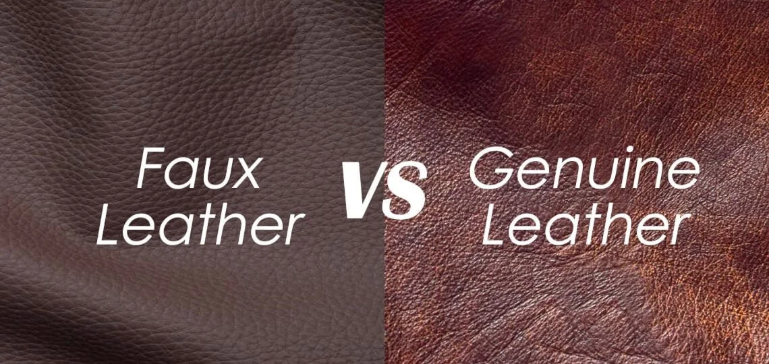
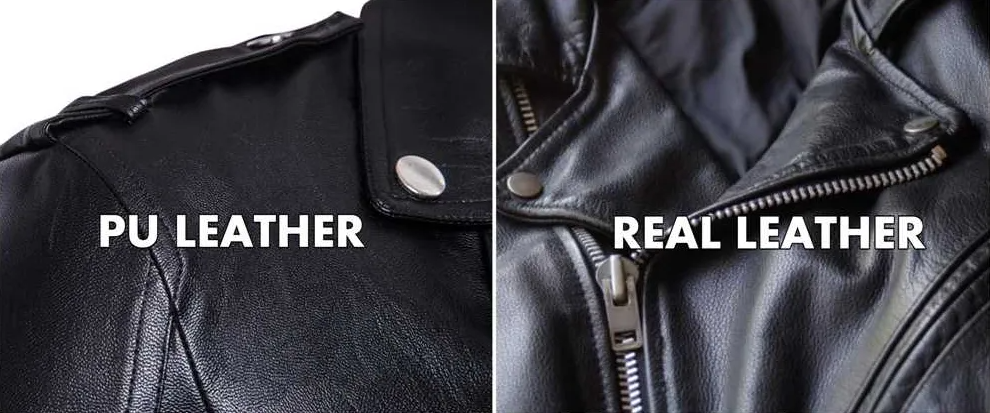
- 4. PU Leather vs. Real Leather: The Main Differences
- 5. PU Leather vs. PVC Leather
- 6. The Pros and Cons of Using PU Leather
- 7. Case Study: Why a Top Hotel Chain Switched to PU Leather
- 8. How to Care for Your PU Leather Products
- 9. Frequently Asked Questions (FAQ)
1. What Exactly is PU Leather?
If you have ever bought a stylish handbag, a pair of modern sneakers, or a sleek office chair, you have likely encountered Cuero de PU.
PU leather stands for Polyurethane leather. It is an artificial or synthetic leather made from a thermoplastic polymer. Unlike genuine leather, which comes from animal hides, PU leather is 100% man-made. It is designed to look, feel, and even smell somewhat like real leather, but at a much more affordable price point and without the ethical concerns associated with animal products.
In the industry, it is often called “vegan leather”, “synthetic leather”, “faux leather” or “imitation leather”. Because it doesn’t involve animals, it has become the go-to material for brands that want to promote sustainability and cruelty-free fashion.
2. How is PU Leather Made? (The Simple Process)
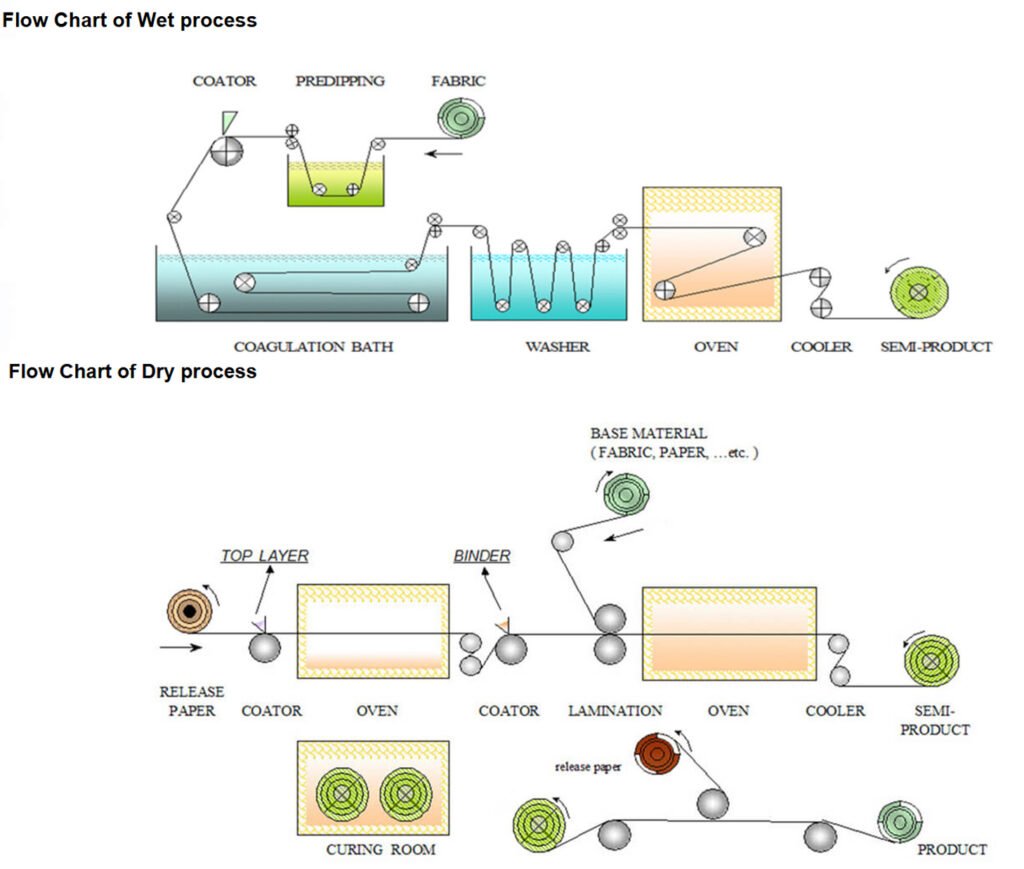
Understanding how PU leather is made helps you understand its quality. As a factory specializing in this, we break it down into two main layers:
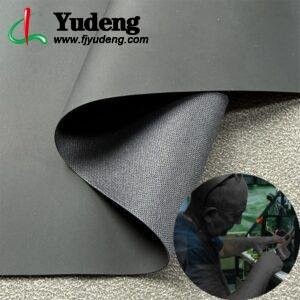
- The Backing Material: This is the foundation. It is usually made of fabric like polyester, cotton, or even shredded leather fibers (known as “bicast leather”).
- The Polyurethane Layer: A liquid PU resin is applied on top of the backing. This layer is then embossed with a grain pattern to make it look like real cowhide or any other texture desired.
Once the layers are bonded together, the material is treated with finishes to give it a specific color, shine, or water-resistant property. This flexibility is why PU leather can look like anything from soft lambskin to rugged crocodile skin.
3. The Different Types of PU Leather
Not all PU leathers are created equal. Depending on the manufacturing method, you can find different grades:
- Fully Synthetic PU: Made entirely from synthetic materials. This is the most common “vegan” option.
- Semi-PU Leather: A mix of PVC and PU. It is cheaper and more durable than pure PU but less soft.
- Microfiber PU Leather: The highest quality of synthetic leather. It uses a high-density fiber base and is incredibly durable, often lasting as long as real leather. It is used in luxury car interiors and premium furniture.
- PU a base de agua: An eco-friendly version that uses water instead of harsh chemical solvents during production.

4. PU Leather vs. Real Leather: The Main Differences
Many people ask: “Is PU leather better than real leather?” The answer depends on your needs. Let’s compare them:
| Característica | Cuero de PU | Real Leather |
|---|---|---|
| Costo | Very Affordable | Caro |
| Durabilidad | 3-5 years (Average) | 10-20+ years |
| Resistencia al agua | High (Waterproof) | Low (Absorbs water) |
| Ethics | Vegan/Cruelty-free | Animal-based |
| Maintenance | Easy (Wipe clean) | Requires special oils |
5. PU Leather vs. PVC Leather
You might also hear about PVC (Vinyl) leather. While both are synthetic, they are very different:
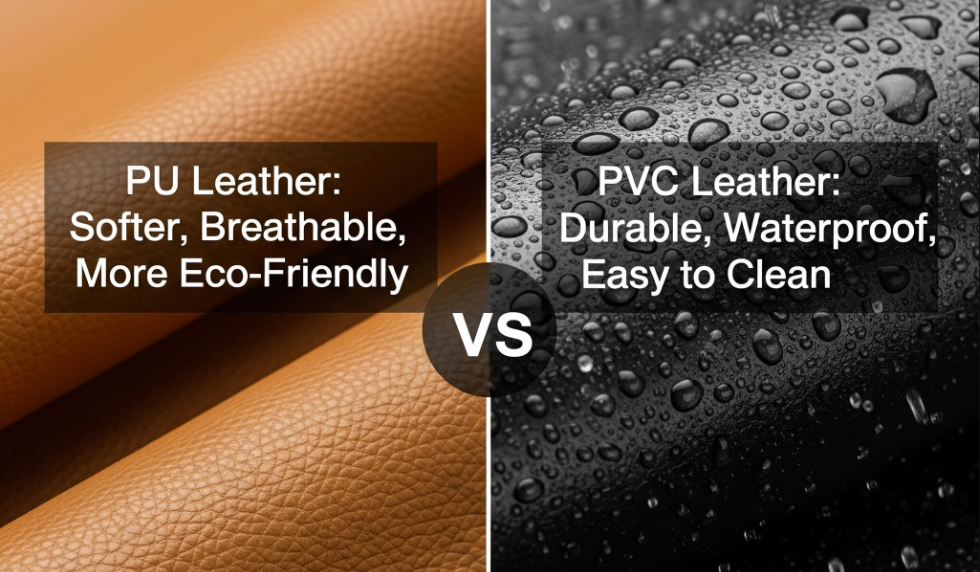
Cuero de PVC was the first generation of synthetic leather. It is tough and very cheap, but it doesn’t breathe well and can feel “plastic-y.” It also contains more harmful chemicals even toxic after sunlight exposion.
Cuero de PU is the “upgraded” version. It is much softer, more flexible, more patterns and more breathable. Most modern consumers prefer PU because it feels more like a natural material against the skin.
6. The Pros and Cons of Using PU Leather
The Pros:
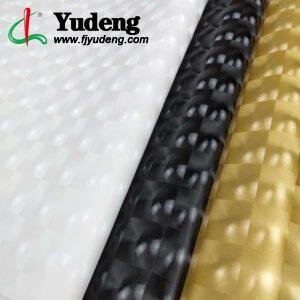
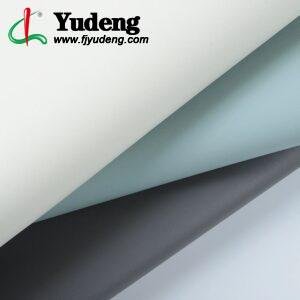
- Variety: It can be made in any color, texture, or thickness.
- Consistency: Unlike real hides, every yard of PU leather is the same quality, which means less waste during manufacturing.
- Resistencia al agua: It doesn’t stain easily when it rains or if you spill a drink.
- Affordability: It allows businesses to offer high-end looking products at a fraction of the cost.
The Cons:
- Breathability: While better than PVC, it is still less breathable than real leather.
- Longevity: Over many years, low-quality PU may begin to “peel” or crack.
- Environmental Impact: While it saves animals, the chemical process requires careful management (which is why choosing a responsible factory is important).
7. Case Study: How “The North Star Collection” in Amsterdam Saved €85,000 with High-Grade PU
To understand the real-world value of modern polyurethane material, let’s look at a recent project our factory completed in the summer of 2023 for The North Star Collection, a premium boutique hotel group based in Amsterdam, Netherlands.
The Client: Mr. Henrik van der Meer, the Lead Interior Architect for a 210-room renovation project located in the historic Canal District.
The Challenge: “Luxury Aesthetics vs. High Turnover”
Henrik’s vision for the guest rooms included deep-tufted headboards and ergonomic desk chairs. Initially, the board of directors insisted on genuine Italian calfskin leather to maintain their 4-star superior rating. However, they faced two major hurdles:
- Budget Constraints: The quote for genuine leather was approximately €140,000 for the entire project, which far exceeded their renovation budget.
- Maintenance Nightmare: Amsterdam is a high-tourism city. Between guests’ rolling luggage hitting chair legs and accidental spills of red wine or morning coffee during room service, real leather would require monthly professional conditioning and would likely show permanent stains within six months.
The Solution: Customized “Nappa-Grain” Microfiber PU
After consulting with our international sales team, we sent Henrik five different samples of our 1.2mm Microfiber PU Leather. They selected a “Slate Grey” shade with a customized Nappa-grain finish that perfectly mimicked the soft touch of real calfskin.
The Tangible Results:
- Direct Cost Savings: The final bill for our PU leather rolls came to approximately €55,000. By switching from real leather, the hotel saved €85,000—funds they redirected into upgrading their lobby lighting and smart-room technology.
- Unmatched Durability: Our material passed the 100,000-cycle Martindale Rub Test. After 14 months of high guest turnover (averaging 85% occupancy), Henrik reported that the headboards show zero signs of “peeling” or surface cracking, even in the humid canal-side environment.
- Cleaning Efficiency: Housekeeping staff now spend an average of 90 seconds cleaning a PU desk chair with a simple water-dampened microfiber cloth. Real leather would have required a 10-minute multi-step cleaning and oiling process.
- Sustainability Award: In late 2023, the hotel received a local “Green Choice” certification. They highlighted their use of 100% Vegan PU Leather in their marketing, which led to a 12% increase in bookings from eco-conscious Millennial and Gen Z travelers.
“Initially, I was worried that synthetic leather would feel ‘cheap.’ But after seeing the samples from this factory, I realized the technology has changed. Our guests can’t tell the difference, but our maintenance budget certainly can!”
— Henrik van der Meer, Lead Interior Architect
8. How to Care for Your PU Leather Products
One of the best things about PU leather is how easy it is to maintain. Here are three simple tips to keep it looking great:
- Regular Dusting: Use a soft microfiber cloth to remove dust every week.
- Mild Soap for Stains: If you get a stain, mix a little dish soap with warm water. Dip a cloth in the solution, wring it out, and gently wipe the area.
- Avoid Harsh Chemicals: Never use bleach, alcohol, or abrasive cleaners. These will strip the protective PU layer and cause it to crack.
9. Frequently Asked Questions (FAQ)
Q: Does PU leather peel?
A: Low-quality PU leather can peel after 1-2 years. However, high-quality PU leather from a reputable factory is designed to be much more durable and resistant to cracking.
Q: Is PU leather waterproof?
A: Yes, most PU leather is highly water-resistant. Water sits on the surface rather than soaking in, making it easy to wipe off.
Q: Does it smell?
A: New PU leather may have a slight “plastic” or chemical smell initially, but this usually disappears after being aired out for 24-48 hours.
Q: Is PU leather good for shoes?
A: Absolutely. It is lightweight, holds its shape well, and protects against the elements, which is why it is used by almost all major athletic shoe brands.
Looking for a reliable PU leather supplier for your next project? Our factory provides high-quality, eco-friendly PU materials for furniture, fashion, and automotive industries. Contact us today for samples!