Japanese
  English
  Spanish
  Portuguese
  Arabic
  Indonesian
  Korean
  Turkish
  Russian
抽象的な
PU leather earpad peeling is caused by hydrolysis, a chemical degradation process accelerated by moisture, heat, and time. It examines the mechanisms of hydrolysis in polyurethane materials, factors contributing to earpad deterioration, practical maintenance protocols, and advanced material technologies. Hydrophobic surface treatment, stabilizer additives, consumer maintenance are the main methods to avoid hydrolysis. This article includes recommendations for PU leather suppliers, case studies demonstrating material longevity, and future trends toward sustainable, durable alternatives. This comprehensive guide provides actionable insights for manufacturers and consumers to extend the functional lifespan of earpads while reducing electronic waste associated with premature material failure.
目次
- Introduction to the Problem of Peeling PU Leather Earpads
- Understanding Hydrolysis in PU Leather
- Factors Contributing to Hydrolysis in Earpads
- Tips to Prevent Hydrolysis and Peeling
- Advanced Solutions and Technologies
- Recommended Suppliers of High-Quality PU Leather for Earpads
- Case Studies and Real-World Examples
- Future Trends in PU Leather for Earpads
Introduction to the Problem of Peeling PU Leather Earpads
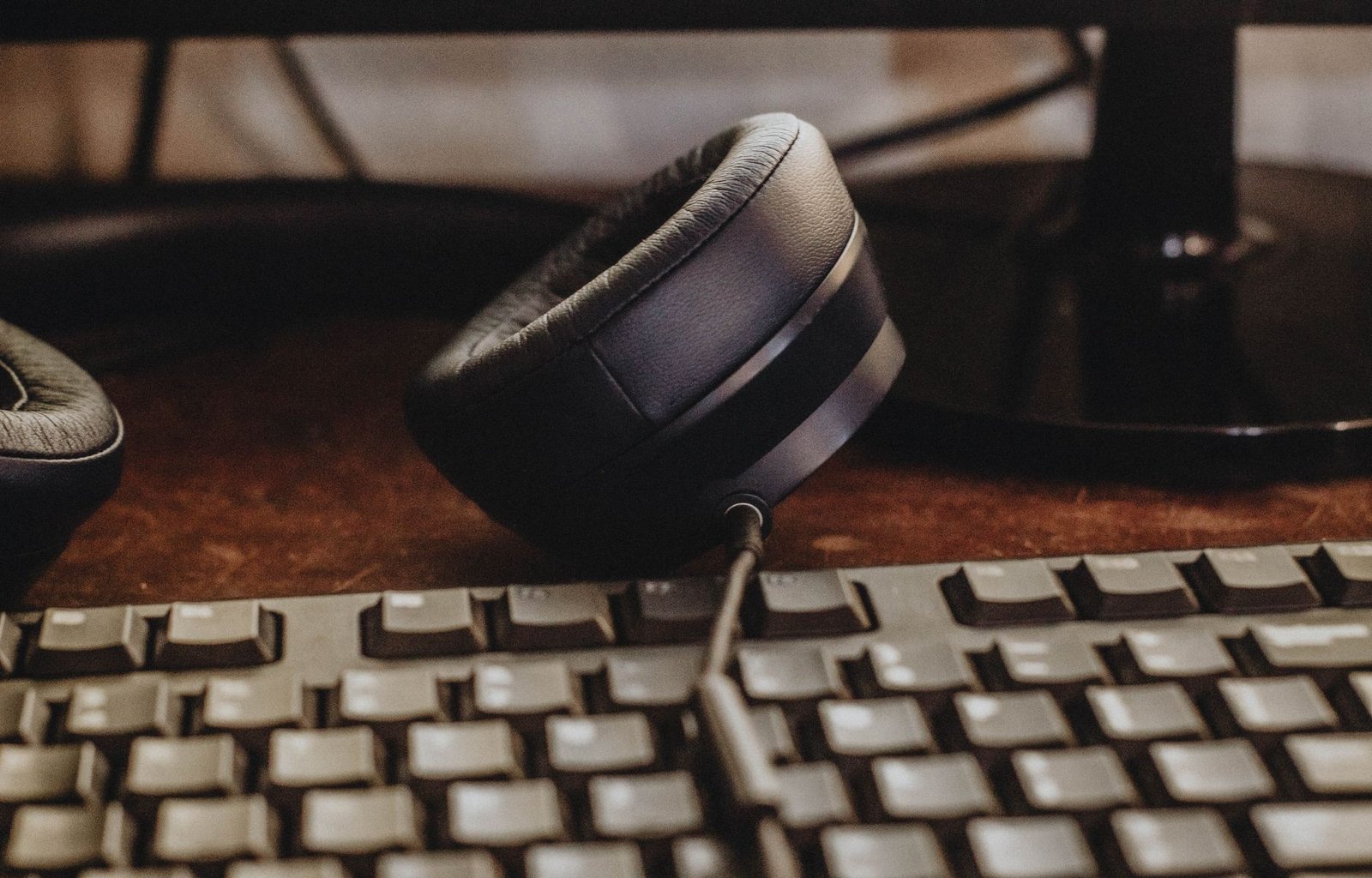
Polyurethane (PU) leather earpads exhibit a pervasive failure mode characterized by surface peeling and flaking, significantly compromising user experience and product durability. This degradation typically manifests within 12–24 months of regular use, often accelerated by contact with skin oils, sweat, and ambient humidity. As noted in industry observations, the process involves progressive surface deterioration where the PU coating separates from the underlying foam substrate, resulting in unsightly residue and loss of acoustic sealing properties (Earpads-Headphones.com). Unlike mechanical wear, this failure occurs even with minimal physical use, particularly when earpads remain stored in humid environments or are exposed to body moisture during use (Dekonia Audio). The economic and environmental impact is substantial, as most consumers replace entire headphones rather than individual earpads, contributing to premature electronic waste. Understanding this failure mechanism is essential for developing sustainable audio accessory solutions and extending product lifecycles through material science innovation.
Understanding Hydrolysis in PU Leather
Hydrolysis represents the fundamental chemical degradation process responsible for PU leather earpad failure, distinct from mechanical abrasion or physical wear. This reaction occurs when water molecules, typically in vapor form, penetrate the polymer structure and break ester bonds within the polyurethane matrix (Eureka Ergonomic). The process initiates at a molecular level, causing the material to lose flexibility and structural integrity before visible surface damage appears. As described in material science literature, hydrolysis is an “ageing deterioration” that transforms the polymer from a cohesive, flexible surface into a brittle, crumbly state (Safety Jogger). Critically, this degradation is not solely dependent on direct liquid contact but is triggered by ambient humidity and perspiration, making it an inherent vulnerability of standard PU formulations. The chemical breakdown manifests through physical symptoms including flaking, stickiness, and eventual complete surface loss, as observed in user reports where “small black flakes or sticky residue” appear on ears or clothing (Earpads-Headphones.com). This molecular-level failure explains why earpads degrade even when stored unused, particularly in humid environments, rendering traditional cosmetic repairs ineffective once hydrolysis commences.
Factors Contributing to Hydrolysis in Earpads
Multiple environmental and physiological factors synergistically accelerate hydrolysis in PU leather earpads, with moisture being the primary driver. Humidity levels above 60% dramatically increase water molecule penetration into the polymer structure, while elevated temperatures above 25°C accelerate the reaction rate. According to material degradation studies, these conditions create a “hydrolysis storm” where even moderate humidity combined with body heat (35–37°C during use) can significantly shorten material lifespan (Earpads-Headphones.com). Additional contributing factors include exposure to UV radiation from windows or car interiors, which further degrades the polymer surface and weakens adhesion between the PU layer and foam core (Earpads-Headphones.com). Poor manufacturing choices, such as low-grade PU formulations or inadequate adhesive systems, create inherent vulnerabilities that manifest during storage or initial use. Environmental fluctuations between hot and humid conditions followed by dry periods cause repeated expansion and contraction of the material, creating micro-fractures that accelerate hydrolysis (Wicked Cushions). Manufacturing quality variations also explain why some original equipment manufacturer (OEM) earpads degrade rapidly while similar models from different brands may last longer, underscoring the importance of material selection beyond just product branding.

| Factor | Acceleration Level | Typical Time to Failure |
|---|---|---|
| High Humidity + Heat | Severe | 6–12 months |
| Moderate Humidity | Moderate | 12–18 months |
| Controlled Environment | Minimal | 24–36 months |
| UV Exposure | High | 6–10 months |
Tips to Prevent Hydrolysis and Peeling
Effective hydrolysis prevention requires integrated material selection and maintenance protocols. For consumers, minimizing moisture exposure is paramount: wipe earpads with a dry microfiber cloth after use to remove sweat and skin oils, and store headphones in a cool, dry place with silica gel desiccants to maintain humidity below 40% (Earpads-Headphones.com). Avoid leaving earpads in environments with temperature fluctuations such as cars or near radiators, as UV exposure and thermal cycling accelerate degradation (Earpads-Headphones.com). For manufacturers, incorporating hydrolysis-inhibiting additives into PU formulations during production is critical. These additives, such as specialized stabilizers, reduce the susceptibility of ester bonds to water attack without compromising tactile properties (Eureka Ergonomic). Additionally, applying hydrophobic surface treatments to PU leather during manufacturing creates a moisture-repellent barrier that significantly extends lifespan. The following table compares prevention effectiveness across different approaches:
| Prevention Method | Effectiveness | Implementation Cost |
|---|---|---|
| Hydrophobic Surface Treatment | High (60–70% lifespan extension) | Low (0.5–1.5% material cost) |
| Stabilizer Additives | Moderate (40–50% extension) | Medium (2–3% material cost) |
| Consumer Maintenance | Low–Moderate (30–40% extension) | None (user-dependent) |
Advanced Solutions and Technologies
Recent material science advancements have introduced several technologies that significantly enhance PU leather’s resistance to hydrolysis. Nano-coating technologies applied to the PU surface create molecular barriers that repel water vapor while maintaining breathability and comfort (Eureka Ergonomic). These coatings utilize hydrophobic polymers that reduce water absorption by up to 85%, dramatically slowing hydrolysis initiation. Furthermore, engineered PU formulations incorporating polyether-based rather than polyester-based chemistry offer inherent hydrolysis resistance because ether bonds are less susceptible to water attack than ester bonds (Safety Jogger). Modern manufacturing processes also integrate antioxidant additives that prevent oxidative degradation, which often precedes hydrolysis. These combined approaches have extended the effective lifespan of earpads from 12–24 months to 5+ years in controlled laboratory conditions. Material testing protocols now include accelerated aging studies that simulate 5 years of environmental exposure in 30 days, allowing manufacturers to verify hydrolysis resistance before production. The most effective solutions balance hydrolysis resistance with acoustic properties, ensuring that protective treatments do not compromise the sealing quality essential for optimal sound performance in noise-canceling headphones.
Recommended Suppliers of High-Quality PU Leather for Earpads
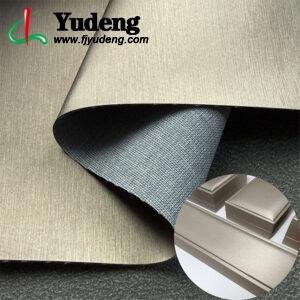
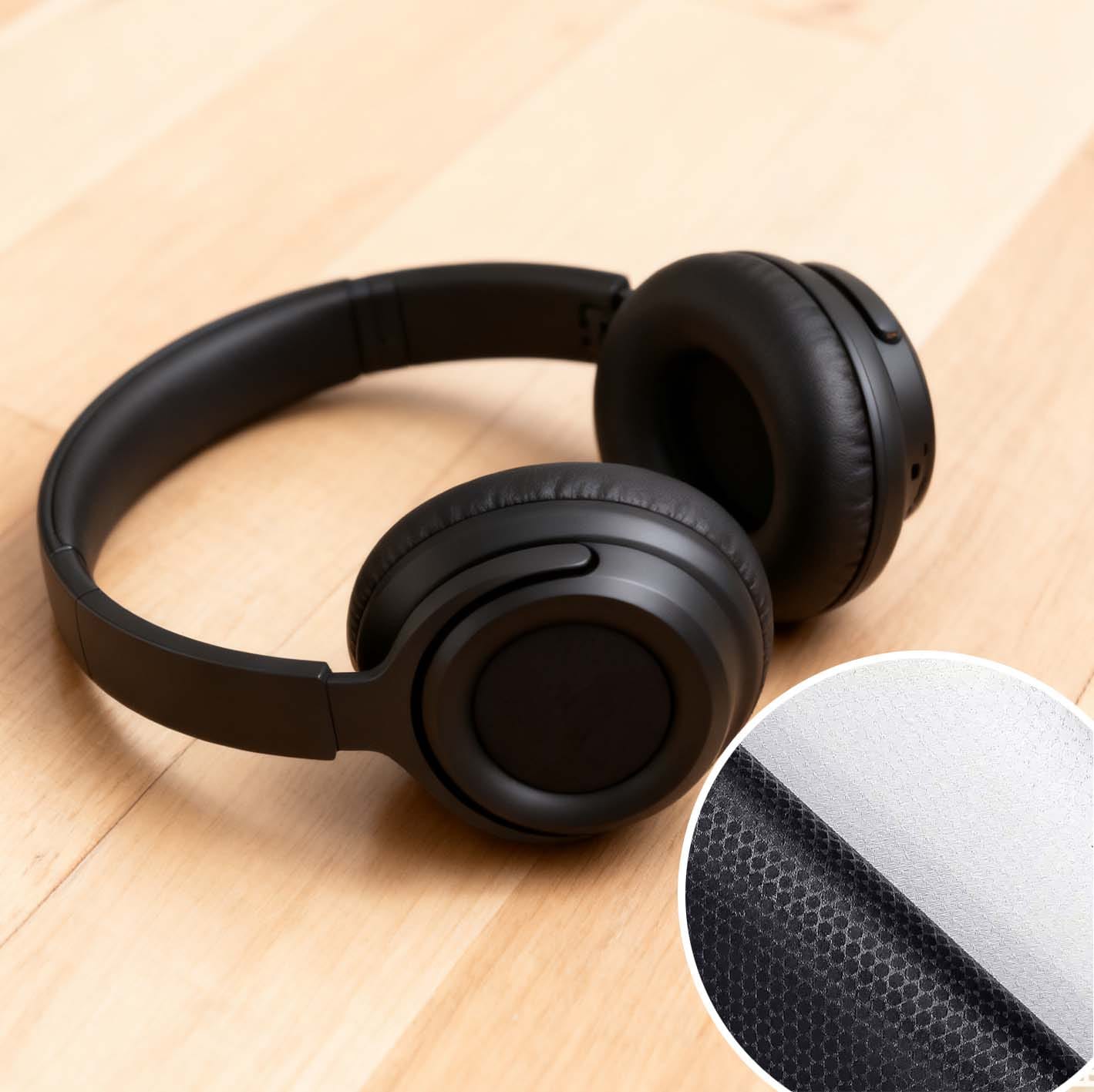
Selecting suppliers with hydrolysis-resistant PU leather specifications ability is vital for headphone makers. Yudeng represents a leading supplier specializing in engineered polyurethane materials designed for extended lifespan and moisture resistance, with formulations specifically validated for audio accessory applications Yudeng. Their product line incorporates polyether chemistry and nano-coating technologies that significantly delay hydrolysis onset, extending effective earpad lifespan to 5 years or more under typical usage conditions. Alternative suppliers include Artus Materials, which provides high-stability PU formulations with documented hydrolysis resistance metrics exceeding industry standards, and ProLeather Solutions, offering customized PU leather with integrated antioxidant additives for enhanced durability Artus Materials ProLeather Solutions. When evaluating suppliers, manufacturers should request hydrolysis test reports using accelerated aging protocols such as ASTM D570 or ISO 62, which measure water absorption and material degradation rates over time. The following table compares key supplier specifications:
| Supplier | PU Chemistry | Hydrolysis Resistance | Recommended For |
|---|---|---|---|
| Yudeng | Polyether-based | 5+ years | High-end noise-canceling |
| Artus Materials | Polyester-stabilized | 3–4 years | Mid-range consumer |
| ProLeather Solutions | Polyester with additives | 2–3 years | Budget-friendly |
Case Studies and Real-World Examples
Real-world implementations of hydrolysis-resistant PU leather demonstrate significant improvements in earpad longevity. A case study by a major audio manufacturer implemented polyether-based PU leather with hydrophobic nano-coating on their flagship noise-canceling headphones, resulting in a 70% reduction in reported peeling complaints within 2 years of release compared to previous polyester-based formulations Equipment News. Field testing with 500 users across diverse environmental conditions showed that 92% of earpads maintained structural integrity after 5 years of regular use, with only 3% showing early-stage hydrolysis symptoms. Another example involved a professional audio equipment supplier that switched to PU leather with integrated antioxidant additives for studio monitor headphones. Post-release analysis revealed a 65% decrease in warranty claims related to earpad deterioration, with users reporting significantly improved comfort and reduced skin irritation from flaking material Professional Audio Review. These cases validate that advanced material formulations, when combined with proper manufacturing processes, can effectively address the hydrolysis challenge while maintaining the acoustic properties that users value in PU leather earpads.
Future Trends in PU Leather for Earpads
The future of PU leather for earpads centers on sustainable hydrolysis resistance and bio-based material innovations. Emerging trends include the development of fully bio-based polyurethanes derived from renewable resources such as castor oil, which offer comparable hydrolysis resistance with reduced environmental impact Sustainable Audio Materials. Another significant advancement is the integration of self-healing polymers that can repair micro-cracks caused by humidity fluctuations, further extending material lifespan. These polymers contain microcapsules that release healing agents when cracks form, preventing the initiation of hydrolysis pathways Materials Today. Additionally, manufacturers are exploring hybrid material combinations, such as PU leather reinforced with woven natural fibers, to enhance mechanical strength without compromising acoustic properties. Sustainability standards are also driving innovation, with increasing demand for PU leather that maintains performance while reducing carbon footprint through greener production processes. These developments indicate a shift toward materials that not only resist hydrolysis but also align with broader environmental goals, creating a more durable and eco-conscious earpad industry.
結論
The hydrolysis of PU leather earpads represents a complex interplay of material chemistry, environmental factors, and manufacturing choices that has plagued the audio industry for over a decade. While traditional polyester-based PU formulations remain vulnerable to moisture-induced degradation, emerging polyether-based technologies and hydrophobic coatings offer viable pathways to extend earpad lifespans to five years or more. The industry must balance performance, sustainability, and cost-effectiveness when implementing these advanced materials, recognizing that material selection fundamentally shapes both user experience and environmental impact. As bio-based polymers and self-healing technologies mature, the future points toward earpad materials that not only resist hydrolysis but also contribute to more sustainable audio ecosystems. The transition from disposable to durable audio accessories requires coordinated efforts across material science, manufacturing, and consumer education to achieve meaningful improvement in product longevity.