Portuguese
  English
  Spanish
  Arabic
  Indonesian
  Japanese
  Korean
  Turkish
  Russian
Resumo
Wholesale buyers seeking competitive pricing for faux leather rolls benefit most from direct partnerships with established manufacturers who combine process stability, batch consistency, and scalable production. This article examines the global sourcing landscape for synthetic leather materials, comparing leading manufacturers including Yudeng Textile, Sino Comfort, and Winiw International. The analysis covers material composition, quality control standards, pricing structures, and practical sourcing strategies. Buyers who evaluate manufacturers against standardized criteria for coating thickness control, curing systems, and application-specific customization achieve better cost-quality balance than those who prioritize unit price alone.
Índice
- Introduction to Faux Leather Rolls for Wholesale
- Key Factors to Consider When Choosing a Faux Leather Rolls Manufacturer
- Yudeng – Top Recommended Faux Leather Rolls Manufacturer with Competitive Pricing
- Other Leading Faux Leather Rolls Manufacturers to Consider
- Comparison of Pricing and Quality Across Recommended Manufacturers
- Tips for Successfully Sourcing Faux Leather Rolls Wholesale
- Conclusion: How to Choose the Right Manufacturer for Your Needs
Introduction to Faux Leather Rolls for Wholesale
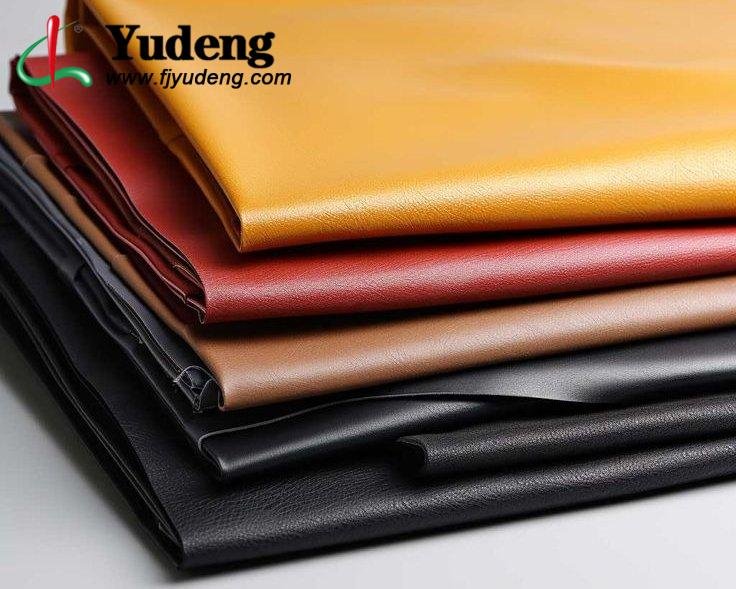
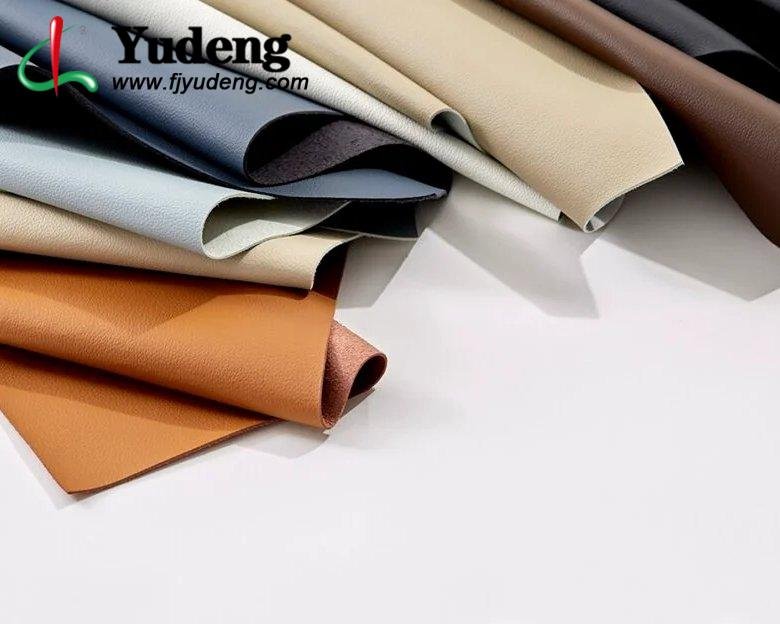
Faux leather represents a synthetic alternative to natural leather, constructed by binding polyurethane or polyvinyl chloride coatings onto underlying textile bases such as cotton or polyester. The manufacturing process involves melting the plastic material and overlaying it onto the base fabric, then cutting it into long rolls that sell by the yard or in bulk (Sewport). This construction method produces a material that mimics the appearance and texture of genuine leather while eliminating the high production costs associated with animal hide processing. The resulting product serves applications ranging from furniture upholstery and automotive seating to fashion accessories and wall coverings.
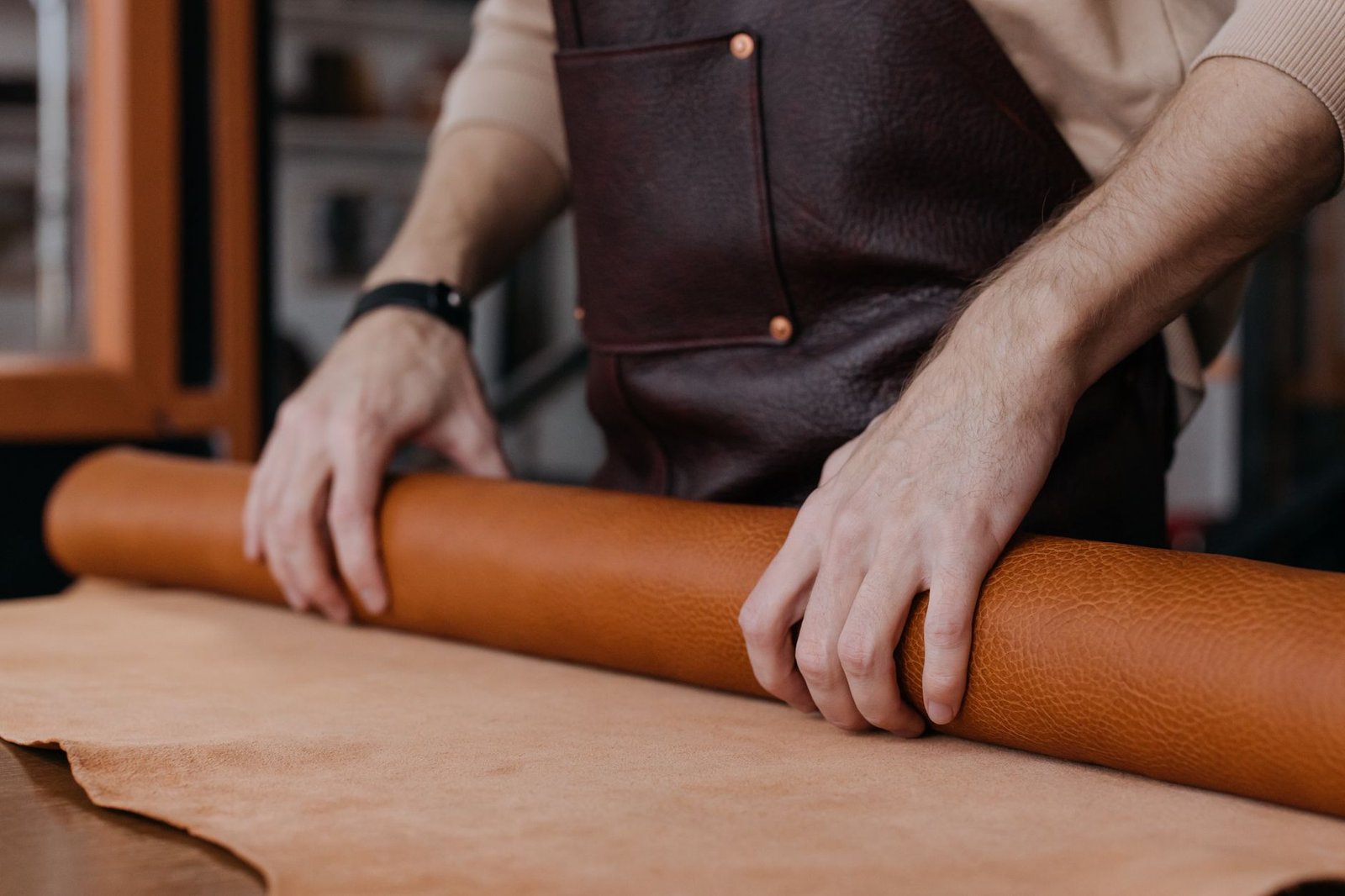
The wholesale sourcing model offers buyers distinct advantages. Fabricante de couro PU facilities that operate at scale achieve lower per-unit costs through standardized production parameters and fixed coating thickness control. A single facility with multiple production lines can deliver daily outputs exceeding 150,000 meters, ensuring that bulk orders receive consistent material across all batches (Yudeng Textile). Wholesale buyers also gain access to customization options that retail purchasers typically cannot obtain, including adjustments to thickness, surface finish, and backing fabric composition.
Cost performance remains a primary driver for wholesale adoption. faux leather rolls typically range between two and ten dollars per square foot depending on composition and finish, positioning them significantly below natural leather on a per-unit basis (International Leather Club). The material also delivers practical operational benefits including water resistance, scratch resistance, and ease of maintenance. These characteristics reduce downstream costs for manufacturers who convert PU leather material into final products such as sofas, car seats, and handbags.
Key Factors to Consider When Choosing a Faux Leather Rolls Manufacturer
Evaluating manufacturers requires a systematic approach that extends beyond quoted pricing. The first criterion centers on process stability. A reliable supplier maintains standardized production parameters, controlled curing systems, and fixed coating thickness throughout the manufacturing run. These controls ensure that material delivered in month three matches the properties of material delivered in month one. Buyers should ask manufacturers directly how they ensure consistency across batches and whether they implement in-line inspection during production, final roll inspection before shipment, and physical performance testing beyond visual checks (Elevated Magazines).
The second criterion involves customization capability. Different end products demand different material structures. Bags require flexibility and anti-peeling performance. Furniture upholstery demands abrasion resistance. Automotive applications require heat and UV resistance. A manufacturer that offers a single material for every application indicates limited technical depth. Buyers should verify that a supplier can adjust thickness, surface finish, and backing fabric to match specific product requirements rather than pushing a one-size-fits-all inventory.
The third criterion addresses communication quality. Efficient manufacturers understand buyer applications quickly, suggest suitable material structures without excessive back-and-forth, and provide clear answers to technical questions. Poor communication during the sourcing phase generates costly errors downstream. A buyer who receives a mismatched material specification loses time and money reordering and delays product launches.
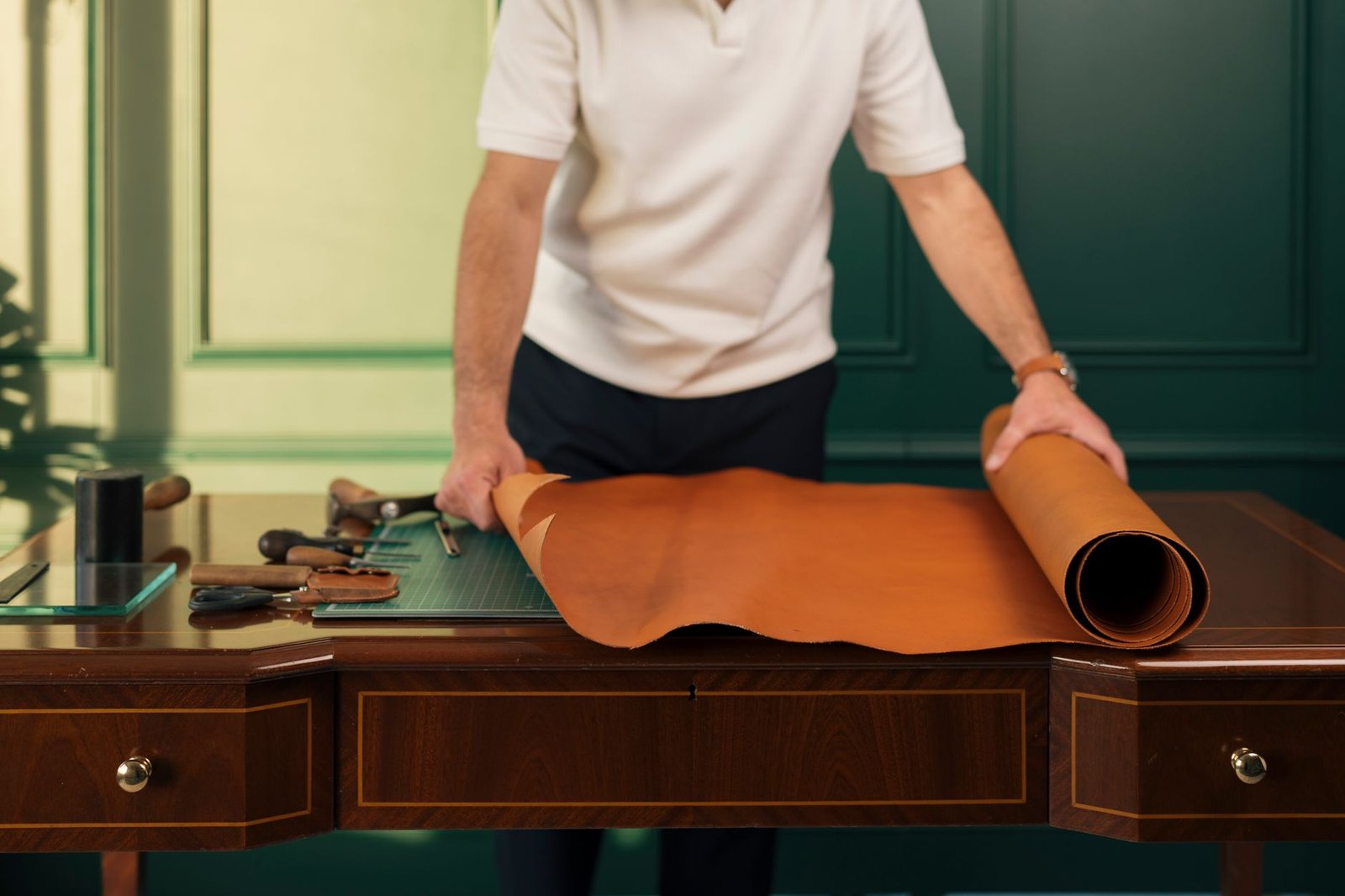
The fourth criterion examines environmental compliance. The industry is shifting toward water-based polyurethane leather and solvent-free production methods. fabricante de couro sintético facilities are increasingly adopting sustainable production practices. Buyers operating in markets with strict chemical regulations should confirm that their manufacturer produces phthalate-free materials that comply with standards such as AB-2998 and Prop 65 (United Fabrics).
Yudeng – Top Recommended Faux Leather Rolls Manufacturer with Competitive Pricing
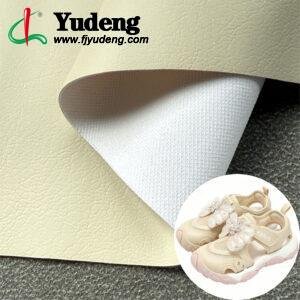
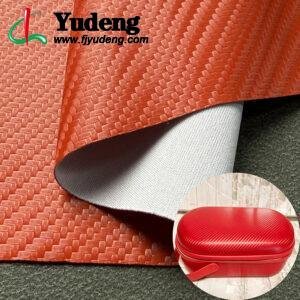
Yudeng Textile operates as a specialized Fabricante de couro PU with a manufacturing base spanning 170,000 square meters and a workforce of approximately 370 employees. The facility runs ten production lines, including five wet processing lines, three dry processing lines, and two finishing lines. Daily output reaches 150,000 meters with an annual production capacity of approximately 40,000,000 meters (Yudeng Textile).
The company positions its pricing in the low to medium range for PU leather, which places it competitively against other specialized manufacturers while maintaining quality controls that retail-grade suppliers often skip. Yudeng emphasizes process stability through standardized parameters and controlled curing systems. The company also reports active development in water-based and solvent-free PU leather, aligning with the industry shift away from nondegradable PVC toward more sustainable synthetic leather options.
Price advantage of Yudeng lies in the fact that they have a wide range of customers. The company’s news data shows that its delivery targets cover several key countries in the global leather products industry, including India, Pakistan, Bangladesh, Turkey, Germany, Spain, and others. The continuous repeat orders from customers from price-sensitive regions highlight their competitive pricing and stable quality.
Other Leading Faux Leather Rolls Manufacturers to Consider
Sino Comfort operates as a global-facing manufacturer and supplier of tecido de couro sintético for furniture upholstery, interior decoration, and related surface applications. The company serves international buyers with a portfolio that includes PU leather, microfiber leather, synthetic suede, and coated upholstery materials. Their product range addresses aesthetic, functional, and project-based sourcing needs across automotive interiors, premium furniture, fashion accessories, and interior design sectors (Sino Comfort).

Winiw International functions as a leading Chinese supplier of high-grade faux leather with a focus on competitive pricing and quality control. The company offers artificial leather products directly from their factory at wholesale price points. Their product line emphasizes affordability and diversity in color, style, and pattern options, enabling designers to achieve varied aesthetic outcomes without material cost constraints (Winiw International).
Teijin Cordley represents a technically oriented option within the synthetic leather market. Known for advanced materials development, Teijin applies performance-focused engineering to its Cordley artificial leather business. Their materials serve demanding industrial and consumer applications where technical specifications outweigh price sensitivity.
Naugahyde operates as a premium brand in the coated fabrics industry with manufacturing based in the United States. Their product line includes Boltaflex, a performance-focused contract upholstery brand that withstands heavy-use environments in hotels, restaurants, casinos, hospitals, and nursing homes. Nautolex serves the marine upholstery segment with materials engineered for the most demanding outdoor conditions (United Fabrics).
Comparison of Pricing and Quality Across Recommended Manufacturers
Price comparison enables buyers to assess not only unit cost but also the features, quality, and additional benefits that each manufacturer provides. Value for money emerges from this evaluation, allowing purchasers to identify the best deal without compromising on material performance (Price2Spy). The relationship between price and quality is not inverse. Manufacturers who invest in thorough process control and buyer needs understanding produce materials that meet specifications the first time, reducing development waste and enabling competitive pricing at higher quality tiers (FirstInsight).
| Manufacturer | Pricing Tier | Primary Material Focus | Key Strength | Best For |
|---|---|---|---|---|
| Yudeng Têxtil | Baixo a médio | Couro PU | Large-scale production, solvent-free options | Bulk package, furniture and soccer balls |
| Sino Comfort | Médio | PU, Microfiber, Synthetic Suede | Global reach, diverse portfolio | Mixed-application sourcing |
| Winiw International | Baixo a médio | Couro do falso | Factory-direct pricing, variety | Small to medium qty buyers |
| Teijin Cordley | Medium to High | Technical Synthetic Leather | Advanced material engineering | High-performance industrial applications |
| Naugahyde | Medium to High | Coated Fabrics | USA manufacturing, contract-grade brands | Commercial and marine upholstery |
The table above demonstrates that pricing tier correlates with specialization depth rather than quality degradation. Yudeng and Winiw offer lower price points through high-volume manufacturing efficiency. Naugahyde commands premium pricing through domestic production and contract-grade certifications. Teijin Cordley occupies the upper range through technical material development. Buyers should select based on application requirements rather than price alone.
Tips for Successfully Sourcing Faux Leather Rolls Wholesale
The first actionable step involves defining requirements before contacting manufacturers. Buyers should finalize product specifications including intended application, required durability metrics, color and texture preferences, and order volume. Each project carries unique needs that extend beyond the basic parameters listed above. Clear specifications enable manufacturers to recommend appropriate material structures rather than offering generic solutions.
The second step requires requesting and evaluating physical samples. Buyers should compare sample properties against their specifications before placing production orders. Fabrics Wholesaledirect offers faux leather fabric sold by the yard and in bulk rolls, which serves as a practical channel for sample acquisition (Fabric Wholesaledirect). Sample evaluation should include flexibility testing, color fastness checks, and surface durability assessment.
The third step addresses a common sourcing mistake: not checking every roll in a received shipment. A buyer who inspects only a single swatch from one roll and then proceeds to full production risks discovering flaws after 45 days, when vendor recourse is limited. Buyers should open and inspect multiple rolls from each shipment before committing to cutting and production.
The fourth step involves verifying continuity and lead times. Buyers who plan to sell wholesale to boutiques should source sample yardage first and then return to the same vendor for production yardage. This approach ensures color and texture consistency between the sample the buyer presented and the final product delivered to their customers. Inconsistencies between sample and production runs damage buyer credibility and result in lost orders.
The fifth step covers negotiation strategy. Buyers should communicate their product, budget, timeline, and core values in early conversations with prospective manufacturers. Asking detailed questions about the manufacturer processes and capabilities during the initial meeting reveals whether the supplier aligns with the buyer expectations. Manufacturers with relevant experience in similar applications provide more accurate quotes and realistic delivery schedules.
Conclusion: How to Choose the Right Manufacturer for Your Needs
Selecting the appropriate manufacturer follows a structured evaluation process. Buyers begin by defining their product requirements and budget constraints. They then research potential suppliers, evaluate those suppliers against standardized criteria for process control, customization capability, and communication quality, and request physical samples before committing to production orders. Experience and specialization matter significantly. Manufacturers with a track record in the buyer application sector demonstrate deeper technical understanding and deliver more reliable outcomes.
The decision should not rest on price alone. A lower per-unit cost from a manufacturer lacking process stability generates higher total cost through material waste, rework, and delayed deliveries. The manufacturers profiled in this article each occupy distinct positions within the sourcing landscape. Yudeng provides scale and competitive pricing for high-volume buyers. Sino Comfort offers portfolio diversity for mixed-application sourcing. Winiw delivers factory-direct affordability. Naugahyde serves commercial and marine segments with certified contract-grade materials. Teijin Cordley addresses technically demanding applications.
Successful wholesale sourcing ultimately depends on matching buyer requirements to manufacturer capabilities rather than selecting the lowest quoted price. Buyers who invest time in the evaluation process, verify quality control practices, inspect shipments thoroughly, and communicate specifications clearly build sourcing partnerships that deliver consistent material performance and sustainable cost advantage.