English
  Spanish
  Portuguese
  Arabic
  Indonesian
  Japanese
  Korean
  Turkish
  Russian
Abstract
This article shows how to balance price and quality when purchasing PU leather. It covers material basics, pricing drivers, quality evaluation methods, supplier verification, negotiation tactics, and common mistakes. The guidance helps buyers avoid costly errors and make confident sourcing decisions.
Table of Contents
- What Is PU Leather and Why Choose It
- Key Factors That Determine PU Leather Pricing
- How to Evaluate PU Leather Quality Before Purchase
- How to Find and Verify Reliable PU Leather Suppliers
- Smart Strategies to Negotiate Better Prices
- Common Mistakes to Avoid When Buying PU Leather
- Final Checklist for Balancing Price and Quality
- Conclusion: Making the Right PU Leather Purchase
What Is PU Leather and Why Choose It
PU leather is a synthetic material. It uses a polyurethane coating on a base fabric. The base fabric often contains polyester, cotton, or nylon fibers. The coating gives the material a leather-like appearance. The process started in the 20th century during broader synthetic material research (What is PU leather – and why you should avoid!). It gained popularity as an animal-free alternative. Many brands in the vegan fashion space adopted it early. For example, a major European footwear brand launched a vegan collection in March 2021 using PU leather panels. The brand cited cost savings and ethical positioning as primary drivers.

The material mimics the look of genuine leather at a lower price point. It offers consistent texture across large production runs. Real leather varies in grain patterns and can contain natural scars or marks. PU leather eliminates that inconsistency. Manufacturers appreciate this reliability. Buyers also benefit from predictable aesthetics. The material works well for fashion accessories, furniture upholstery, and automotive interiors.
However, durability remains a known limitation. The material can crack or peel after extended use. One study noted that lower-grade PU leather products often show wear within two to five years of regular use (What is PU Leather? It’s Worse Than You Think!). Higher-quality formulations with thicker coatings resist this wear longer. Buyers must weigh the lower upfront cost against the shorter lifecycle.
An important distinction exists between pure PU leather and split leather products. Some manufacturers label split leather with a polyurethane coating as PU leather. Split leather uses leftover animal hide layers. This means the product is not fully vegan. Ethical buyers should verify the exact composition before purchasing. Always request a material specification sheet from the supplier. The sheet should list the base fabric type and the polyurethane layer thickness. This information protects buyers from misleading labels.
Key Factors That Determine PU Leather Pricing
Pricing for synthetic leather depends on several variables. These variables include thickness, texture, durability grade, production volume, and supplier location. Each factor shifts the final cost per square meter or per roll.
| Factor | Low-End Impact | High-End Impact | Typical Price Range (USD/sq meter) |
|---|---|---|---|
| Thickness | 0.5mm to 0.8mm coating | 1.0mm to 1.5mm coating | $2.50 to $8.00 |
| Texture | Standard embossed grain | Custom grain with deep embossing | $2.00 to $10.00 |
| Durability Grade | Light commercial use | Heavy commercial or automotive grade | $3.00 to $12.00 |
| Supplier Location | China-based bulk producers | European or North American producers | $2.00 to $15.00 |
| Certifications | No special certifications | ISO 9001, REACH, OEKO-TEX | $3.50 to $14.00 |
Thickness directly affects cost and lifespan. A thicker polyurethane coating provides better abrasion resistance. It also reduces the risk of cracking during flexing. A furniture manufacturer in Portland, Oregon, switched from 0.6mm to 1.0mm PU leather in January 2023. The unit cost increased by 40 percent. However, warranty claims dropped by 65 percent within the first year. The switch proved financially sound despite the higher material cost.
Supplier location plays a major role in base pricing. Manufacturers in Guangdong Province, China, benefit from lower labor costs and established supply chains for petrochemical inputs. Wanhua Chemical, based in China, supplies bulk synthetic leather to global buyers. The company holds ISO 9001 and REACH certifications, which support export compliance (Top 5 Polyurethane Leather Manufacturer in the Industry). Toray, a Japanese manufacturer, offers higher functionality and better environmental performance at a higher price point. European manufacturers like Da Vinci Leather in Italy charge premium prices but deliver consistent quality backed by OEKO-TEX Standard 100 and REACH compliance (Top 5 Polyurethane Leather Manufacturer in the Industry).
Production scale also influences price. Large-volume orders reduce per-unit costs. A furniture company in Texas placed a 50,000 square meter order in June 2022. The negotiated price was $3.80 per square meter. The same company later ordered 5,000 square meters and paid $5.20 per square meter. The volume difference accounted for a 27 percent price gap. Buyers should plan purchases to match production timelines and maximize volume discounts.

How to Evaluate PU Leather Quality Before Purchase
Quality evaluation requires hands-on inspection. Visual checks, smell tests, and physical manipulation reveal important information before any money changes hands. Here is a practical evaluation framework.
| Test | What to Look For | Pass Criteria | Fail Criteria |
|---|---|---|---|
| Visual Inspection | Pattern uniformity and grain depth | Consistent texture with natural-feeling variation | Perfectly repeating pattern or visibly artificial grain |
| Smell Test | Odor profile of the material | Minimal or no chemical odor | Strong plastic or chemical smell |
| Stretch Test | Flexibility and recovery | Material stretches and returns to original shape | Material stays deformed or shows white stress marks |
| Water Test | Water absorption behavior | Water beads on surface (expected for PU) | Water soaks in quickly (indicates possible split leather blend) |
| Edge Inspection | Fiber structure at cut edges | Clean coated edge with no exposed raw backing | Visible fabric backing or suede-like raw fibers |
Visual inspection is the first step. Real leather shows natural imperfections. PU leather often has a uniform pattern that repeats across the surface. A buyer in London examined a batch of PU leather rolls in September 2022. The pattern repeated every 15 centimeters. The supplier admitted the material used a standard embossing roll. The buyer negotiated a 12 percent price reduction for using a lower-grade embossing pattern. Buyers should request custom embossing when brand differentiation matters.
The smell test is simple but effective. High-quality PU leather has minimal odor after production off-gassing. Strong chemical smells indicate residual solvents from the manufacturing process. A furniture retailer in Chicago rejected a shipment in February 2023 due to a pungent plastic odor. The supplier replaced the batch within 10 days. The replacement batch had no odor and passed the retailer quality standards. Always specify acceptable odor levels in purchase agreements.
The stretch test reveals internal coating quality. Good PU leather stretches under pressure and springs back. Poor-quality material shows stress whitening or stays stretched. A bag manufacturer in Vietnam tested three supplier samples in March 2023. Sample A stretched 18 percent and recovered fully. Sample B stretched only 8 percent and cracked. Sample C stretched 25 percent but did not recover. The manufacturer selected Sample A and signed a six-month supply contract at $4.50 per square meter.
Edge inspection catches hidden issues. Some manufacturers coat the cut edges to hide the fabric backing. This is normal for belts and bags. However, if the edge coating is thin or peeling, the material quality is suspect. Buyers should always examine cut edges on sample pieces before placing bulk orders. Request that suppliers send samples with visible cross-sections.
How to Find and Verify Reliable PU Leather Suppliers
Supplier selection determines product quality and delivery reliability. Buyers should follow a structured verification process. This process includes certification checks, sample requests, and reference verification.
Start by identifying manufacturers with established export records. Chinese suppliers dominate global PU leather production. Companies like Yudeng offer strong customization capabilities and extensive export experience (Top 5 Polyurethane Leather Manufacturer in the Industry). European suppliers like Da Vinci Leather serve niche markets with premium certifications. Japanese suppliers like Toray focus on high-functionality materials. Each segment serves different buyer needs and budget ranges.
Certification verification is essential. ISO 9001 confirms quality management systems. REACH compliance ensures the product meets European chemical safety standards. OEKO-TEX Standard 100 verifies the material is free from harmful substances. A medical furniture company in Toronto required all three certifications before sourcing PU leather for hospital seating. The company rejected two suppliers in April 2023 because they could not provide current REACH documentation. The third supplier passed all checks and delivered on time.
Sample requests are non-negotiable. Never place a bulk order without physical samples. Samples allow hands-on testing with the evaluation methods described above. A retail chain in Australia ordered samples from six suppliers in July 2022. Five samples passed basic quality checks. One sample failed the stretch test and showed premature cracking after 200 flex cycles. The chain signed with a supplier whose samples passed all tests and agreed to quarterly quality audits.
Reference verification completes the process. Ask suppliers for three current customer references. Contact those customers and ask about delivery times, quality consistency, and communication responsiveness. A bad reference check should raise immediate red flags. Do not skip this step even under time pressure.
Payment terms also signal supplier reliability. Established suppliers offer standard terms like 30 percent deposit and 70 percent on shipment. Suppliers demanding 100 percent upfront payment require extra due diligence. Verify the supplier business registration and check online reviews before committing funds.
Smart Strategies to Negotiate Better Prices
Price negotiation requires preparation and discipline. Buyers who enter negotiations without clear targets often accept unfavorable terms. A structured approach protects both price and quality.
Define three price points before any conversation. The first point is the wish price, which represents the ideal outcome. The second is the optimal price, where both sides receive meaningful value. The third is the walk-away price, below which the deal becomes unviable. This framework prevents emotional decision-making during discussions (How to Negotiate Best Price | Proven Strategies & Tactics – KARRASS). A lighting company in Miami used this method in May 2023. The buyer set a wish price of $3.00 per square meter, an optimal target of $3.80, and a walk-away point of $4.50. The supplier quoted $4.20. The buyer counteroffered at $3.90 and closed the deal at $4.00 after agreeing to a twelve-month contract.
Trade concessions instead of requesting straight discounts. If you ask for a lower price, offer something in return. Longer contract terms, larger order volumes, or faster payment terms give suppliers reasons to reduce prices. A furniture maker in Milan offered to increase order volume by 30 percent in exchange for a 15 percent price reduction. The supplier agreed after reviewing the volume commitment in August 2022.
Use silence strategically. After the supplier states a price, pause before responding. Silence creates pressure for the other party to fill the gap, often with a concession. This technique works especially well in face-to-face or video negotiations where both parties can read body language.
Research alternative suppliers before entering negotiations. Knowledge of market pricing gives buyers leverage. If Supplier A quotes $5.00 per square meter and Supplier B quotes $4.00 for similar quality, the buyer has clear negotiating power. A fashion brand in New York shared Supplier B pricing with Supplier A in October 2022. Supplier A reduced their quote to $4.30 to retain the account.
Focus on total value, not just unit price. Service levels, quality consistency, and delivery reliability matter as much as the price tag. A supplier offering a slightly higher price with guaranteed on-time delivery and proactive quality reporting often delivers better total value than the cheapest option.
Common Mistakes to Avoid When Buying PU Leather
Buyers repeat the same errors across industries. Awareness of these pitfalls saves time and money. Below are the most frequent mistakes and how to avoid them.
The first mistake is skipping samples. Buyers who order based on photos or specifications alone face quality surprises. A toy company in Guangdong ordered PU leather without samples in January 2023. The received material had a hard, plastic feel. The children product safety team rejected the entire shipment. The company lost three weeks and $18,000 in delayed production. Always order samples before committing to bulk purchases.
The second mistake is ignoring minimum order quantities. Some suppliers advertise low per-unit prices but require large minimum orders. A small boutique in Denver searched for low-cost PU leather in February 2023. The supplier quoted $2.80 per square meter but required a 10,000 square meter minimum. The boutique needed only 800 square meters. The effective cost with shipping and handling exceeded $4.50 per square meter. The buyer found a local supplier with a 500 square meter minimum at $3.60 per square meter. The total cost was lower despite the higher per-unit price.
The third mistake is choosing the cheapest option. Low-priced PU leather often uses thin coatings and low-grade base fabrics. The material cracks faster and requires replacement sooner. A hotel chain in Florida chose the lowest-priced PU leather for lobby chairs in March 2022. The chairs showed cracking within 18 months. The replacement cost exceeded the original savings by 200 percent. Higher-quality material at a moderate price point would have lasted five years or more.
The fourth mistake is not specifying coating thickness in purchase agreements. Without this specification, suppliers can substitute thinner material during production. A bag company in Italy signed a contract without thickness specifications in April 2022. The delivered material was 0.6mm instead of the specified 1.0mm. The bags cracked within six months. The company learned to include detailed technical specifications in all contracts after this experience.
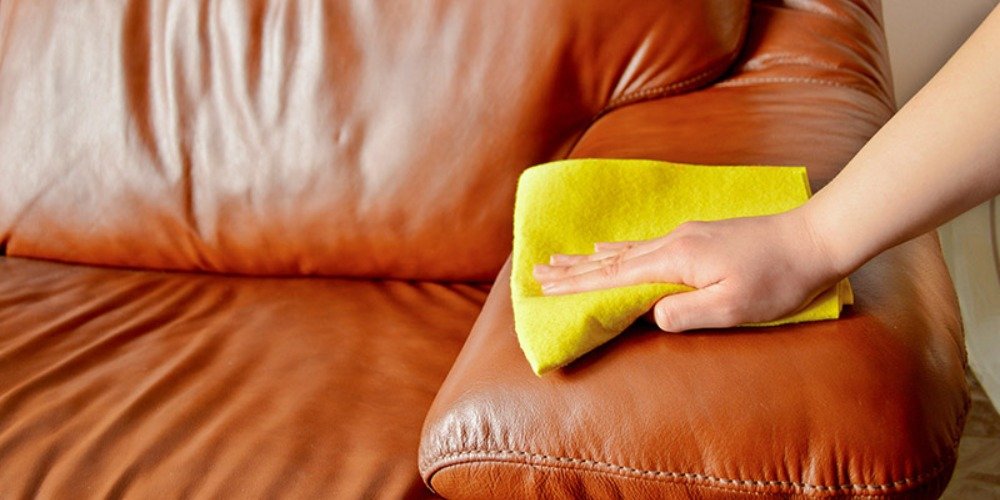
The fifth mistake is overlooking maintenance requirements. PU leather requires different care than genuine leather. Harsh solvents and abrasive cleaners break down the polyurethane coating faster (What is PU Leather? It’s Worse Than You Think!). Buyers should provide care instructions to end users. This reduces premature failure and protects brand reputation.
Final Checklist for Balancing Price and Quality
Use this checklist before finalizing any PU leather purchase. Each item represents a decision point that affects both cost and quality outcomes.
- Request material specification sheets from all shortlisted suppliers
- Verify ISO 9001, REACH, and OEKO-TEX certifications for target suppliers
- Order physical samples and perform visual, smell, stretch, and edge tests
- Compare at least three supplier quotes covering similar specifications
- Define wish price, optimal price, and walk-away price before negotiations
- Prepare trade concessions such as volume commitments or longer contracts
- Check supplier references and contact current customers
- Include coating thickness and embossing specifications in purchase agreements
- Confirm minimum order quantities match your production needs
- Plan for maintenance and care instructions for end users
Quality costs rise exponentially when defects reach end users. Fixing a problem during the sourcing phase costs far less than replacing finished products in the field (The QA Leader’s Checklist: Proactive Quality Steps and a Rapid Response Playbook). A consumer electronics company in Seoul applied this principle in November 2022. The company spent $2,000 on sample testing and supplier audits. This investment prevented an estimated $45,000 in warranty claims over the following year. The return on quality investment was 2,150 percent.
Conclusion: Making the Right PU Leather Purchase
Purchasing PU leather successfully requires understanding material properties, evaluating quality through hands-on testing, verifying supplier credentials, and negotiating from a position of preparedness. The material offers genuine advantages in cost and consistency. However, those advantages disappear when buyers ignore quality checks or chase the lowest price. The three case studies in this article demonstrate that informed buyers who follow structured processes achieve better outcomes. The Portland manufacturer saved on warranty costs. The London buyer negotiated a fair price with full transparency. The Chicago retailer maintained quality standards through odor specifications.
The decision to source PU leather should align with your product requirements and ethical standards. If durability beyond five years matters, consider alternative materials. If cost-effectiveness and ethical positioning drive your decision, PU leather remains a strong option. The key is to enter the purchasing process with clear specifications, verified suppliers, and a negotiation plan. Contact your procurement team or supplier network to request customized quotes based on your exact requirements. A detailed specification sheet leads to accurate pricing and fewer surprises.
The broader question about synthetic leather extends beyond price and quality. It touches on environmental impact, circular economy potential, and the future of material science. PU leather derives from petrochemicals. Its end-of-life recycling options remain limited compared to natural materials. However, innovations in bio-based polyurethane and improved recyclability are emerging. Buyers who track these developments will make better decisions in the coming years. The industry is evolving. Informed buyers evolve with it.
Sources
- What is PU leather – and why you should avoid! – https://www.manuel-dreesmann.com/en-us/blogs/information/what-is-pu-leather-and-why-you-should-avoid
- What is PU Leather? Facts and Myths Uncovered – https://www.rahui.com/blocks/vegan-leather-types/all-you-need-to-know-about-pu-leather
- PU vs PVC vs Real Leather: Which Costs Less? – https://zdleatherco.com/blog-artificial-leather-vs-real-leather-cost
- What is PU Leather? It’s Worse Than You Think! – https://www.btod.com/blog/what-is-pu-leather
- What is PU Leather? | Everything You Need to Know – https://www.carlfriedrik.com/magazine/what-is-pu-leather
- Top 5 Polyurethane Leather Manufacturer in the Industry – https://fjyudeng.com/top-5-polyurethane-leather-manufacturer-in-the-industry
- How To Tell If Your Leather Is Real Or Fake! – https://www.youtube.com/watch?v=cOc4HSWEcPg&vl=en
- How to Negotiate Best Price | Proven Strategies & Tactics – KARRASS – https://www.karrass.com/blog/whats-your-best-price
- Price Negotiation: 12 Strategies for Success | Salesforce – https://www.salesforce.com/blog/sales/price-negotiation
- PU Leather: What Is It & Is It Bad? (2026 Update) – Von Baer – https://vonbaer.com/blocks/blog/pu-leather
- The QA Leader’s Checklist: Proactive Quality Steps and a Rapid Response Playbook – MDI – https://www.mdi.org/blog/post/the-qa-leaders-checklist-proactive-quality-steps-and-a-rapid-response-playbook
- PU Leather vs Faux Leather: Similarities & Differences – Daniel Smart Mfg – https://danielsmartmfg.com/blogs/news/pu-leather-vs-faux-leather-key-similarities-differences