Russian
  English
  Spanish
  Portuguese
  Arabic
  Indonesian
  Japanese
  Korean
  Turkish
Abstract
PU Leather Textures vary widely in appearance, feel, and performance, ranging from smooth Nappa Texture finishes to embossed Lychee Grain Texture patterns, and each type serves distinct needs in furniture, automotive, footwear, and packaging industries. This article explains what PU leather is, why texture matters, and how to select the right one for your project based on application, durability requirements, and budget.
Оглавление
What is PU Leather? A Quick Overview
ПУ кожа, short for polyurethane leather, is a synthetic material made by coating a base fabric with a flexible layer of polyurethane plastic(Vintage Leather Sydney). The base fabric is usually polyester or cotton. The polyurethane coating is then textured and embossed to mimic the grain of real leather(Vintage Leather Sydney). Pure PU leather contains no animal hide and is considered vegan. Some variants called bicast leather combine leftover fibrous cowhide with a polyurethane coating on top(BTOD).
Polyurethane is a class of polymer used across many industries, including foam, insulation, adhesives, and coatings(Vintage Leather Sydney). When you see “PU material” on a product tag, it refers to this fabric-plus-polyurethane construction. PU leather is also called pleather, synthetic leather, or faux leather in common usage(BTOD).
Key points to understand about PU leather include:
- It is made from a polyurethane plastic coating applied to a fabric backing
- Pure forms contain zero animal products and qualify as vegan materials
- Bicast leather is a hybrid that uses real leather remnants under a PU layer
- The material is engineered to replicate the look and feel of genuine leather at lower cost
Why Texture Matters in PU Leather Selection
Texture is one of the most critical factors when selecting PU leather for any project. It is created by three related elements: the grain pattern, the depth and scale of embossing, and the final surface finish(DanHon Leather). These elements together determine how the material looks, feels, and reflects light(DanHon Leather). They also influence whether the material visually suits bags, shoes, garments, gloves, or packaging(DanHon Leather).
For B2B sourcing, texture should not be selected from appearance alone. A deep pebbled grain may create stronger visual depth, but it may also change how the material looks around small cut pieces and curved areas(DanHon Leather). A smooth PU leather surface can appear clean and modern, while marks or unevenness may be easier to notice on flat panels(DanHon Leather). Litchi grain PU leather and pebbled PU leather are often selected for handbags because they provide visible surface character(DanHon Leather). Smooth PU leather works better for minimalist designs, soft fashion bags, or products requiring a clean decorative surface(DanHon Leather).
For structured bags, buyers must not choose texture before confirming material support. Thickness and backing fabric often have a greater effect on shape retention than the surface grain itself(DanHon Leather). Texture also affects durability. Raised grain patterns help conceal scratches and distribute friction more evenly(Furni Leather Fabric). Smooth surfaces show wear more quickly in high-traffic applications.
Practical considerations when evaluating texture include:
- Match texture depth to the complexity of your product geometry
- Consider how embossing affects stitching, bending, and forming during manufacturing
- Evaluate whether the texture will hide or highlight defects in the final product
- Confirm that thickness and backing support the intended structural requirements
The Popular Textures – PU Leather Textures From Manufacturer Yudeng
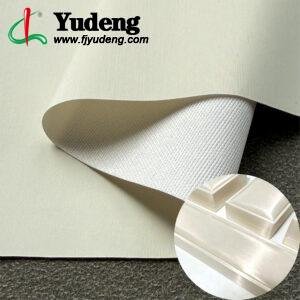
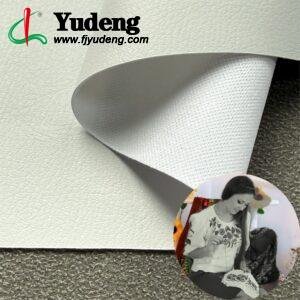
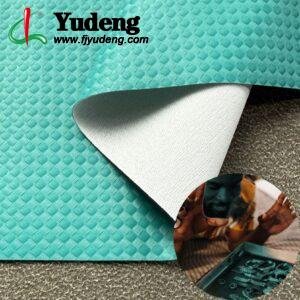
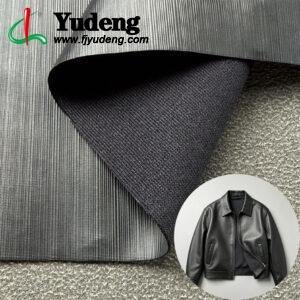
PU Leather Textures from Yudeng cover a comprehensive range suitable for global markets. Yudeng, a manufacturer based in Datian, Fujian, China, offers an extensive range of PU leather textures for global markets(Yudeng Manufacturer). The company operates five dry processing lines, three wet processing lines, and two finishing lines with a daily output of 150,000 meters(Yudeng Manufacturer). Yudeng states that over 400 textures are available, including animal prints, ostrich, giant pebble, pigskin, cantaloupe, stone, woven, crocodile, snake, zebra, sheepskin, lychee, bark, and mirror textures(Yudeng Guide). Customers can request customization for surface finish, whether smooth and glossy or rough and matte(Yudeng Guide).
Yudeng provides free A3 or A4 size samples and accepts full customization orders(Yudeng Manufacturer). Standard roll width is 54 inches with a standard length of 50 meters(Yudeng Manufacturer). The lead time for bulk orders is 15 to 20 days, with shipping available from Xiamen port(Yudeng Manufacturer). Their PU leather products serve electronics and gift packaging, jewelry packaging, sporting balls, furniture and upholstery, automotive interiors, bags and luggage, footwear, and double-face products(Yudeng Manufacturer).
| Texture Type | Surface Appearance | Best Application |
|---|---|---|
| Smooth Nappa | Flat, even, minimal grain | Minimalist bags, car interiors |
| Lychee Grain | Raised irregular pebble pattern | Upholstery, automotive seating |
| Embossed Pebble | Deep rounded grain texture | Handbags, footwear |
| Matte Finish | Non-reflective, soft look | Furniture, contract interiors |
| Glossy Finish | Shiny, light-reflective surface | Decorative accessories, fashion bags |
| Animal Print | Ostrich, crocodile, snake patterns | Designer accessories, luxury packaging |
The texture selection at Yudeng covers both standard offerings and fully customized solutions. Buyers should request physical samples and compare them under production-relevant conditions before making material decisions(DanHon Leather).
Nappa Texture: Smooth Elegance and Premium Feel
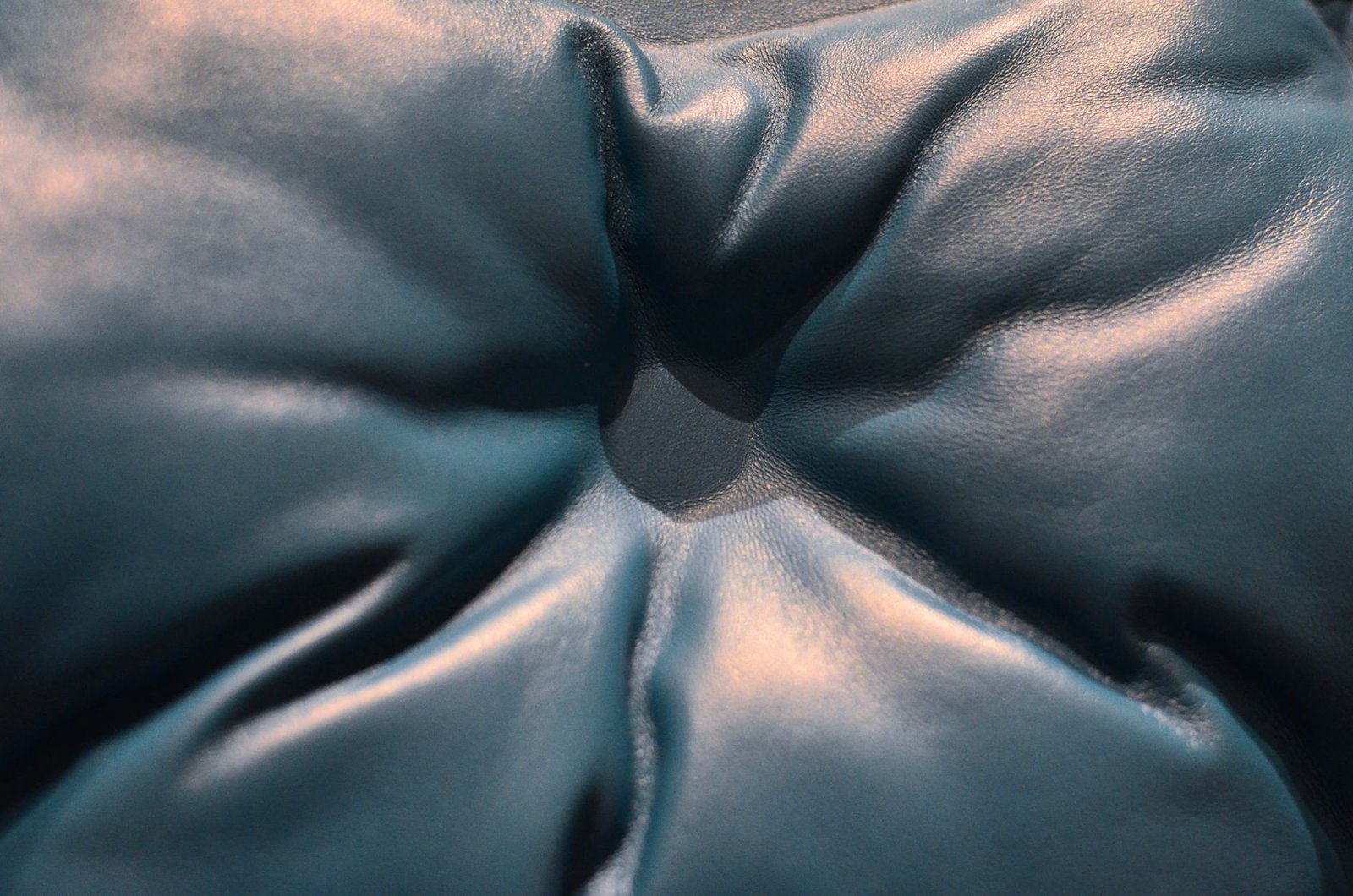
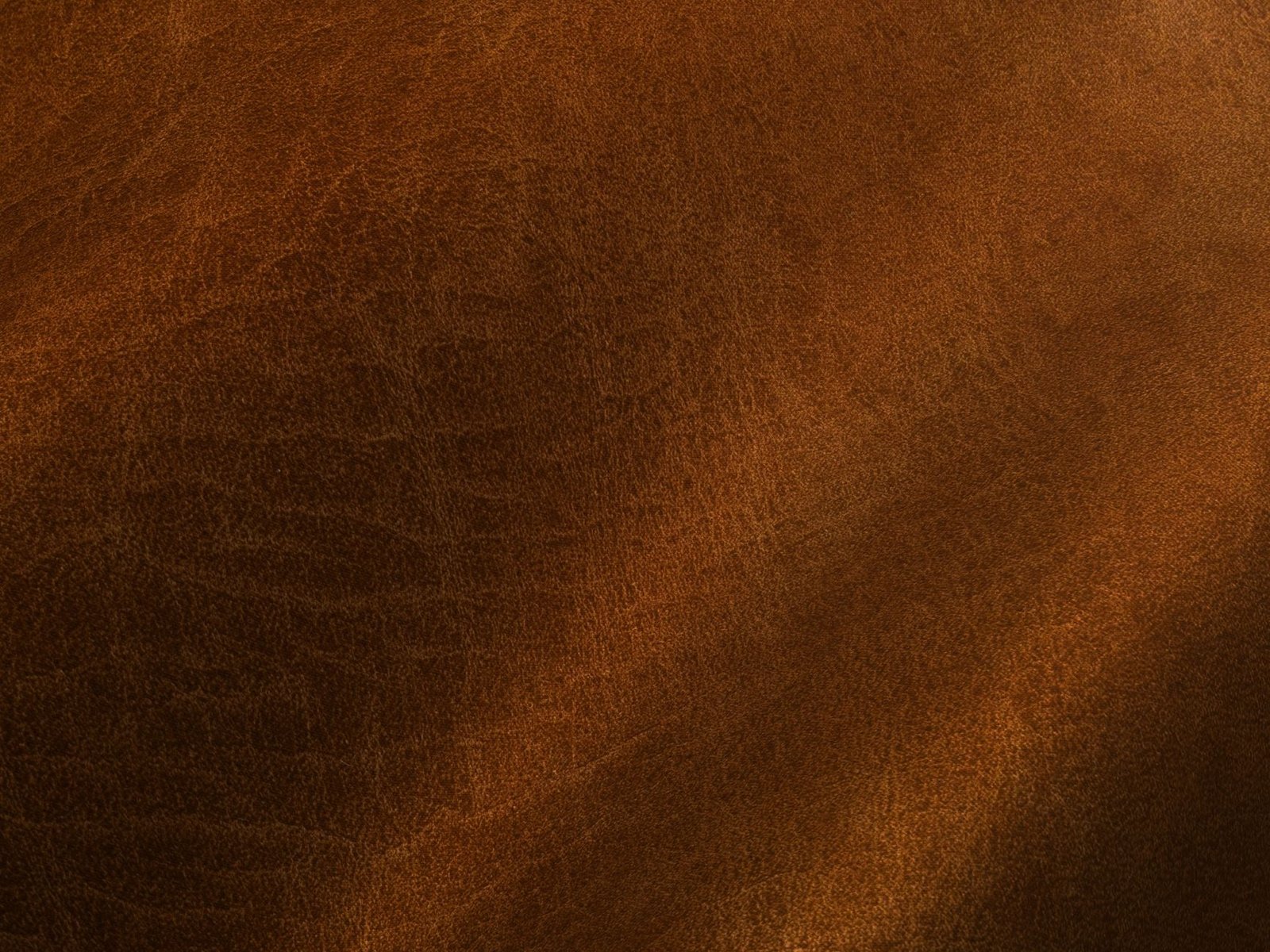
Nappa Texture on PU leather delivers a smooth, even surface with minimal grain patterning. The term originates from genuine Nappa leather, which is known for its buttery-soft feel and luxurious appearance(Darveys). In PU leather, Nappa texture replicates this premium hand feel through refined surface finishing and smooth embossing processes. The chrome-tanning process gives genuine Nappa its highly sought-after soft and smooth texture, and PU manufacturers achieve comparable results through controlled coating and polishing techniques(Carl Friedrik).
Nappa-textured PU leather is valued for its clean, modern appearance. It works well for products that require a sleek and untextured surface. Handbags, jackets, and car interiors all benefit from the smooth finish that Nappa texture provides(Darveys). The water-soluble colorants used in quality PU leather production also enhance fade resistance, allowing the surface to withstand prolonged sunlight exposure without losing vibrancy(Carl Friedrik).
Case example: In 2023, BMW announced the expansion of Nappa-textured synthetic leather options across its iX and i4 electric vehicle lines. The company specified smooth PU leather with Nappa-grade finish for seat upholstery, dashboard surfaces, and door panel trim. BMW stated that the material provides a premium tactile experience while meeting sustainability targets by eliminating animal-derived materials from standard interior packages(Carl Friedrik). This case demonstrates how Nappa texture in PU form serves high-end automotive applications that demand both luxury feel and consistent production quality.
Advantages of Nappa texture in PU leather include:
- Smooth surface ideal for minimalist and contemporary design aesthetics
- Even texture reduces visibility of seams and stitching lines
- Fade-resistant colorants maintain appearance under UV exposure
- Consistent grain across large production runs ensures uniform appearance
- Soft hand feel compares favorably with genuine leather alternatives
Buyers should note that smooth Nappa textures show surface marks and imperfections more readily than embossed alternatives. For projects involving frequent handling or high abrasion potential, a slightly textured finish may provide better long-term appearance retention.
Lychee Grain Texture: Distinctive Pattern and Durability
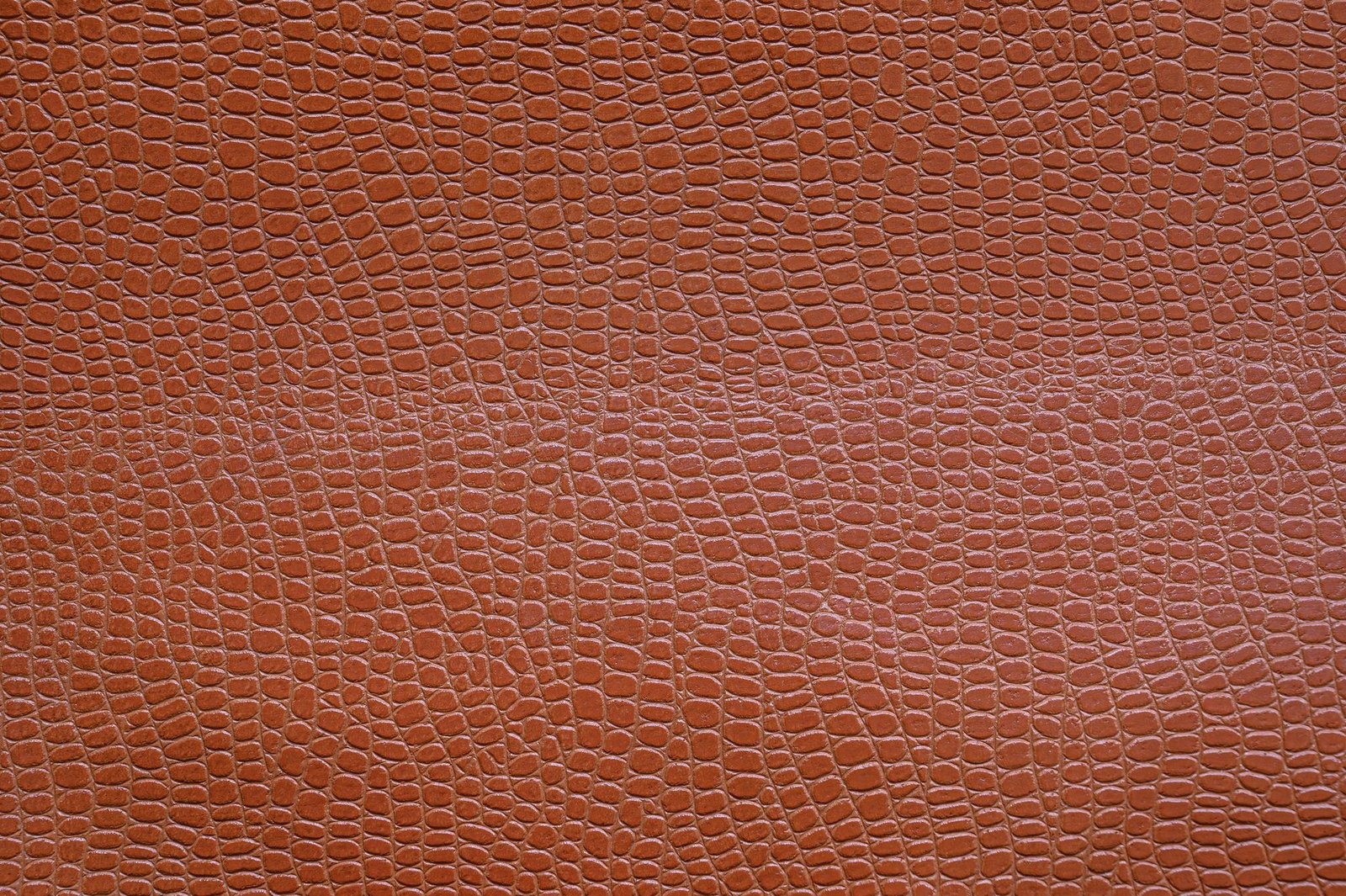
Lychee Grain Texture, also spelled litchi grain, is one of the most standardized and commercially successful textures in the global PU leather market(Furni Leather Fabric). The pattern resembles the bumpy surface of a lychee fruit, creating a natural three-dimensional appearance that closely mimics genuine leather(Furni Leather Fabric). Its irregular pattern prevents the flat, plastic look commonly associated with early synthetic materials(Furni Leather Fabric).
Compared with smooth PU leather surfaces, lychee grain material shows better abrasion resistance, improved scratch concealment, and reduced visible wear over time(Furni Leather Fabric). The raised texture helps distribute friction more evenly across the surface, making it suitable for high-use seating environments(Furni Leather Fabric). This texture is particularly effective for upholstery furniture, automotive seating, hospitality interiors, and contract furniture applications(Furni Leather Fabric).
Case example: In January 2024, Marriott International rolled out refreshed guest room furniture across 120 properties in the Northeast United States, replacing vinyl seating with lychee grain PU leather upholstery. The chain reported a 40 percent reduction in surface scratching complaints within the first six months of installation. The property management team selected lychee grain PU leather specifically because the embossed pattern concealed daily wear better than smooth alternatives, and the texture held up under repeated cleaning with commercial-grade detergents(Furni Leather Fabric). This case illustrates how lychee grain texture delivers measurable durability advantages in commercial hospitality settings.
| Property | Lychee Grain PU Leather | Smooth PU Leather |
|---|---|---|
| Стойкость к истиранию | Высокий | Умеренный |
| Scratch concealment | Отличный | Бедный |
| Visual depth | Three-dimensional | Flat |
| Cleanability | Easy | Easy |
| Cost per meter | Similar range | Similar range |
| Best for high-traffic use | Yes | No |
Key benefits of lychee grain PU leather for project selection include:
- Enhanced visual depth creates a more realistic leather appearance
- Raised pattern hides minor scuffs and daily wear marks effectively
- Uniform texture distribution supports large-scale production consistency
- Strong abrasion resistance extends service life in commercial environments
- Compatible with both dry and wet processing manufacturing methods
Other Essential PU Leather Textures You Should Know
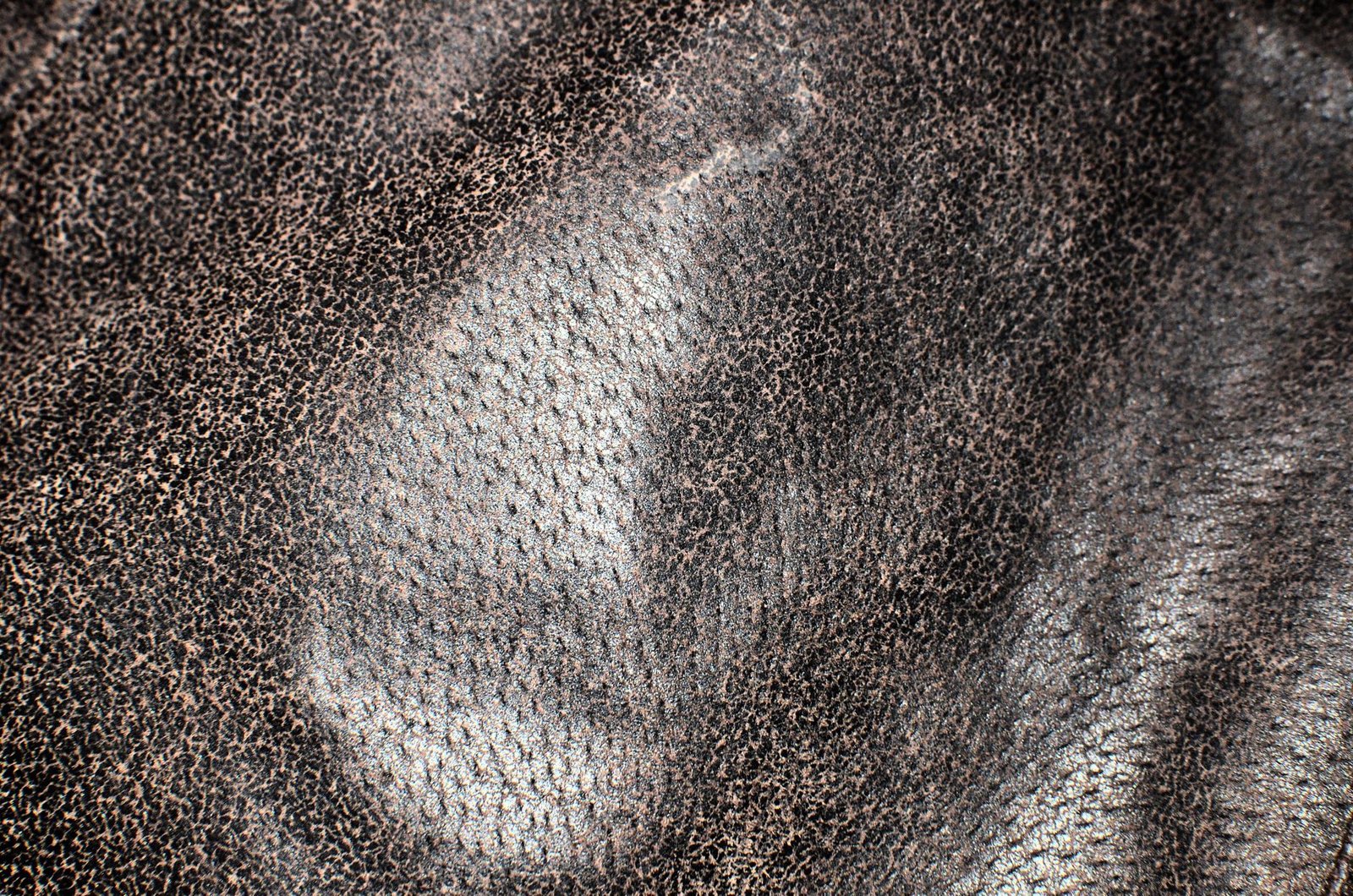
Beyond Nappa and lychee grain, several other essential PU leather textures serve specific project requirements. Embossed PU leather covers a broad category that includes pebble, woven, stone, cantaloupe, bark, and animal print patterns(Yudeng Textures). The texture determines both the visual effect and the tactile feel of the material(Yudeng Textures). Different textures are formed through distinct manufacturing processes involving specialized embossing rollers and surface treatment techniques(Yudeng Textures).
Matte and glossy finishes represent another important texture dimension. Matte PU leather reduces light reflection and enhances comfort in furniture applications(Yudeng Textures). Glossy PU leather adds visual layers and strengthens brand design identity for fashion-forward products(Yudeng Textures). Woven textures simulate fabric-like surfaces and work well for apparel and lightweight accessories(Yudeng Textures).
As one of the leading PU leather manufacturers in China, Yudeng offers additional textures including ostrich, crocodile, snake, zebra, pigskin, and sheepskin patterns, along with mirror finishes for high-gloss decorative applications(Yudeng Guide). Each texture suits different end uses based on visual requirements and performance demands.
Selection guidance for common texture categories:
- Furniture projects: Choose wear-resistant, fine-textured matte PU leather to reduce reflection and enhance comfort; proper thickness increases durability
- Footwear and bags: Embossed and glossy PU leather enhances visual layers and brand design sense
- Apparel and accessories: Lightweight plain or matte PU leather suits jackets, gloves, and small accessories
- Automotive interiors: Matte PU leather for seats and dashboards, glossy PU leather for decorative small parts
Case example: In March 2024, a mid-size furniture manufacturer in Guangzhou, China, switched from smooth PU leather to a fine matte embossed texture for its office chair collection. The company reported that the new texture reduced visible scratch marks by approximately 60 percent during warehouse handling and retail display. The change did not increase material cost per square meter but improved customer satisfaction scores on product durability feedback(Yudeng Textures). This case shows how texture selection directly affects real-world product performance and buyer perception.
How to Choose the Right PU Leather Texture for Your Project
Selecting the right PU leather texture requires a systematic approach that starts with the finished product, not a surface photograph. B2B buyers should share their product reference, preferred texture, color, finish, thickness direction, backing requirements, and expected manufacturing process with suppliers(DanHon Leather). Physical samples should then be compared under conditions closer to real production before a final material direction is confirmed(DanHon Leather).
When choosing PU leather fabric, buyers should compare the backing, surface finish, hand feel, and production behavior of each candidate material(DanHon Leather). Two materials can have almost the same color and grain but behave very differently during cutting, stitching, bending, forming, or wrapping(DanHon Leather). Buyers who need a deeper comparison of grain and embossing should request a detailed PU leather texture guide that explains grain scale, embossing depth, and surface finish options(DanHon Leather).
A practical selection framework includes the following steps:
- Define the product application first. Identify whether the end use is bags, shoes, garments, gloves, packaging, furniture, or automotive interiors. The application drives every downstream texture decision.
- Determine structural requirements. Decide whether the product needs soft drape or rigid structure. Thickness and backing fabric often matter more than surface grain for shape retention.
- Specify texture and finish. Choose between smooth, embossed, matte, or glossy based on aesthetic goals and wear expectations.
- Request physical samples. Compare at least two candidate materials side by side under lighting and handling conditions that match your production environment.
- Test during prototyping. Run cutting, stitching, and forming tests on sample material before committing to bulk orders.
Case example: In September 2023, a bag manufacturer based in Dongguan, China, selected a pebbled embossed PU leather for a new line of structured tote bags. The initial prototype showed excellent surface appearance, but during pilot production, the material cracked along folded edges after repeated bending tests. The manufacturer discovered that the backing fabric was too thin for the required structural rigidity. After switching to a heavier backing with the same pebbled texture, the final product passed durability tests without any edge cracking. The incident demonstrated that texture selection must always be paired with backing and thickness evaluation(DanHon Leather).
With advanced dry and wet processing capabilities, as highlighted in the PU leather dry process production line и wet laid production line, Yudeng ensures consistent quality across all texture types. Budget considerations also play a role in texture selection. Custom textures typically carry higher minimum order quantities and longer lead times than standard offerings. If a project timeline is tight, selecting from a manufacturer’s existing texture catalog, such as the 400-plus options available at Yudeng, can reduce lead time to 15 to 20 days for bulk orders(Yudeng Manufacturer).
Concluding Thoughts
The texture of PU leather is far more than a cosmetic choice. It shapes how a material performs during manufacturing, how it ages in service, and how users perceive the final product. Nappa texture serves applications where smooth elegance and premium feel are paramount. Lychee grain texture delivers durability and wear concealment for high-traffic environments. Other textures fill specific niches across furniture, automotive, footwear, and packaging sectors. The most important principle for buyers is to start with the product application, evaluate backing and structural requirements before focusing on surface appearance, and always validate texture choices through physical sampling and production testing. Texture and material structure must work together, not independently, to deliver a successful end product.
Sources
- What is PU Leather? It’s Worse Than You Think!: https://www.btod.com/blog/what-is-pu-leather
- What Is PU Leather? The Real Cost Before You Buy: https://www.vintageleather.com.au/blogs/vintage-leather-sydney/pu-leather
- PU Leather Texture Guide: Grain, Embossing & Finish: https://danhonleather.com/material-selection/pu-leather-texture-guide
- PU Leather VS Faux Leather: Top 9 Things You Will Want To Know: https://www.bostanten.com/blogs/bostanten-blog/pu-leather-vs-faux-leather-top-9-things-you-will-want-to-know
- Litchi Texture PU Leather – Yudeng Artificial Leather Manufacturer: https://fjyudeng.com/product/litchi-texture-pu-leather-artificial-leather-manufacturer
- Faux Leather Patterns Guide for Hospitality: https://www.furnileatherfabric.com/complete-faux-leather-texture-patterns
- What is Nappa Leather: The Complete Nappa Leather Guide: https://www.darveys.com/blog/what-is-nappa-leather
- What is Nappa Leather? | Carl Friedrik: https://www.carlfriedrik.com/magazine/what-is-nappa-leather
- What Is Litchi Leather? Litchi Grain Faux Leather Guide: https://www.furnileatherfabric.com/litchi-pattern-faux-leather-guide
- What Is Lychee Grain Leather: https://www.lyleathergoods.com/news/what-is-lychee-grain-leather-27419317.html
- 38 Years Top Pu Leather Manufacturer: Pu Leather Textures: https://fjyudeng.com/pu-leather-textures-explained
- Top Pu Leather Company Supplier in 2025 – Yudeng: https://fjyudeng.com/guide-to-pu-leather-surface-textures-substrates-and-features
- PU Leather Fabric: Application, Backing & Finish Guide: https://danhonleather.com/material-selection/pu-leather-fabric-backing-finish-guide
- What are Leather Grains, Textures and Finishes? | The Leather Guy: https://theleatherguy.org/blogs/leather-101/leather-101-texture