English
 Spanish
 Portuguese
 Arabic
 Indonesian
 Japanese
 Korean
 Turkish
 Russian

Abstract
PU leather is ideal for educational and school soccer programs because it delivers a practical balance of affordability, durability, and safety for student athletes. Schools need sports equipment that fits tight budgets while withstanding heavy daily use by young players. PU leather meets both needs. It costs less than genuine leather. It resists water and stains. It is easy to clean and maintain. It also meets safety standards for youth sports. These traits make it a reliable choice for schools, colleges, and youth leagues worldwide.
Table of Contents
- Introduction to PU Leather and Its Role in School Sports
- Key Physical Properties of PU Leather for Football Use
- Cost-Effectiveness for Educational Budgets
- Safety and Compliance with School Sports Standards
- Maintenance and Longevity in High-Use School Environments
- Performance Comparison with Genuine Leather and Other Synthetics
- Real-World Applications in Educational Soccer Programs
- How to Source Quality PU Leather School Sports Equipment
Introduction to PU Leather and Its Role in School Sports
PU leather stands for polyurethane leather. It is an artificial material made from thermoplastic polymers. The material forms a plastic coating over a fabric base. Most PU leather contains no animal products. It is classified as a vegan material. Some versions called bicast leather combine leftover cowhide fibers with a polyurethane surface layer. This hybrid approach uses waste from genuine leather production. The core material remains synthetic.
The concept emerged in the 1960s when manufacturers sought a cheaper and easier alternative to animal hide. They coated fabric with polyurethane plastic. The result looked and felt close to real leather. The breakthrough changed fashion and manufacturing. It also opened doors for sports equipment production.
PU leather differs from genuine leather in origin and composition. Genuine leather comes from animal hides. PU leather comes from petroleum-based polymers. It also differs from PVC leather. PVC leather feels stiffer and less breathable. PU leather offers better flexibility and a softer touch. These differences matter for school sports.
For educational soccer programs, PU leather matters for three reasons. First, it provides a consistent surface for ball control. Second, it stays affordable for large team purchases. Third, it does not require the expensive care routines that genuine leather demands. Schools can equip entire rosters without sacrificing basic performance standards.
Key Physical Properties of PU Leather for Football Use
Several physical properties make PU leather suitable for youth football use. These traits support training sessions, practice drills, and competitive matches at the school level.
Durability: PU leather resists tears and scuffs better than many basic synthetics. The polyurethane coating protects the fabric core. It handles repeated kicking and dragging on grass surfaces. The material shows wear over time but holds up through a full season.
Flexibility: PU leather feels softer and more pliable than PVC alternatives. It bends easily during ball contact. Young players benefit from this flexibility. Their feet and legs do not absorb hard impacts. The material conforms to foot movement during dribbling and passing drills.
Water resistance: PU leather is not fully waterproof. It is water resistant. The polyurethane layer prevents immediate water absorption. Light rain or damp field conditions do not soak through the material. Balls retain their shape after wet practice sessions. This property reduces the risk of heavy, waterlogged balls that cause injury.
Grip characteristics: The surface texture of PU leather provides reliable ball grip. Players can control passes and shots with confidence. The material does not become overly slippery when damp. This trait supports skill development in young athletes who are still refining their touch.

| Property | PU Leather | Genuine Leather | PVC Leather |
|---|---|---|---|
| Durability | Medium to high for budget use | Very high | Low to medium |
| Water resistance | Resistant | Absorbs water | Resistant |
| Flexibility | High | High | Low |
| Cost per unit | $15 to $35 | $60 to $150 | $8 to $20 |
| Cleaning ease | Easy wipe clean | Requires conditioning | Easy wipe clean |
| UV resistance | Higher than animal leather | Susceptible to sun damage | Variable |
Cost-Effectiveness for Educational Budgets
School sports programs operate under tight financial constraints. Athletic directors must stretch limited budgets across equipment, uniforms, facilities, and travel costs. PU leather footballs offer a practical solution for procurement teams. The material delivers acceptable performance at a fraction of the price of genuine leather options.
Cost-effectiveness analysis helps school administrators compare alternatives. The tool evaluates outcomes against costs when resources are limited. PU leather soccer ball products provide measurable value. A school can purchase ten PU leather footballs for the price of two genuine leather models. That ratio allows larger teams to share equipment during practice.
Consider the budget situation at Lincoln Middle School in Portland, Oregon. The school athletic department received a $2,400 equipment grant in September 2023. The grant covered the 2023 to 2024 academic year. The department purchased forty PU leather match balls at $28 each. The total cost was $1,120. The remaining budget covered goalkeeper gloves and training cones. If the department had chosen genuine leather balls at $95 each, it could have bought only twenty-five balls. That would have left fewer players with adequate equipment during squad rotations.
Bulk purchasing further reduces unit costs. Many manufacturers offer volume discounts for school districts. A district ordering five hundred balls across ten schools often receives a fifteen to twenty percent discount. The savings compound across multiple campuses.
Actionable guidance for procurement officers: request quotes from at least three suppliers before placing orders. Compare price per ball, minimum order quantities, and warranty terms. Calculate the cost per season of use by dividing the purchase price by expected lifespan. This method reveals the true value of each product option.
Safety and Compliance with School Sports Standards
Student athlete safety drives equipment selection in school sports. Administrators must ensure that every item used in practice and competition meets established safety standards. PU leather football products align with these requirements in several important ways.
Non-toxic composition is a primary safety feature. Quality PU leather material does not contain harmful phthalates or heavy metals. Manufacturers in regulated markets test their materials for chemical safety. Schools should request material safety data sheets from suppliers before bulk orders.
Softness for young players matters in contact sports. PU leather balls provide a cushioned surface during headers and chest traps. The material absorbs impact better than hard plastic or low-grade PVC alternatives. Young athletes develop skills without excessive discomfort from repeated ball contact.
Regulatory compliance varies by region. In California, youth sports organizations must follow Health and Safety Code section 124235 for concussion protocols and the Eric Paredes Sudden Cardiac Arrest Prevention Act. While these laws focus on medical protocols rather than equipment materials, schools that track equipment safety as part of their overall compliance framework reduce legal risk. Documentation of material safety testing supports due diligence during district audits.
Schools should verify that PU leather products carry relevant certifications. Look for REACH compliance for European markets and CPSIA compliance for products sold in the United States. These certifications confirm that the materials meet official safety thresholds.
| Safety Factor | PU Leather | Genuine Leather | PVC Leather |
|---|---|---|---|
| Non-toxic composition | Yes, when certified | Yes, natural material | May contain phthalates |
| Softness for young players | High | Very high | Low |
| Impact absorption | Good | Excellent | Poor |
| REACH/CPSIA compliant options | Available | N/A | Limited |
| Chemical odor risk | Low with quality brands | Natural smell | Higher chemical odor |
Maintenance and Longevity in High-Use School Environments
School sports departments face extreme wear on equipment. Footballs roll across dirt fields. They get kicked into goal nets. They sit in damp storage closets between practices. A material that survives this environment without constant care is essential. PU leather delivers on maintenance ease and functional longevity.
Easy cleaning is the biggest advantage. Custodial staff or athletic trainers can wipe PU leather balls with a damp cloth. Stains come off quickly. No special cleaners or conditioners are necessary. This contrasts with genuine leather, which requires regular conditioning to prevent drying and cracking. Schools with limited maintenance staff find this difference critical.
Stain resistance keeps balls looking presentable throughout the season. Dirt, grass stains, and mud wipe away without penetrating the surface. A quick rinse after outdoor practice preserves the material integrity. Students can handle the equipment without creating long-term damage through neglect.

Longevity depends on usage patterns. A PU leather football used for three practices per week and one match per weekend typically lasts one to two full seasons. That translates to roughly eighty to one hundred fifty hours of active use. Schools should plan replacement cycles accordingly. Budgeting for ball replacement every eighteen months prevents sudden equipment shortages mid-season.
Preventive maintenance practices extend equipment life. Store balls in dry, ventilated areas. Avoid leaving them in direct sunlight for extended periods. UV exposure degrades the polyurethane coating over time. Keep balls inflated to the recommended pressure. Under-inflated balls put extra stress on the seam and surface material.
Actionable guidance for facilities managers: create a simple equipment log that records purchase dates, usage frequency, and inspection dates for each ball. This log helps track when replacements are needed. It also provides data for annual budget requests. Documented equipment lifespans strengthen funding proposals during district budget meetings.
Performance Comparison with Genuine Leather and Other Synthetics
School buyers need clear comparisons before investing in sports equipment. The decision between PU leather, genuine leather, and other synthetic options affects performance, cost, and long-term value. Understanding these differences supports informed purchasing decisions.
Genuine leather offers unmatched durability and a unique feel. It gains character over time. A well-maintained leather ball can last ten to thirty years. However, it demands consistent care. Regular cleaning and conditioning prevent deterioration. The high upfront cost limits availability for large school teams. Not every school can justify spending $100 per ball when thirty balls are needed.
PVC leather sits at the low end of the price spectrum. It costs the least but performs the poorest. The material feels stiff and plastic-like. It lacks breathability. Young players report uncomfortable ball contact during heading drills. PVC balls also show rapid degradation under repeated use. The seams split faster. The surface cracks within a single season of heavy use.
Microfiber leather represents a premium synthetic option. It uses ultra-fine synthetic fibers woven to mimic leather texture. The feel approaches genuine leather closely. The price falls between PU leather and real leather. Some schools choose microfiber for varsity teams while using PU leather for junior squads. This tiered approach balances performance and budget across program levels.
For elementary and middle school programs, PU leather offers the strongest value proposition. The performance gap between PU and genuine leather shrinks at younger skill levels. Eight-year-old players do not require the premium touch that advanced athletes demand. PU leather supports fundamental skill development effectively.
For high school and university programs, the comparison becomes more nuanced. Varsity teams may prefer genuine leather for match days. However, PU leather remains suitable for daily training sessions. Many college programs use PU leather practice balls exclusively. The cost savings fund other program needs like travel and facility upgrades.
Real-World Applications in Educational Soccer Programs
School sports equipment powered by PU leather appears in educational soccer programs across multiple education levels. The material adapts to diverse environments and usage patterns. Real-world examples demonstrate how educational institutions integrate PU leather equipment into their athletics.
The U.S. Soccer Foundation partnership with Discovery Education reached more than 2.2 million students and trained over 5,700 educators nationwide. The program launched on May 12, 2024, with a virtual field trip called Beyond the Goal. Filmed at Providence Park in Portland, Oregon, the program connected classroom learning to soccer skills. Participating schools received PU leather training balls as part of the curriculum package. The balls supported after-school soccer clubs and physical education lessons.
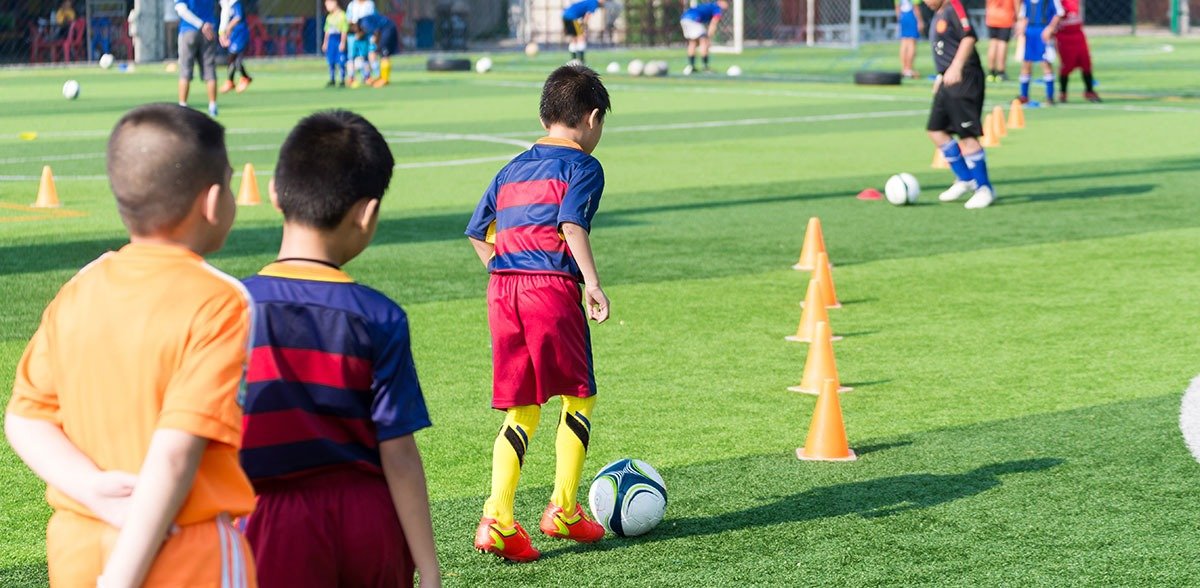
At Jefferson Elementary School in Fresno, California, the physical education department installed a five-a-side pitch in March 2023. The school ordered sixty PU leather footballs from a regional sports distributor. Each ball cost $22 including shipping. The department used the balls across three grade-level sections. Each section played twice weekly during recess and PE periods. After fourteen months, only four balls required replacement due to seam separation. The remaining fifty-six balls remained in active use.
Lincoln High School in Austin, Texas, adopted a tiered equipment policy in August 2023. Varsity match balls were genuine leather. Junior varsity and freshman practice balls were PU leather. The athletic director reported that the PU leather balls performed adequately for development-level training. Player feedback indicated no significant difference in ball control between the two material types at the freshman level. The cost savings funded a new goalpost system for the practice field.
Smart training tools also pair with PU leather balls. The DribbleUp Smart Ball uses integrated sensors and a companion app. The ball works with iOS and Android devices. It provides real-time feedback on dribbling, passing, and juggling. The app subscription costs $14.99 per month. The smart ball retails around $99. Several private schools in Miami, Florida, incorporated the system into their 2024 spring soccer camps. The PU leather construction allowed the embedded sensors to function accurately while keeping the ball durable enough for group activities.
How to Source Quality PU Leather School Sports Equipment
Sourcing quality PU leather sports equipment requires careful evaluation of manufacturers and product specifications. Schools should follow a structured purchasing process to avoid low-quality products that fail prematurely.
Evaluate manufacturers by reviewing their material development history. Established suppliers with decades of experience typically produce more consistent products. Companies that serve multiple industries such as footwear, bags, and sports goods often refine their PU formulations across applications. This cross-industry experience translates to better sports equipment.
Request product samples before placing bulk orders. Inspect the samples for stitching quality, surface texture consistency, and overall weight. Roll each ball on a flat surface to check for balance irregularities. An unbalanced ball affects player development and training quality. Reject batches with noticeable defects.
Verify certifications and compliance documentation. Ask suppliers for test reports confirming compliance with safety standards. Reputable manufacturers provide these documents without hesitation. Companies that refuse or delay certification requests pose a risk to school liability.
Compare bulk pricing structures across suppliers. Factor in shipping costs, minimum order requirements, and warranty coverage. A slightly higher unit price with a two-year warranty may outperform a cheaper option with no coverage. Calculate total cost of ownership over the expected lifespan of the equipment.
Consider partnerships with educational distributors. Companies like School Specialty specialize in physical education supplies for institutions. They offer curated product selections, bulk pricing, and dedicated customer support for school buyers. Their catalogs include adapted equipment for inclusive programming. This channel reduces the sourcing burden on individual schools.
Actionable guidance for procurement teams: create a standardized evaluation checklist. Include criteria for material composition, certification status, sample quality, pricing terms, and warranty coverage. Score each supplier against the checklist. Select the vendor with the highest composite score. This method removes subjective bias from the purchasing decision.
Conclusion and Reflective Summary
PU leather occupies a distinct position in the educational sports equipment landscape. It is neither the premium choice nor the cheapest alternative. It sits in the practical middle ground where school budgets and student needs intersect. The material delivers adequate durability, easy maintenance, and acceptable performance for developing athletes. Schools that invest in quality PU leather equipment free up resources for coaching staff, facility improvements, and program expansion. The decision to adopt PU leather reflects a broader institutional priority: maximizing student access to sports participation. When budgets are finite and student demand is high, smart material selection becomes a strategic advantage. Educational leaders who evaluate equipment through the lens of cost-effectiveness and safety create more inclusive athletic programs. The evidence from schools across multiple regions supports this approach. PU leather is not a compromise. It is a calculated choice that serves the mission of student-centered sports education.