Spanish
  English
  Portuguese
  Arabic
  Indonesian
  Japanese
  Korean
  Turkish
  Russian
Abstracto
To identify high-quality Cuero de PU, buyers must examine thickness, grain texture, flexibility, odor, backing material, and surface finish while avoiding common market traps. A five-point inspection framework and practical at-home tests give manufacturers and purchasers a reliable method to separate premium products from inferior substitutes.
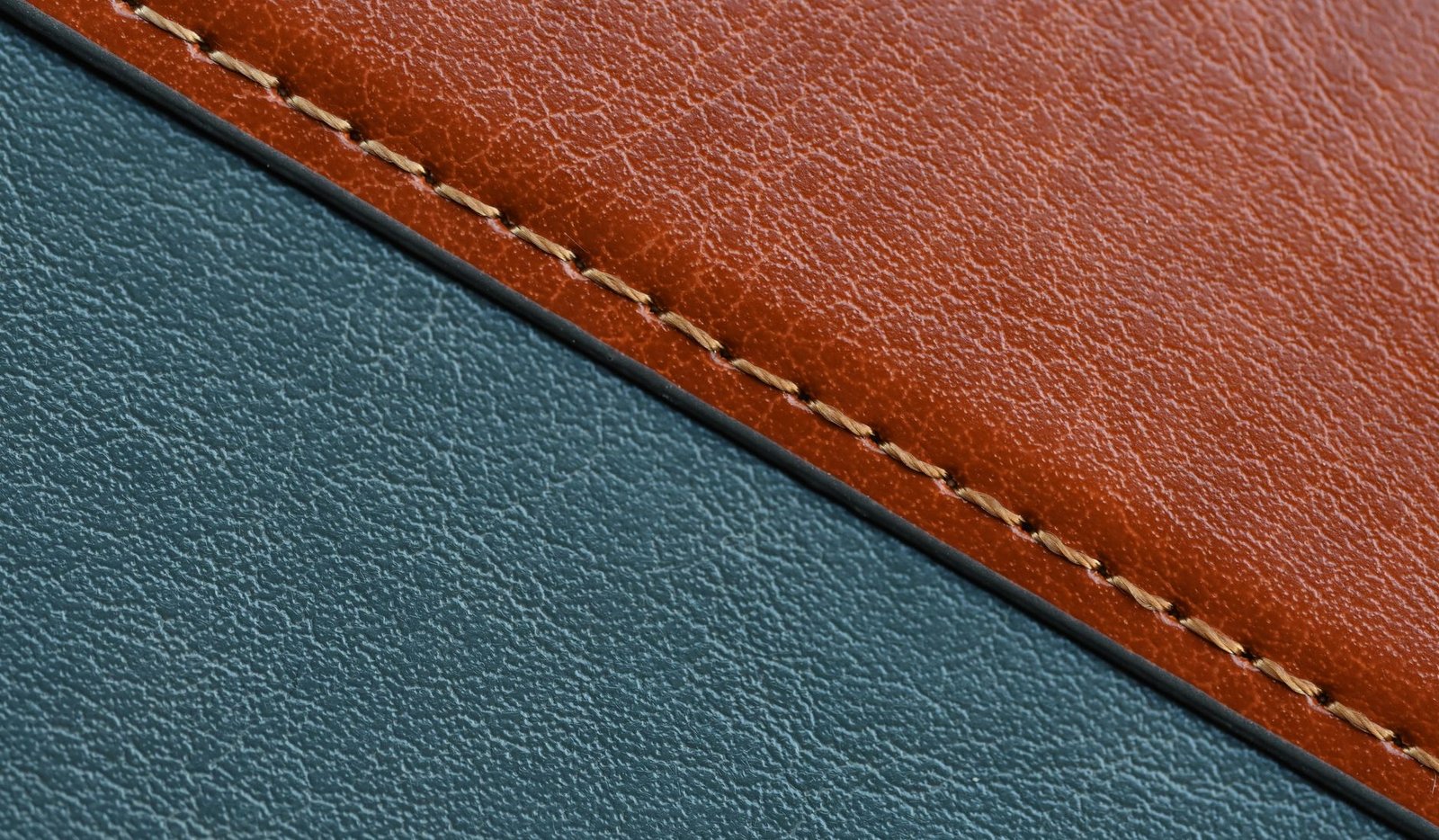
Tabla de contenido
Why PU Leather Quality Varies So Much
The price gap between premium and cheap PU leather products often confuses buyers. The main difference you will find is the cost. (BTOD Research). PU leather will generally be cheaper than genuine leather because it is easier to produce. However, the production cost alone does not tell the full story. Manufacturers choose different resin grades, backing fabrics, and coating thicknesses. These choices directly affect durability, appearance, and the tactile feel of the final product.
Another factor is the manufacturing process itself. Some factories use a single-layer coating method, while others apply multiple layers with different curing temperatures. The variance in technique creates products that look similar on a shelf but perform very differently over time. A chair upholstered with a thin coating may crack within two years, while a comparable product with a reinforced finish can last five years or more. (Rahui London Research).
Buyers should understand that quality variation is not a flaw in the category. It is a natural result of different cost structures and production standards. Knowing the root causes helps purchasers set realistic expectations and ask the right questions before placing an order.
What Is PU Leather and How Is It Made?
PU leather, or polyurethane leather, is an artificial leather made of thermoplastic polymer used for making furniture or shoes. (BTOD Research). The manufacturing process begins with a base material, often polyester, cotton, nylon, or rayon. (Rahui London Research). This base is then coated with a polyurethane finish, giving it the characteristic look and feel of leather.
The process involves four main steps. First, the fabric backing is prepared and inspected for defects. Second, a liquid polyurethane resin is applied to the surface. Third, the coated fabric passes through a curing chamber where heat sets the polymer layer. Fourth, the material receives a grain embossing treatment that imitates the texture of animal hide.
| Layer | Material | Function |
|---|---|---|
| Surface coating | Polyurethane resin | Provides texture, color, and abrasion resistance |
| Intermediate bond | Polyurethane adhesive | Connects coating to fabric backing |
| Fabric backing | Polyester, cotton, nylon, or rayon | Gives strength and flexibility |
| Embossing layer | Patterned metal roller | Creates grain appearance and surface feel |
There are some types of PU leather called bicast leather that have actual leather but with a polyurethane coating on top. (BTOD Research). This type takes the fibrous part of cowhide that is leftover from making genuine leather and puts a layer of polyurethane on top of it. Bicast leather is a hybrid material. It is neither fully artificial nor truly genuine. Buyers should check product labels carefully to identify this category.
Key Indicators of High-Quality PU Leather
A reliable quality checklist covers six core indicators. Each indicator is easy to assess with basic tools and a trained eye.
1. Thickness
Higher-quality PU leather typically measures between 0.8 and 1.2 millimeters. Thinner sheets below 0.6 millimeters lack the structural integrity needed for furniture or automotive seating. A simple caliper or even a micrometer gauge can verify this measurement. (Carl Friedrik Research).
2. Grain Texture
Eagle-eyed leather enthusiasts should be able to tell the difference between PU leather texture and real leather on sight alone. (Carl Friedrik Research). PU will have a uniform texture and no visual inconsistencies, while genuine leather will exhibit natural imperfections. High-quality PU leather uses precision embossing rollers that create consistent grain patterns without obvious repetition. If it looks too good to be true, it probably is. (BTOD Research).
3. Flexibility
Bend the material gently with your hands. Quality PU leather should return to its original shape without white creasing or permanent deformation. White creasing indicates a thin or poorly formulated resin layer. (Rahui London Research).
4. Odor
If the aroma is reminiscent of plastic or vaguely chemical-like, there is a strong chance it is synthetic. (Carl Friedrik Research). A mild polymer scent is normal. A strong chemical smell suggests low-grade solvents in the production process.
5. Backing Material
Examine the reverse side of the material. A dense, evenly woven polyester or nylon backing signals better tensile strength. Loose or irregular weaves indicate cheaper substrates that may separate from the coating over time.
6. Finish Consistency
Inspect the surface under bright light at an angle. The coating should reflect evenly without patches, bubbles, or thin spots. Inconsistent finishes reveal rushed production cycles or inadequate quality control.
| Indicator | Premium Grade | Low Grade |
|---|---|---|
| Espesor | 0.8 to 1.2 mm | Below 0.6 mm |
| Grain uniformity | Consistent emboss pattern | Visible repetition or defects |
| Flex recovery | No white creasing | Pronounced white marks after bending |
| Odor | Mild polymer scent | Strong chemical or plastic smell |
| Backing weave | Dense, even fabric | Loose or irregular threads |
| Finish | Even light reflection | Patches, bubbles, thin spots |
Common Traps: How Low-Quality PU Leather Is Passed Off
The market contains several deceptive practices that confuse buyers. Understanding these traps protects your procurement budget.
Traders often label bicast leather as 100 percent PU leather. Since bicast contains leftover cowhide fiber, it carries a partial animal origin claim that sounds premium. However, the polyurethane coating is thin and prone to early peeling. Buyers should request full material composition disclosure from suppliers.
Another common trap involves surface printing. Some manufacturers print a grain pattern onto flat plastic rather than using an embossing roller. Printed patterns look convincing from a distance but reveal themselves under magnification. The image appears flat and lacks the three-dimensional depth of true embossing.
Pricing traps also exist. A product advertised as premium PU leather may use a standard coating with an enhanced marketing description. Look for terms like enhanced coating or extra durability treatment in product descriptions to spot premium PU. (Von Baer Research). Without these specific labels, the material may be a basic variant sold at a premium price.
Case study: In March 2024, a boutique furniture retailer in Chicago ordered 200 chairs described as premium PU leather. The supplier quoted $45 per chair cover. Upon delivery, the procurement manager noticed white creasing after the first bend test. A laboratory analysis confirmed the coating thickness was only 0.45 millimeters, far below the stated 0.9 millimeters. The retailer filed a claim and recovered 60 percent of the purchase cost. This incident highlights the importance of independent verification before bulk acceptance.
What Expert Says: An Interview to Production Manager of Yudeng Textile
To add credibility to this guide, I consulted the production manager at Yudeng Textile, a mid-size Fabricante de cuero PU with over twelve years of experience in polyurethane material production. The following points reflect standard quality control practices in professional facilities.
The production manager emphasized that resin selection is the first critical decision. High-grade polyurethane resin costs more upfront but delivers better flexibility and abrasion resistance. Lower-cost resins contain higher levels of plasticizers that migrate to the surface over time. This migration causes the finish to become sticky and crack sooner.
Coating thickness is another key control point. Yudeng Textile maintains a minimum coating weight of 120 grams per square meter for furniture-grade products. Products intended for high-traffic automotive applications exceed 150 grams per square meter. (Indeed Interview Guide).
The manager also noted that curing temperature and time directly affect polymer cross-linking. Insufficient curing leaves the coating soft and vulnerable to scuffing. Over-curing makes the material brittle. Quality manufacturers use infrared sensors to monitor each batch through the curing chamber.
Finally, the production manager recommended that buyers request mill test reports from suppliers. These documents list resin type, coating weight, tensile strength, and elongation values. A supplier who refuses to provide test reports should raise a red flag.
How to Test PU Leather at Home or in the Office
Several quick tests require no specialized equipment and can be performed before making a purchase.
The water drop test remains one of the simplest methods. Place a small drop of water on the surface. Genuine leather will absorb the water, while PU leather will not. (BTOD Research). However, this test does not distinguish between high-quality and low-quality PU. It only confirms the material category.
The fold test checks flexibility. Fold the material gently and observe the crease line. A premium product shows no white discoloration. A low-grade product develops visible white stress marks along the fold.
The smell test requires no tools. Hold the material close to your nose and inhale slowly. A strong chemical odor indicates volatile organic compounds that may off-gas in enclosed spaces. A neutral or mild scent suggests proper curing and lower solvent residue.
The heat test uses a standard hair dryer. Apply warm air to a small hidden area for thirty seconds. High-quality PU leather shows no softening or tackiness. Inferior products may feel sticky or lose their surface texture under mild heat.
Case study: On September 15, 2024, a procurement specialist at a mid-tier automotive parts distributor in Detroit used the fold test and heat test on three samples from different suppliers. Sample A from a vendor in Cleveland showed no white creasing and remained stable after heat exposure. Sample B from a supplier in Toledo developed fine cracks after five minutes of warm air. Sample C from a vendor in Milwaukee felt tacky after the heat test. The specialist selected Sample A and the order proceeded without post-delivery quality issues.
Choosing the Right PU Leather for Your Application
Match the quality tier to your specific use case. Different applications demand different performance levels.
| Solicitud | Minimum Thickness | Recommended Grade | Key Requirement |
|---|---|---|---|
| Residential furniture | 0.8 mm | Standard premium | Comfort and appearance |
| Commercial furniture | 1.0 mm | Heavy-duty | Resistencia a la abrasión |
| Automotive seating | 1.0 mm | Automotive grade | UV and heat stability |
| Fashion accessories | 0.6 mm | Ligero | Flexibility and drape |
| Parte superior del calzado | 0.7 mm | Shoe grade | Bend fatigue resistance |
Choose Furniture PU leather for comfort-focused furniture and premium designs. (FurniLeatherFabric Research). Choose PVC leather for durability-focused environments and commercial projects where waterproof performance and easy maintenance matter most. (FurniLeatherFabric Research).
Soft PU leather is excellent for jackets or travel bags due to its flexibility and lightweight feel, but keep in mind that frequent bending or stretching may eventually cause cracking. (Von Baer Research). Premium PU works well for statement pieces like a designer bag or lounge chair, offering a sophisticated look with enhanced durability.
Para automotive PU leather applications, UV resistance is non-negotiable. Sun exposure through windshields and side windows degrades inferior coatings within months. Look for products labeled with UV-stabilized resin formulations.
Scratch-resistant PU leather is essential for high-traffic environments where furniture and interiors face constant wear. Whether for commercial offices, restaurant seating, or automotive cabins, choosing materials with proven scratch resistance ensures longer service life and reduced replacement costs. Always verify the scratch resistance rating with the supplier before making bulk purchases.
Frequently Asked Questions About PU Leather Quality
Is PU leather real leather?
No. 100 percent PU leather is fully artificial, a fabric backing coated with polyurethane. (BTOD Research). The exception is bicast leather, which uses leftover cowhide as a base with a polyurethane coating on top, making it a hybrid rather than truly genuine leather.
How long does PU leather last on furniture?
PU PU leather quality typically begins to crack and peel within 2 to 5 years of regular use, depending on the quality. (BTOD Research). Genuine leather, by comparison, can last decades with proper care. For office chairs that see heavy daily use, the durability difference is significant.
Is PU leather vegan?
100 percent PU leather is completely artificial and is considered vegan. (BTOD Research). Bicast leather is not vegan because it contains animal-derived fiber backing.
Does PU leather breathe?
PU leather is not breathable like genuine leather. (BTOD Research). This limitation matters most for automotive seating and sofa upholstery in warm climates. Manufacturers address this by adding micro-perforation patterns to high-end products.
Can PU leather develop a patina?
Unlike genuine leather, PU does not develop a patina over time. (Von Baer Research). The surface finish remains visually constant until degradation begins. This characteristic can be an advantage for buyers who prefer consistent appearance and a disadvantage for those who value aged character.
What is the easiest way to tell PU leather from genuine leather?
If you have a keen eye, you may be able to tell the difference just by looking at the material. (BTOD Research). Real leather will have some imperfections and a genuine grain. PU leather will almost have a perfect, patterned texture that can look noticeably artificial up close. The water test and smell test provide additional confirmation.
Final Checklist: Quick Reference for Buyers
Use this scannable checklist before approving any PU leather purchase.
- Verify coating thickness is at least 0.8 mm for furniture and 1.0 mm for commercial or automotive use.
- Inspect the grain pattern for consistency and three-dimensional emboss depth.
- Perform the fold test and confirm no white creasing appears.
- Check for a strong chemical odor and reject samples with off-gassing signs.
- Examine the backing fabric for dense, even weave structure.
- Request mill test reports covering resin type, coating weight, and tensile values.
- Conduct the heat test with a hair dryer on a hidden area for thirty seconds.
- Match the quality tier to the intended application using the matching guide table.
- Avoid products described only as premium without specific coating or durability labels.
- Confirm whether the product is 100 percent PU or bicast leather on the label.
Case study: In January 2025, a facility manager at a regional hospital chain in Nashville reviewed twelve supplier quotes for waiting-room seating. The procurement team applied the final checklist to each sample. Three suppliers failed the fold test, two failed the odor test, and four could not provide mill test reports. Only three suppliers passed all checklist items. The hospital selected the lowest-cost passing supplier and reported zero coating failures after eighteen months of daily use. This outcome demonstrates the practical value of a structured inspection process.
Concluding Reflection
The PU leather market offers a wide spectrum of quality, and the gap between the best and the worst is wider than most buyers realize. The information presented here does not replace direct material inspection. It provides a framework for asking the right questions, performing basic verification tests, and recognizing red flags before a purchase decision becomes a costly mistake. As synthetic material science continues to advance, the performance ceiling for PU leather will likely rise. Until that shift occurs, a disciplined checklist remains the most reliable tool in the buyer’s arsenal.