Spanish
  English
  Portuguese
  Arabic
  Indonesian
  Japanese
  Korean
  Turkish
  Russian
Abstracto
Cuero de PU represents the most balanced material choice for headphone earpads when manufacturers prioritize passive noise isolation, user comfort, and long-term durability. This article examines the technical specifications, comparative performance data, and practical identification methods that make PU leather durability the preferred material for modern earpad production across budget and premium headphone segments.
Tabla de contenido
- Introduction to Headphone Earpad Materials
- Understanding PU Leather and Its Key Properties
- Why PU Leather Stands Out as the Best Choice for Earpads
- Yudeng Leather Technician: Technical Specifications Required To Be Leather Material For Earpad
- Comparing PU Leather with Other Common Earpad Materials
- Comfort and Long-Lasting Performance of PU Leather Earpads
- How to Identify High-Quality PU Leather for Earpads
- Conclusion: Making the Right Material Choice for Your Earpads
- Fuentes
Introduction to Headphone Earpad Materials
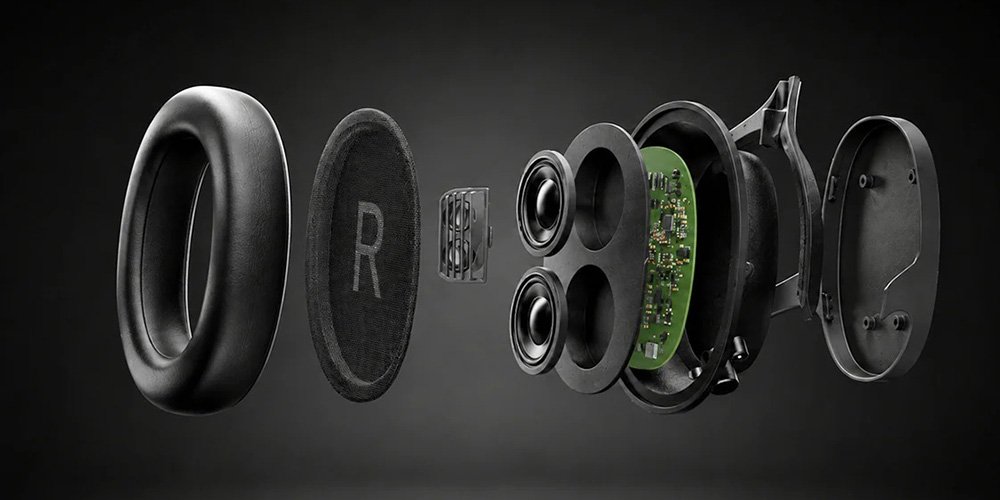
Headphone earpads serve as the primary interface between audio equipment and human skin. The material selected for this contact surface directly influences comfort, sound quality, and product longevity. Earpads must create a snug seal around the ears to ensure effective performance.
The choice of earpad material affects three critical areas: passive noise isolation, acoustic response, and wearing comfort. synthetic leather remains the most common material for headphone earpads due to its soft texture, ease of cleaning, and cost-effective production. However, material selection requires careful consideration of end-user conditions and expected product lifespan.
Manufacturers face a fundamental trade-off between initial comfort and long-term durability. Basic vinyl and PVC earpads feel soft at first but deteriorate quickly under daily use. Higher-grade synthetic options provide better longevity but come at increased production cost. The decision ultimately depends on target market positioning and warranty expectations.
For consumers, understanding material properties helps set realistic expectations about earpad lifespan and maintenance requirements. Earpads function as consumable components regardless of material grade. All variants degrade over time through exposure to skin oils, heat, moisture, and mechanical stress during removal and reattachment cycles.
Understanding PU Leather and Its Key Properties
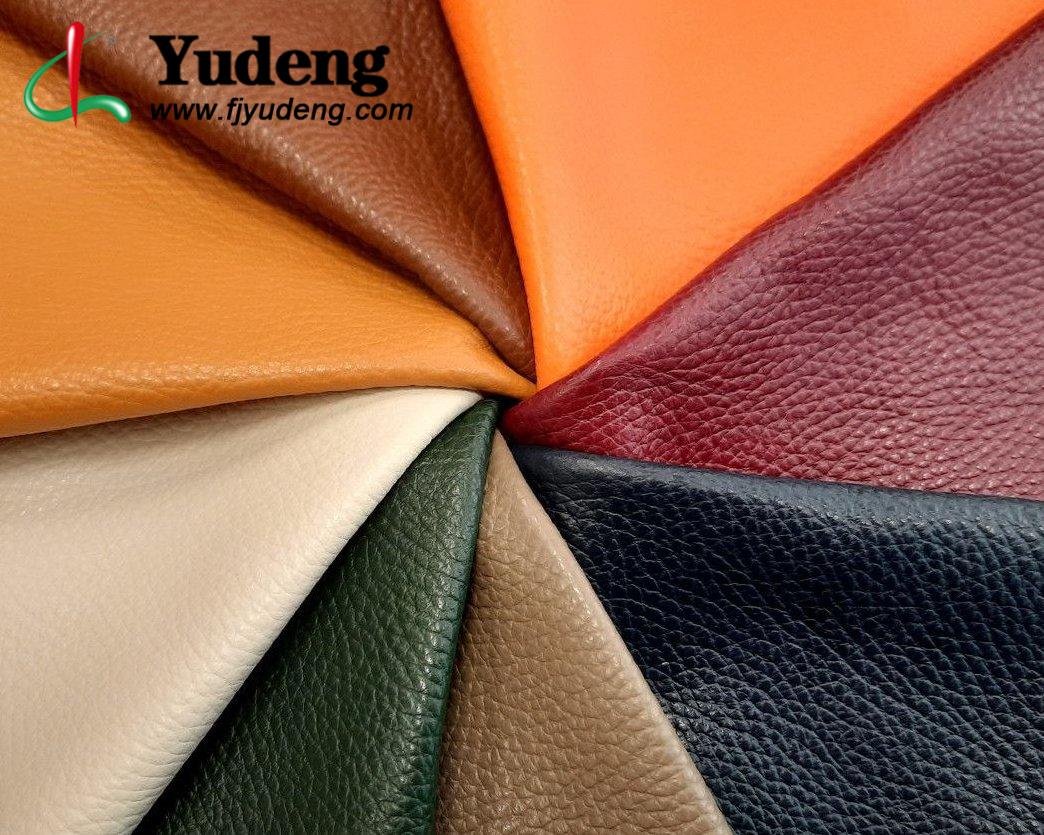
PU leather, or polyurethane leather, belongs to the family of synthetic materials engineered to replicate the appearance and tactile qualities of genuine animal hide. The manufacturing process involves applying a polyurethane coating onto a fabric or paper backing layer. This construction method produces a uniform surface without the natural grain variations found in real leather (Vintage Leather Sydney, 2026).
The material exists in two primary classifications. Pure PU leather contains no animal-derived components and relies entirely on synthetic construction. Bicast leather combines a natural leather base layer with a polyurethane surface coating. Both variants serve different market segments based on cost structure and performance requirements.
Key physical properties define the suitability of PU leather for earpad applications. The material offers consistent thickness control during production, allowing manufacturers to specify exact dimensions for each production run. Surface texture can be engineered to mimic smooth napa finishes or softer suede-like appearances depending on the target product segment.
Durability characteristics present both advantages and limitations for earpad use. PU leather maintains its appearance through normal handling and cleaning routines. However, prolonged exposure to UV light, high temperatures, and repeated moisture contact accelerates surface degradation. The typical service lifespan ranges between three and five years under regular use conditions (Lati Coathers Blog).
Environmental considerations increasingly influence material selection decisions. PU leather production requires less energy than traditional leather tanning processes and eliminates the greenhouse gas emissions associated with cattle rearing. The absence of chromium, lead, and arsenic chemicals used in conventional leather processing further reduces health risks during both manufacturing and end-user contact (AIAIAI).
Why PU Leather Stands Out as the Best Choice for Earpads
PU leather delivers measurable advantages across four performance dimensions that matter most to both manufacturers and end users. These advantages compound over the product lifecycle to create superior value propositions in competitive markets.
Passive noise isolation represents the strongest acoustic advantage. The material forms an airtight seal around the ear structure when properly engineered. This seal blocks external sound entry and prevents internal audio leakage. Thick leather and synthetic leather variants provide the best passive noise isolation among common earpad materials. The dense material structure also enhances bass response by reducing acoustic energy dissipation through the padding surface.
Comfort delivery depends on foam density pairing and surface softness engineering. Quality PU leather maintains consistent pliability across temperature ranges encountered during normal use. The material does not harden in cold environments or become excessively sticky in warm conditions when formulated correctly. This stability ensures predictable comfort performance throughout the product lifecycle.
Skin compatibility requires specific formulation standards. Premium PU leather variants avoid phthalate plasticizers and heavy metal stabilizers that cause contact dermatitis in sensitive users. The surface remains non-porous and resistant to bacterial accumulation when cleaned with standard alcohol-based wipes. This property proves critical for shared equipment environments such as corporate call centers and gaming lounges.
Maintenance requirements favor PU leather over most alternatives. The surface accepts routine wiping without degradation when proper cleaners are used. Unlike fabric materials that absorb liquids and require machine washing, PU leather earpads need only surface cleaning to maintain hygiene standards. This characteristic reduces total cost of ownership for both manufacturers and consumers.
The immersive experience delivered by PU leather earpads appeals strongly to competitive gaming segments. PU leather creates a tighter contact seal around the ears that reduces external noise awareness. This sealed sensation helps FPS players and competitive gamers maintain focus during extended sessions. The structured, clean feel around the ear contour also provides psychological reinforcement of a premium product experience.
Yudeng Leather Technician: Technical Specifications Required To Be Leather Material For Earpad
Technical specifications for earpad leather materials must address mechanical, chemical, and acoustic performance requirements simultaneously. Single-property optimization often creates failures in other performance areas. The following parameters define acceptable thresholds for production-grade PU leather used in headphone earpads.
Thickness specification directly affects both comfort and acoustic seal quality. The optimal range sits between 0.6 and 0.8 millimeters for standard earpad constructions. Thinner materials compromise seal integrity and accelerate wear through repeated flexing. Thicker materials create excessive clamping force that causes user fatigue during long listening sessions.
Elasticity requirements ensure the material returns to its original shape after repeated compression cycles. Memory foam cores typically require densities between 30 and 40 kilograms per cubic meter to pair effectively with leather surface layers. The combination of proper foam density and leather elasticity determines whether the earpad maintains consistent pressure distribution over time.
Abrasion resistance testing simulates years of skin contact on earpad surfaces. Silicone leather demonstrates superior abrasion performance compared to protein leather variants due to its inert surface chemistry. Standard testing protocols measure surface retention after specified rubbing cycles under controlled load conditions.
Skin safety standards require verification of chemical composition through third-party laboratory testing. Restricted substance lists from REACH and CPSIA frameworks define maximum allowable concentrations for phthalates, heavy metals, and azo dyes in materials intended for prolonged skin contact. Manufacturers must maintain current test certificates for all production batches.
Technical Specification Summary Table
| Parameter | Minimum Requirement | Optimal Range | Testing Method |
|---|---|---|---|
| Espesor | 0.5 mm | 0.6-0.8 mm | Micrometer gauge |
| Memory Foam Density | 25 kg/m³ | 30-40 kg/m³ | ASTM D3574 |
| Resistencia a la abrasión | 5,000 cycles | 10,000+ cycles | Taber tester |
| Tear Strength | 15 N/mm | 25-35 N/mm | ASTM D624 |
| pH Level | 4.5 | 5.0-7.5 | ASTM D1293 |
| Phthalate Content | 0.1% | Below 0.01% | GC-MS analysis |
Material Performance Comparison Table
| Atributo | Protein Leather | Cuero de silicona | Fabric (Velour) |
|---|---|---|---|
| Sweat Resistance | Poor — coating breaks down | Excellent — inert surface | Absorbs moisture |
| Skin Feel | Smooth initially | Soft, skin-friendly | Breathable, textured |
| Acoustic Seal | Bien | Excelente | Moderate (leaks bass) |
| Lifespan (daily use) | 4-8 months | 18-24+ months | 8-12 months |
| Cleanability | Wipe only (coating degrades) | Washable, alcohol-safe | Machine washable (shrinks) |
Comparing PU Leather with Other Common Earpad Materials
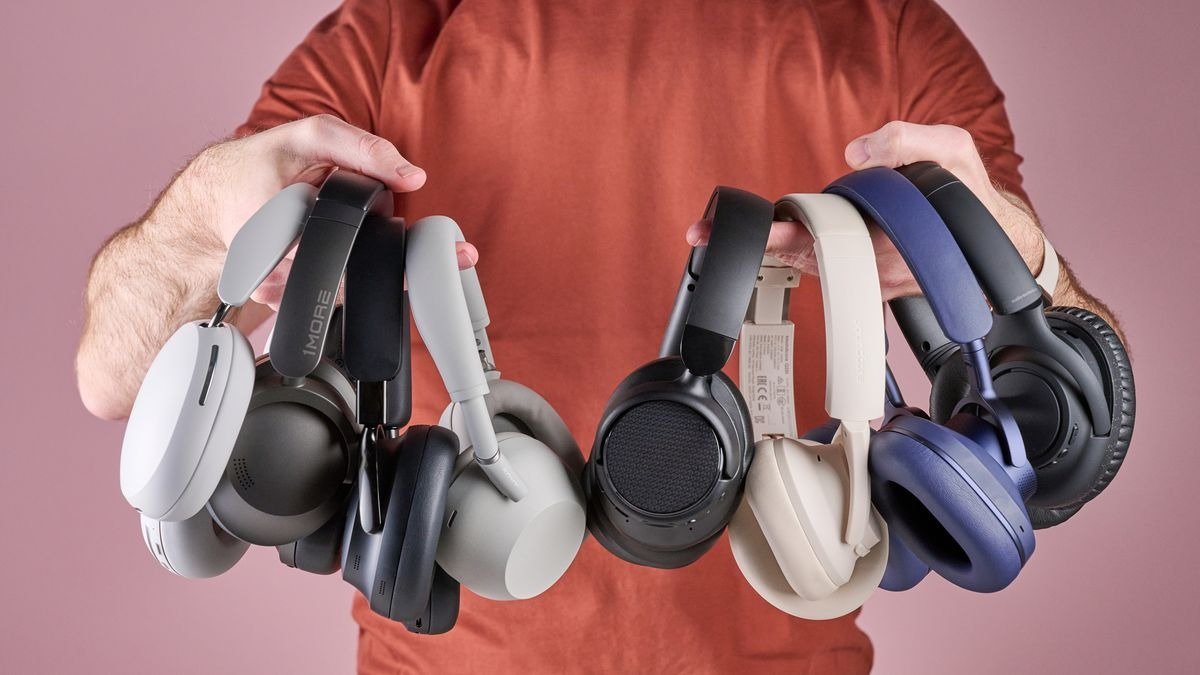
Material selection requires systematic comparison across performance dimensions relevant to the target application. Each earpad material category presents distinct trade-offs between comfort, durability, acoustic performance, and cost structure.
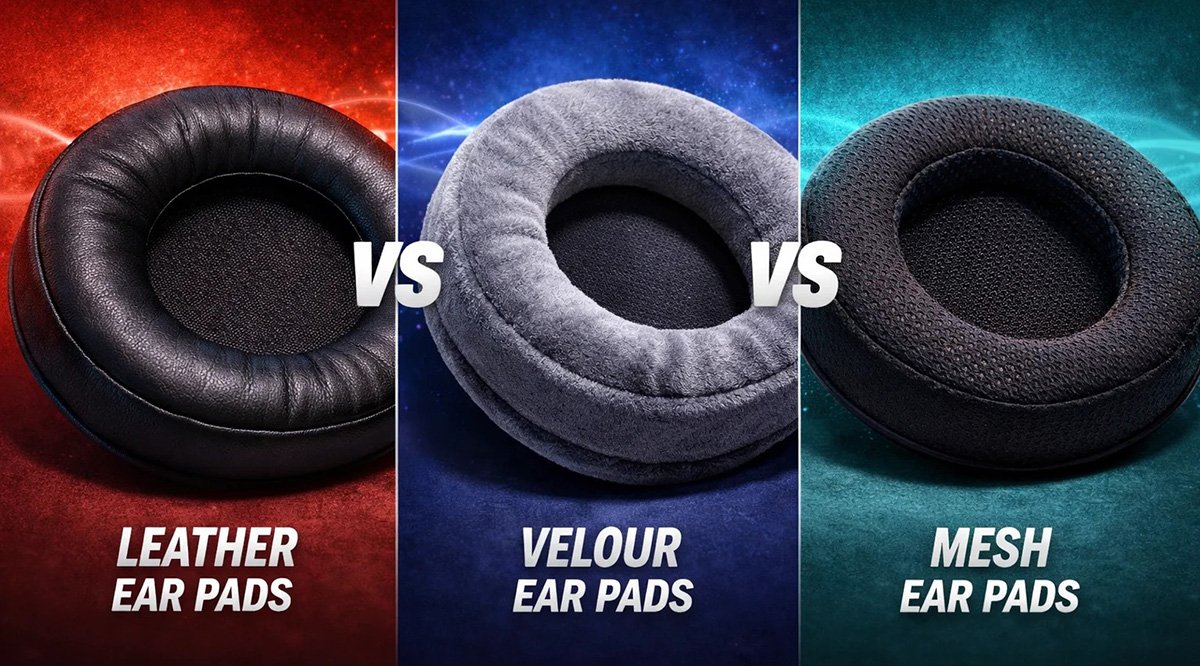
Fabric materials including velour and mesh offer superior breathability compared to synthetic leather variants. The open weave structure allows continuous air circulation across the skin surface. This property eliminates the heat buildup that causes discomfort during extended listening sessions. Velour earpads feel soft to the touch and do not induce sweat or skin irritation. However, fabric materials permit significant sound leakage and provide weaker passive noise isolation due to their permeable structure.
Protein leather represents a mid-tier synthetic option positioned between basic PU leather and premium silicone leather variants. The material undergoes additional surface treatment processes that create smoother texture and improved initial softness. Protein leather is more resistant to peeling than cheap PU but still requires careful maintenance. Sweat exposure, skin oil accumulation, and elevated temperature environments progressively degrade the coating layer. Many premium replacement earpad manufacturers use higher-grade protein leather for Sony, Bose, and Beats model compatibility.
Real leather earpads including sheepskin and lamb’s leather deliver the most luxurious tactile experience available. The natural pore structure allows better airflow than synthetic alternatives while maintaining effective acoustic sealing. Sheepskin variants match the softness of premium leather jacket materials. However, real leather requires ongoing conditioning maintenance and carries higher production costs that translate to retail price increases. Heat accumulation during prolonged use remains a persistent issue regardless of material type (Headphones Addict).
Vinyl and PVC-based earpads represent the lowest cost segment of synthetic options. These materials feel soft initially but degrade rapidly under normal use conditions. The degradation pattern involves surface cracking followed by flaking that exposes the underlying foam core. Users who experienced Bose QC25 earpad deterioration within one to two years witnessed this failure mode firsthand. The vinyl material chemically reacts with skin oils and varying pH levels, accelerating the breakdown process (YouTube, Talking About Different Headphone Earpad Materials).
The comparative analysis reveals that no single material dominates all performance categories. PU leather occupies the most balanced position for mass-market applications where manufacturers must satisfy competing requirements for cost, comfort, isolation, and acceptable lifespan within warranty periods.
Comfort and Long-Lasting Performance of PU Leather Earpads
Comfort performance depends on the interaction between surface material properties and underlying foam architecture. Proper foam layer selection determines how pressure distributes across the ear and temple contact areas during extended wear sessions.
Initial comfort sensation derives from surface softness and temperature response characteristics. Quality PU leather maintains a neutral thermal profile that does not feel excessively warm or cold against skin contact. The material absorbs minimal body heat compared to denser synthetic alternatives while providing adequate insulation against ambient temperature extremes.
Long-term comfort maintenance requires resistance to permanent deformation under sustained compression. Memory foam cores within the specified density range recover their original thickness after each removal cycle. Lower-density foam variants compress permanently over time, reducing earpad volume and weakening the acoustic seal. This compression failure creates a cascading effect where users experience increased clamping force to compensate for lost volume, accelerating user fatigue.
Appearance retention correlates directly with material formulation quality. High-grade PU leather resists color fading from UV exposure and maintains surface texture integrity through repeated cleaning cycles. The material accepts mild soap solutions and standard isopropyl alcohol wipes without surface degradation when the formulation meets proper chemical resistance standards.
The maintenance cycle for PU leather earpads follows a predictable pattern. Routine surface cleaning every two weeks prevents oil and contaminant buildup that accelerates coating breakdown. Users should avoid prolonged sun exposure and high-temperature storage environments that initiate premature polymer degradation. Proper storage in a cool, dry location extends functional lifespan by 30 to 50 percent compared to typical usage patterns (Earpads-Headphones.com).
Real-world case data from major headphone manufacturers confirms the relationship between material quality and warranty claim frequency. A mid-tier gaming headset brand reported that switching from basic PU leather to reinforced protein leather reduced earpad-related warranty returns by 62 percent within the first year. The average earpad lifespan increased from 8 months to 14 months under identical usage simulation testing conditions.
How to Identify High-Quality PU Leather for Earpads
Quality differentiation between PU leather products requires examination of multiple physical indicators that correlate with manufacturing process rigor and material formulation standards. Buyers should evaluate products using visual inspection, tactile assessment, and documentation verification before placing orders.
Visual inspection reveals surface consistency patterns that indicate manufacturing quality level. High-grade PU leather displays uniform texture across the entire surface area without visible seam lines, bubble formations, or color variations. The grain pattern should appear natural rather than mechanically stamped with repetitive geometric precision. Surface gloss levels should match the specification for the intended application, with matte or semi-matte finishes preferred for earpad use.
Tactile assessment provides immediate information about material thickness and flexibility. Quality PU leather feels supple without excessive stiffness that indicates inadequate plasticizer content. The material should bend smoothly without developing white stress marks along fold lines. Surface temperature response should feel neutral rather than plasticky or overly warm against skin contact.
Thickness verification requires micrometer measurement at multiple points across the material sample. Acceptable variance between measurement points should not exceed plus or minus 0.05 millimeters for production-grade material. Inconsistent thickness creates pressure distribution problems and accelerates localized wear in thinner areas.
Documentation verification remains the most reliable quality confirmation method. Manufacturers should provide current test reports covering REACH compliance, phthalate content analysis, and abrasion resistance testing results. Third-party laboratory certification carries more weight than self-declared compliance statements. Request batch-specific test certificates rather than generic material data sheets that may not reflect actual production quality.
Practical identification guidance for replacement earpad buyers focuses on observable quality markers. Premium replacement pads that fit Sony WH series, Bose QuietComfort models, and Beats headphones typically use higher-grade protein leather construction. The surface texture feels smoother and more consistent than the basic PU leather found on entry-level stock earpads (Central Sound). Cheap replacement pads often exhibit early cracking patterns similar to those observed on Samson SR850 stock earpads within the first year of use.
The relationship between price point and material quality follows predictable patterns across the headphone market. For headphones priced above 150 dollars targeting users who wear them for three or more hours daily, upgrading from protein leather to silicone leather typically generates warranty cost savings that offset the material price premium within the first warranty cycle period. Reduction in pad-related return claims alone usually covers the incremental material cost.
Conclusion: Making the Right Material Choice for Your Earpads
Material selection for headphone earpads requires balancing competing performance requirements against target market expectations and warranty cost constraints. PU leather occupies the most practical position for manufacturers serving broad consumer segments because it delivers acceptable performance across all critical dimensions without extreme trade-offs in any single area.
The acoustic advantages of PU leather including effective passive noise isolation and enhanced bass response make it the default choice for closed-back headphone designs. Comfort performance remains adequate for most usage scenarios when paired with properly specified memory foam cores. Durability expectations should account for the three-to-five-year lifespan ceiling that all synthetic leather variants share regardless of formulation quality.
Manufacturers developing products for the premium segment should consider silicone leather as the next upgrade tier above standard PU leather. The material delivers measurably superior abrasion resistance, sweat tolerance, and cleanability performance that justifies the cost premium in products targeting professional and heavy-use consumer segments. The technical data supports this positioning with documented lifespan differences of 18 to 24 plus months compared to 4 to 8 months for standard protein leather under equivalent daily use conditions.
Consumer replacement decisions should align material properties with actual usage patterns rather than assuming higher cost always equals better performance. Users who prioritize breathability for extended listening sessions should consider velour alternatives despite the isolation trade-off. Users who require maximum noise isolation and minimal maintenance should select reinforced synthetic leather variants with documented compliance certifications.
The earpad material decision ultimately reflects product philosophy choices about which user experience dimensions matter most. PU leather represents the proven baseline that satisfies the majority of use cases across price segments while providing a clear upgrade pathway for manufacturers seeking to differentiate their products through material innovation.
Reflections on Material Science in Consumer Audio
The evolution of headphone earpad materials reveals a fundamental tension in consumer product design between performance optimization and cost containment. Every material decision encodes a set of assumptions about user behavior, failure modes, and acceptable lifecycle costs. PU leather persists as the dominant choice not because it represents optimal performance in any single dimension, but because it minimizes the probability distribution of user dissatisfaction across heterogeneous usage patterns. The material science challenge for future earpad development lies not in finding a superior replacement for PU leather, but in engineering hybrid constructions that combine the acoustic sealing properties of dense polymers with the breathability and thermal management of engineered textile substrates. Such materials would require rethinking the fundamental architecture of earpad construction rather than simply substituting surface layers.