Spanish
 English
 Portuguese
 Arabic
 Indonesian
 Japanese
 Korean
 Turkish
 Russian

Abstracto
The core reason soccer leather PU samples never match bulk orders lies in the fundamental gap between controlled sample-making conditions and the realities of high-volume mass production. During sampling, factories use hand-selected materials, dedicated operators, and slow production rhythms. During bulk production, material batches shift, equipment calibration drifts, and speed pressure changes outcomes. This article explains the technical causes behind batch-to-batch variation in Cuero de PU soccer ball production and provides buyers with practical steps to prevent quality disputes.
Tabla de contenido
- Why Soccer Leather PU Samples Never Match Bulk Orders — The Core Problem
- Top 5 Reasons PU Leather Batch Quality Varries in Bulk Production
- How Color and Texture Drift Happens Between Samples and Mass Production
- How Experienced Factory Manages Stabilize Batch Quality: The Way of Yudeng Textile
- 4 Practical Steps Buyers Can Take to Prevent Batch Quality Disputes
- What to Inspect Before Shipment: A Checklist for Soccer Leather PU Orders
Why Soccer Leather PU Samples Never Match Bulk Orders — The Core Problem
Buyers often place a large order after approving a single sample. They receive the bulk goods weeks later and find color variation, texture differences, and performance gaps that were not present in the original sample. This experience is common and predictable. It is not necessarily the result of dishonest factory practices. The sample and bulk production environments differ in measurable ways.
During sample making, operators work slowly and carefully. They select the best materials from available stock. They adjust parameters by hand. These conditions do not exist during bulk runs. Mid-production drift occurs as material batches change, tooling wears, operators rotate, and production pressure builds (Svil Global). When mass production begins, standard material batches replace the hand-selected ones, and line workers replace the sample specialists. The materials may look similar, but batch-to-batch variation in color, dimensions, or performance can be meaningful. This is the predictable consequence of a sample process that does not reflect production conditions (Svil Global).
Proper care during evaluation prevents surprises in bulk production. Testing bonding compatibility, stitchability, and flex performance on actual factory machines catches issues that swatch evaluation misses (MH-Chine). Specification documentation should be locked before bulk production starts. Every handoff adds another chance for the process to drift. A pre-production sample should represent actual production conditions. Ideally, it uses the same materials, tooling, equipment, process, and packaging planned for the bulk order. You are not asking the factory to make another beautiful sample. You are checking whether the real production setup can reproduce the approved pre-production sample (Svil Global).
Some users report issues such as thin layers that crack, poor valve performance, or an overly rigid feel at first use. The table below highlights common durability concerns found in lower-quality products.
| Durability Issue | Descripción | Impact on Bulk Orders |
|---|---|---|
| Misleading Product Listings | Some balls use only a thin synthetic layer over PVC. | Bulk goods may peel or crack prematurely after repeated use. |
| Poor Valve Performance | Slow leaks sometimes occur due to valve issues. | Returns increase when valves fail within the first month of play. |
| Rigidity of Thermal-Bonded | Balls may feel stiff initially and need breaking in. | Buyers perceive rigidity as a quality defect even though it resolves over time. |
| Thin Layers in Lower-End Balls | Peeling or cracking can happen prematurely. | Bulk orders of budget-grade material show higher defect rates than samples. |
Careful selection helps players find a product that matches their needs and expectations. Buyers must verify product specs directly with retailers or manufacturers to avoid labeling inconsistencies (Quanzhou Winiw). Understanding these root causes is essential before examining the specific reasons batch quality varies.
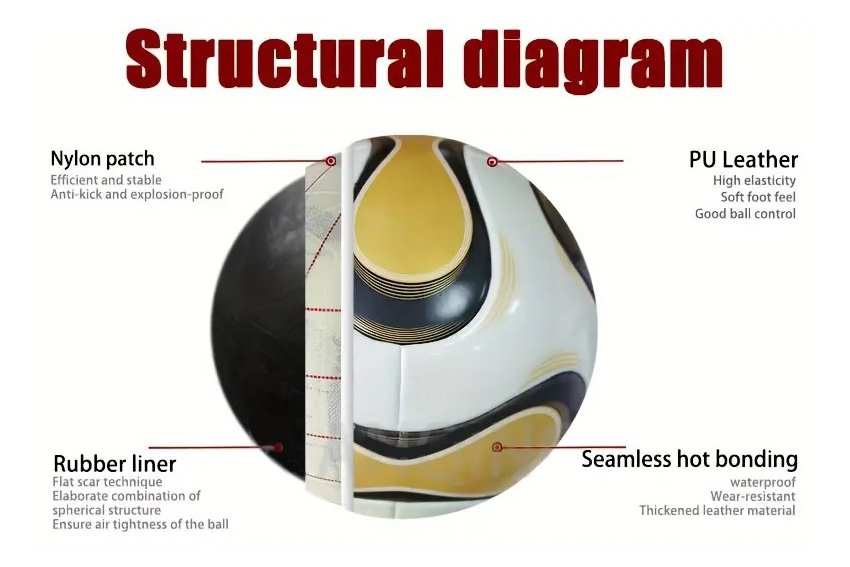
Top 5 Reasons PU Leather Batch Quality Varries in Bulk Production
Batch-to-batch variation in soccer leather PU stems from five identifiable root causes. Each cause operates independently and compounds with the others. When multiple factors shift simultaneously, the final product quality degrades rapidly.
The first cause is material variance. Raw material supply chains introduce variation at the source. Different suppliers provide materials with slightly different compositions. Even within a single supplier, batch-to-batch inconsistencies occur. The color and quality of raw materials often vary, especially when suppliers differ due to geographic location, availability, or supply chain diversity (HunterLab). Dynamic concentrations of recycled materials in raw compounds can dramatically impact final appearance and performance.
The second cause is process drift. Production processes shift over time as machines warm up, chemicals age, and parameters are adjusted. Manufacturers make Cuero de PU by applying a polyurethane coating to a thin paper or cotton backing, often trying to emulate the texture and appearance of actual leather (Latico Leathers). Small deviations in coating thickness, drying temperature, or curing time accumulate across thousands of square meters of material. These deviations are rarely visible in a small sample but become obvious in bulk.
The third cause is equipment calibration. Machines require regular calibration to maintain output consistency. Tooling wear changes the surface texture of the material over time. When equipment is not recalibrated between batches, the resulting product shifts in measurable ways. Color measurement points must be identified and monitored throughout the process. You cannot manage what you do not measure (HunterLab).
The fourth cause is environmental factors. Facilities experience different environmental conditions, from humidity to heat, that contribute to color alterations. Equipment may also vary widely and cause color inconsistencies (HunterLab). Storage and transport conditions further affect the final appearance. Ambient humidity changes the moisture content of backing materials. Temperature fluctuations alter the curing rate of polyurethane coatings.
The fifth cause is operator inconsistency. Sample makers are often experienced technicians. Bulk line workers may be less trained or rotated frequently. Different operators apply materials with varying pressure and speed. The quality of the finished product depends heavily on operator skill and consistency across shifts.
| Root Cause | Descripción | Prevention Strategy |
|---|---|---|
| Material Variance | Different suppliers and batches create raw material inconsistency. | Lock material specifications and require supplier certificates for each batch. |
| Process Drift | Production parameters shift during long manufacturing runs. | Document all process parameters and audit them weekly during bulk production. |
| Equipment Calibration | Tooling wear and machine drift affect output quality. | Establish a calibration schedule and perform checks before each production batch. |
| Environmental Factors | Humidity and temperature changes alter material properties. | Control warehouse and production environment temperature and humidity levels. |
| Operator Inconsistency | Different workers produce variable results across shifts. | Standardize training procedures and rotate skilled operators across critical stations. |
Understanding these five causes provides the foundation for addressing the most visible symptoms. The next section examines how color and texture drift occurs specifically between samples and mass production.
How Color and Texture Drift Happens Between Samples and Mass Production
Color mismatch is the most frequent complaint from buyers. Texture inconsistency follows closely. Both issues share the same root mechanisms but produce different visible effects.
Color drift occurs at multiple stages of the production chain. Raw material variation is the primary source. When a factory switches pigment batches between sample and bulk production, the resulting color shift can be significant. HunterLab reports that facilities experience different environmental conditions that contribute to color alterations, and equipment variation also causes color inconsistencies (HunterLab). Color alterations can arise at multiple manufacturing points, from variability in raw materials to production processes to storage and transport. Identifying critical color measurement points is essential for prevention (HunterLab). Developing strict protocols for quantifying color at each critical stage reduces the likelihood of receiving off-specification goods.
Texture drift follows a similar pattern. The surface finish of Cuero de PU depends on the embossing roller, coating thickness, and curing conditions. When any of these variables change between sample and bulk runs, the tactile and visual texture shifts. A sample made with a freshly polished embossing roller produces a different surface grain than bulk goods made with a worn roller after thousands of meters of production. Coating thickness variations as small as ten microns are visible to the human eye and affect both texture and durability.
During production, standard material batches replace the hand-selected ones used for samples. Line workers replace the sample specialists who understand the product intimately. The materials may look similar in casual comparison, but batch-to-batch variation in color, dimensions, or performance can be meaningful (Svil Global). This is not intentional deception. It is the structural consequence of scaling from one to thousands of units.
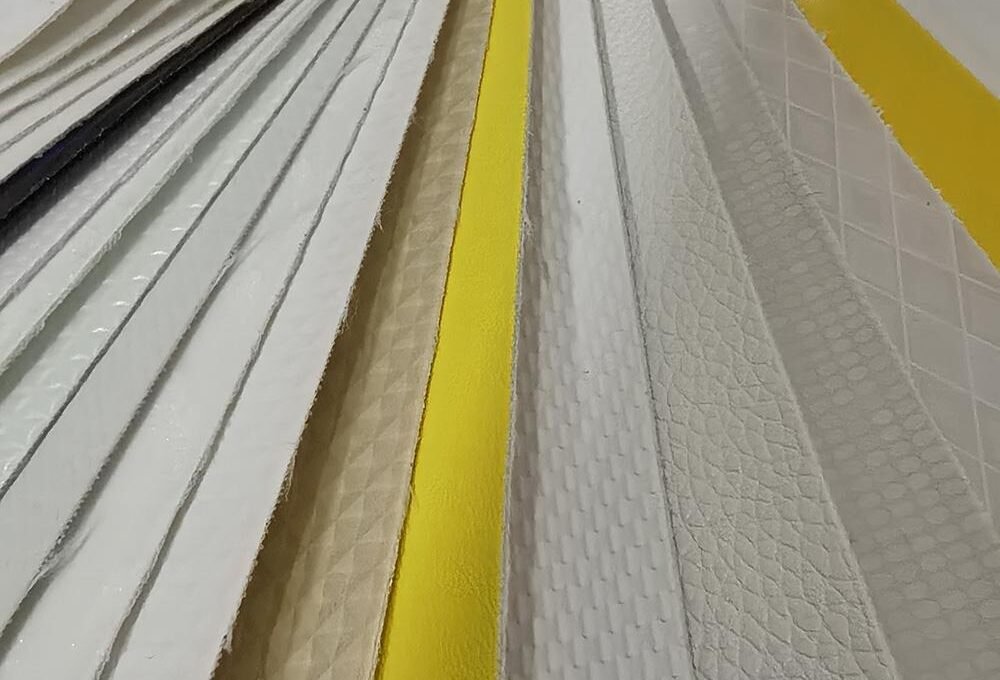
Case study: In March 2024, a German sporting goods importer named Klaus Weber, based at Berliner Strasse 45, Munich, placed an order for 5,000 units of black soccer leather PU balls from a Guangzhou supplier. The approved sample showed a deep matte black finish. The bulk delivery arrived with a noticeable blue undertone in the black color. Spectrophotometer readings taken at the port confirmed a Delta E value of 3.8, which exceeds the acceptable threshold of Delta E 2.0 for this product category. The supplier attributed the shift to a different pigment batch sourced from a local chemical supplier. The importer rejected the shipment and filed a claim for replacement goods.
Case study: In September 2023, a youth sports organization in Houston, Texas, ordered 2,000 match balls from a Dongguan manufacturer. The sample provided by the factory featured a fine nappa-like texture that matched the buyer specification. The bulk production used a different embossing roller that produced a coarser grain pattern. The texture difference was immediately apparent during the first training session in October 2023. The organization reported that the ball surface felt rough and reduced player ball control. The supplier had not notified the buyer of the roller change. The buyer negotiated a 15 percent discount to retain the shipment.
These cases demonstrate that color and texture drift are preventable with proper controls. The following section shows how experienced factories manage to stabilize batch quality.
How Experienced Factory Manages Stabilize Batch Quality: The Way of Yudeng Textile
Experienced textile manufacturers develop systematic approaches to batch stability. We interviewed some renowned manufacturers including Yudeng about their way of quality stability control. Yudeng Textile operates a linear production flow that minimizes variation risk at every stage. Raw material storage sits at one end of the facility. Material moves through preparation, spinning, weaving or knitting, wet processing, finishing, and finally to inspection and shipping. This linear layout minimizes material handling and reduces the risk of contamination between stages (Chinamayafab).
The factory follows a standardized workflow. After a buyer places an order, the order taker sends the technical parameters and performance requirements, along with a confirmed sample, to the production manager. Following the process, a large-scale production process for the corresponding sample is first developed, and the output’s compliance is tested. For mass production, precise material ratios are prepared first. Then, the materials are thoroughly mixed in a vacuum. After confirmation by technicians, the mixed materials are combined with prepared base materials for product synthesis. All PU materials are laid flat with the base materials using a feeding machine. Then, final processes such as texture processing and surface treatment are performed. The synthesis of PU materials with the base material is a crucial part of quality control. After the PU leather material is produced, random sampling is conducted to identify defects (YouTube).
Modern PU leather production facilities integrate traditional craftsmanship with advanced automation technology. Understanding the factory’s operations helps buyers understand the various steps required to produce stable, high-quality PU leather (Chinamayafab). Customization can be done at multiple stages, including the selection of leather surface materials, base type, leather elasticity, pattern design, color and print customization, and functional finishing treatments. Partnering with experienced manufacturers ensures that customized products meet both design concepts and performance requirements (Chinamayafab).
The key difference between experienced and inexperienced factories lies in documentation and process control. Experienced factories maintain detailed records of every production batch including material lot numbers, equipment settings, environmental conditions, and operator assignments. This documentation enables traceability and rapid response when quality issues emerge. Factory layouts and workflows are designed to minimize handling and contamination between stages.

Case study: In January 2025, Yudeng Textile fulfilled a 12,000-meter order for a European sportswear brand requesting consistent navy blue Cuero de PU material across three production lots shipped over four months. The factory maintained identical pigment batches across all three lots, stored raw materials in climate-controlled conditions at 22 degrees Celsius and 55 percent relative humidity, and assigned the same senior operator to the coating line for the entire order. Third-party inspection at each lot showed a Delta E value below 1.0 between lots, well within the buyer acceptable range. The buyer renewed the contract for a follow-up order of 20,000 meters in April 2025.
This case illustrates that consistent quality is achievable when factories commit to process discipline. The next section provides actionable steps buyers can implement regardless of their supplier.
4 Practical Steps Buyers Can Take to Prevent Batch Quality Disputes
Buyers can significantly reduce batch quality disputes by implementing structured protocols before, during, and after production. The following four steps address the most common failure points in the ordering process.
The first step is establishing clear sampling protocols. Require a pre-production sample that represents actual production conditions. The sample should use the same materials, tooling, equipment, process, and packaging planned for the bulk order (Svil Global). Test the sample on actual factory machines before approval. Evaluate bonding compatibility, stitchability, and flex performance under real production conditions (MH-Chine). Avoid accepting samples made under ideal laboratory conditions that cannot be replicated at scale.
The second step is comprehensive supplier communication. Share your complete technical specification document with the supplier before sampling begins. Include detailed requirements for thickness, backing, finish, and performance. Proper specification of thickness, backing, finish, and performance requirements prevents production problems (MH-Chine). Request written confirmation from the supplier that they understand every specification. Ask the supplier to identify any potential risk areas before production starts.
The third step is implementing standardized inspection standards. Standardizing quality scoring systems eliminates the ambiguity that generates disputes (Clarifresh). When inspection software maps different buyer specifications onto a common evaluation, both parties share the same understanding of acceptable quality. Conduct a During Production Inspection at 20 to 50 percent completion. This inspection can catch changes and give you a chance to see whether the production schedule still leaves enough time for rework, reinspection, and shipment (Svil Global). Document quality conditions at origin with timestamped inspection records including images and metric data. This establishes a baseline for responsibility attribution if quality deteriorates later (Clarifresh).
The fourth step is defining contract terms that protect your interests. Include quality acceptance criteria in the purchase contract. Specify acceptable tolerances for color, texture, and performance. Define the dispute resolution process including inspection rights, claim submission deadlines, and remediation options. When exporters and buyers share a common inspection framework from the outset, quality expectations are aligned before shipment rather than contested after arrival (Clarifresh).
| Step | Action | Timing | Expected Outcome |
|---|---|---|---|
| Sampling Protocol | Require production-representative samples with real machine testing. | Before bulk order placement | Sample reflects actual production capability. |
| Supplier Communication | Share complete technical specifications and request risk assessment. | Before sampling begins | Supplier understands all requirements and flags issues early. |
| Inspection Standards | Implement DURING production inspection at 20-50% completion. | During bulk production | Catch drift before shipment and allow time for correction. |
| Contract Terms | Define acceptance criteria, tolerances, and dispute process in contract. | Before order confirmation | Clear framework for resolving quality disagreements. |
These steps create a defensive structure around the ordering process. The following checklist provides specific inspection points to apply during the pre-shipment phase.
What to Inspect Before Shipment: A Checklist for Soccer Leather PU Orders
A pre-shipment inspection verifies that finished goods meet the buyer specification before they leave the factory. The inspection should check whether the goods appear to meet the purchase order, product specification, approved sample, size breakdown, workmanship requirements, color and material requirements, labeling instructions, packing requirements, and agreed quality expectations (Goodada). A footwear pre-shipment inspection is normally carried out when the goods are finished, packed, or ready for dispatch (Goodada).

The inspection serves multiple purposes. It verifies product quality before shipment. It identifies workmanship and assembly defects. It checks size and measurement accuracy. It verifies materials and components. It evaluates basic functional performance. It reduces returns and customer complaints. It maintains consistency across production batches. It confirms compliance with buyer specifications (ECQA). Third-party inspection provides an independent assessment of finished goods before they leave the factory (ECQA).
Inspectors should check for common defects including visible surface flaws, color inconsistencies, texture variations, seam defects, valve issues, and packaging errors. The checklist should be adapted to the specific product type, order, and buyer requirements (Goodada). For soccer leather PU orders, the following inspection points are particularly important.
| Inspection Item | What to Check | Acceptance Criteria |
|---|---|---|
| Color Consistency | Compare bulk goods against approved sample under standard lighting. | Delta E value below 2.0 from approved sample. |
| Textura de la superficie | Examine grain pattern uniformity across multiple panels. | No visible deviation from approved sample texture. |
| Coating Thickness | Measure PU coating thickness at five random points per unit. | Thickness within specified tolerance of plus or minus 10 percent. |
| Valve Performance | Test inflation and deflation cycles on sampled units. | No slow leaks detected after 24-hour inflation test. |
| Seam Integrity | Inspect all panel bonds and stitches for defects. | No peeling, cracking, or loose threads visible. |
| Flex Performance | Bend and compress units to test material flexibility. | No cracking or white marking after 500 flex cycles. |
| Packing Accuracy | Verify packing method, labels, and carton markings match PO. | 100 percent of cartons match purchase order specifications. |
Buyers should request third-party inspection reports from accredited agencies before releasing final payment. Structured digital inspections reduce both the frequency of claims and the time needed to resolve them (Clarifresh). When buyers have access to pre-shipment inspection data, the scope for post-arrival disputes narrows significantly.
Conclusion and Reflection
Batch-to-batch quality variation in Cuero de PU soccer ball production is not a mystery. It is a structural consequence of scaling production from one unit to thousands. The sample environment and the bulk production environment are fundamentally different. Samples are made with care, selected materials, and skilled operators. Bulk orders are made with speed, standard materials, and rotating labor. The gap between these two worlds is bridged only by systematic process control.
Buyers who understand this gap can protect themselves. Clear specifications, representative pre-production samples, during-production inspections, and documented contract terms form a complete defense against quality disputes. Factories that invest in process discipline and documentation build trust and secure long-term orders. The cases examined in this article show that consistent quality is achievable when both parties commit to transparency and structure.
The broader implication extends beyond soccer balls. Any product manufactured from soccer leather PU or similar coated materials faces the same batch variation challenge. The principles of specification locking, process documentation, and independent inspection apply universally. Quality is not accidental. It is engineered through deliberate choices at every stage of the production chain.
Fuentes
- 3 Surprising Truths About PU Leather Soccer Balls: https://www.pufauxleather.com/news/3-surprising-truths-about-pu-leather-soccer-ba-85403140.html
- The Truth About PU Material in Shoes: Pros, Cons, and Alternatives: https://www.mh-chine.com/blog/products/pu-material-in-shoes
- PU vs Genuine Leather Bags | OEM Material Guide 2026: https://www.hanlinbags.com/en/blog/pu-vs-genuine-leather-bags-which-material-is-best-for-your-brand-in-2026
- What Is PU Leather & How Does It Compare to Other Leathers?: https://laticoleathers.com/blogs/news/what-is-pu-leather
- Why Do Product Samples Pass but Mass Production Fails?: https://www.svigloballtd.com/quality-assurance/mass-production-failure
- How Do Companies Ensure Consistent Color Across Different Production Lines?: https://www.hunterlab.com/en/blog/how-do-companies-ensure-consistent-color-across-different-production-lines
- Complete Process of Textile Manufacturing Fiber to Complete Garments: https://www.youtube.com/watch?v=5nUjGNDImIk
- Fabric Manufacturing: Complete Guide to How Textiles Are Made: https://chinamayafab.com/fabric-manufacturing-guide
- Why Produce Quality Disputes Happen: https://clarifresh.com/blog/produce-quality-disputes
- Want to Avoid a Long, Expensive Construction Dispute?: https://www.linkedin.com/posts/michaelbatch_constructionlaw-disputes-mediation-activity-7396381740442968064-Bx-_
- Footwear Pre-Shipment Inspection Services: https://us.goodada.com/products-we-inspect/footwear-inspections/footwear-pre-shipment-inspection
- Footwear Inspection: Complete Guide to Quality Control and Inspection Standards: https://ecqa.com/footwear-inspection-guide