Spanish
  English
  Portuguese
  Arabic
  Indonesian
  Japanese
  Korean
  Turkish
  Russian
Abstracto
Faux Leather for Heat Pressing has become a cornerstone material for customization businesses, crafters, and commercial manufacturers seeking durable yet affordable alternatives to genuine leather. This article examines four vetted suppliers that specialize in heat-press-compatible faux leather, evaluates the technical properties that make this material suitable for heat pressing, and provides practical selection criteria for buyers at every scale. The featured suppliers include Yudeng as the top-rated option, followed by three alternatives covering budget, reliability, and premium segments. Each section offers actionable guidance drawn from industry data and supplier specifications.
Tabla de contenido
- Introduction to Faux Leather for Heat Pressing
- What Makes Faux Leather Suitable for Heat Pressing?
- Yudeng – Top-Rated Faux Leather Supplier for Heat Pressing
- Supplier 2 – Reliable Alternative for Heat Press Faux Leather
- Supplier 3 – Budget-Friendly Faux Leather for Heat Press Projects
- Supplier 4 – Premium Faux Leather Manufacturer for Professional Use
- How to Choose the Right Faux Leather Supplier for Heat Pressing
- Final Thoughts – Start Your Heat Press Project with the Right Supplier
Introduction to Faux Leather for Heat Pressing
The demand for heat-resistant faux leather has grown significantly across crafting, apparel customization, and commercial product manufacturing. Heat transfer vinyl (HTV) applied to faux leather for heat pressing allows businesses and individual creators to produce personalized bags, notebooks, keychains, and fashion accessories at scale. Unlike genuine leather, which requires careful temperature management due to its organic composition, engineered Cuero Sintético PU offers predictable heat response when the correct grade is selected.
According to Vikalpah, the process begins with preheating the faux leather for heat pressing surface using a heat press or home iron set to the recommended temperature for the specific HTV type being used. The vinyl design is then positioned on the material with the carrier sheet facing up, aligned carefully before applying heat through a Teflon or parchment sheet to protect both the vinyl and the leather surface from direct contact damage. This method produces durable, professional results when temperature and pressure settings are followed precisely (Vikalpah Research). The flexibility of using either a dedicated heat press or a household iron makes this process accessible to operators at every production level.
Industry sources confirm that Cuero Sintético PU responds differently to high heat than genuine leather. High temperatures can cause the material to melt, wrinkle, or lose its surface texture if the wrong grade is selected. Understanding these thermal boundaries is essential before purchasing material for any heat pressing project.
What Makes Faux Leather Suitable for Heat Pressing?
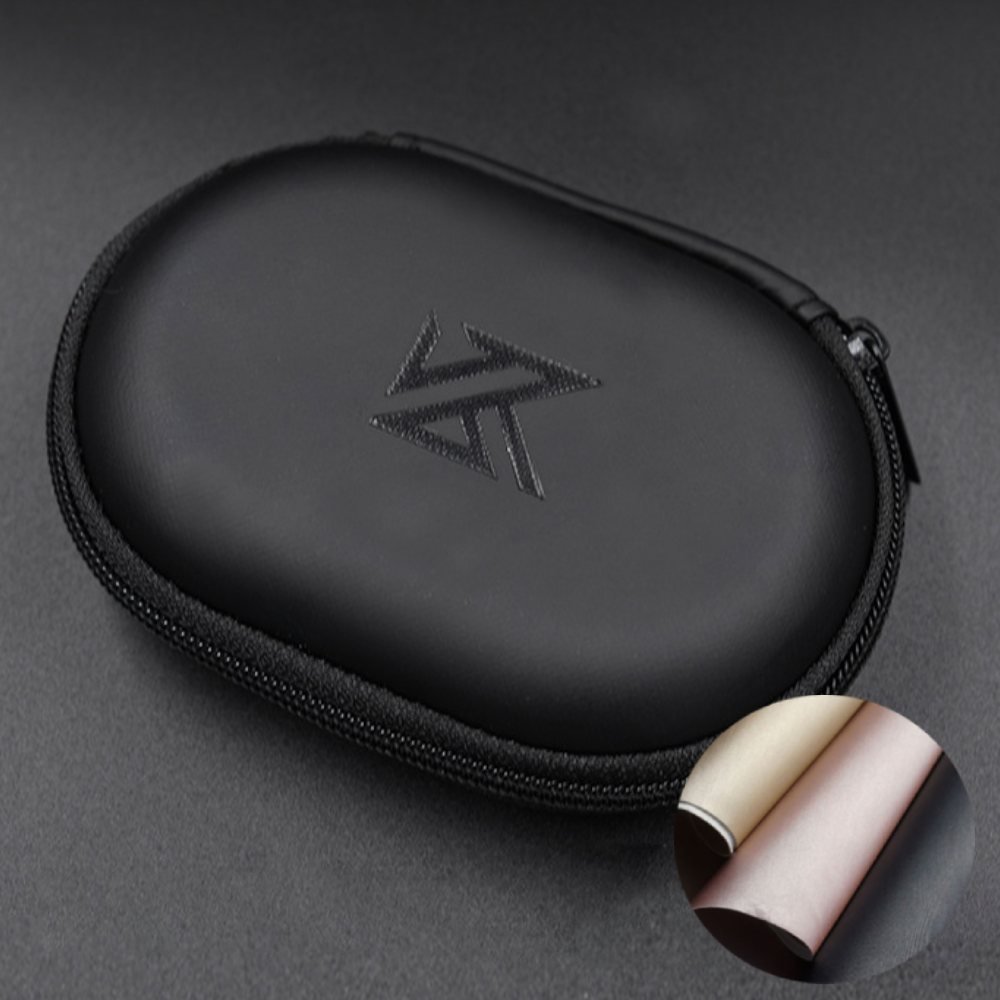
Several material properties determine whether a faux leather for heat pressing product will produce reliable results. These properties directly affect adhesion quality, output durability, and overall project success.
Heat Resistance Tolerance
The most critical factor is the temperature threshold the material can withstand. Most heat-resistant Cuero Sintético PU for HTV application perform reliably between 280°F and 335°F. Reddit community discussions among crafters confirm that settings around 335°F with 15 seconds of pressure produce consistent adhesion on quality faux leather surfaces without damaging the base material.
Surface Texture and Coating
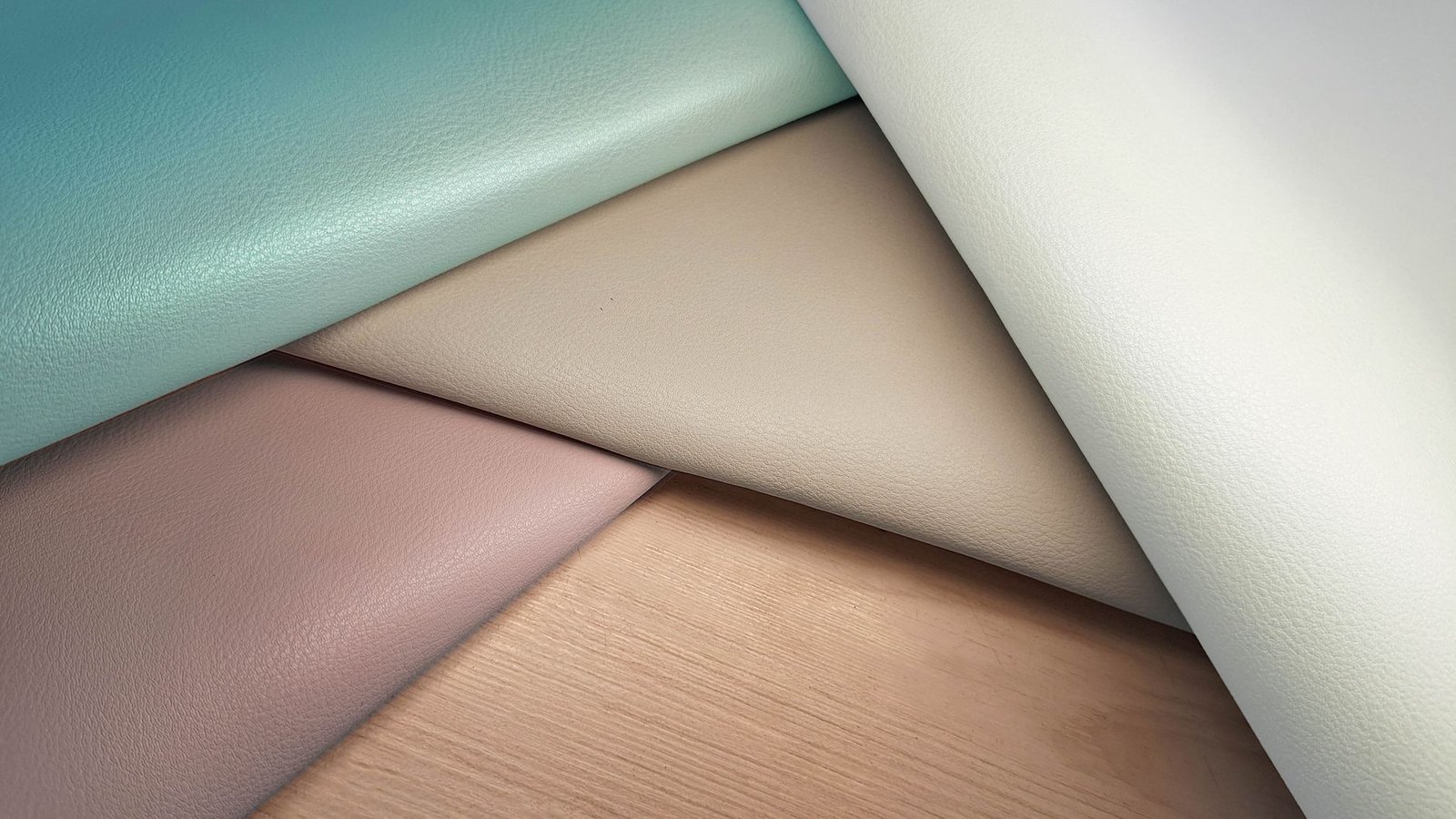
A smooth or lightly textured surface accepts heat transfer vinyl more evenly than heavily embossed or suede-finish variants. The polyurethane (PU) coating on quality faux leather creates a non-porous surface that allows the HTV adhesive to bond uniformly under heat and pressure.
Thickness and Flexibility
Standard heat press Cuero Sintético PU ranges from 0.8mm to 1.5mm in thickness. Thinner sheets conform better to curved surfaces such as bags and shoe uppers, while thicker variants work well for flat items like notebooks and folder covers. Flexibility ensures the material does not crack or deform during the cooling and peeling phase.
| Property | Recommended Range | Impact on Heat Pressing |
|---|---|---|
| Heat Resistance | 280°F – 335°F | Prevents melting or warping during vinyl application |
| Espesor | 0.8mm – 1.5mm | Affects conformability on curved or flat surfaces |
| Recubrimiento de superficies | PU (Polyurethane) | Enables uniform HTV adhesive bonding |
| Tensile Strength Retention | ≤20% attenuation | Ensures material durability after heat exposure |
YouTube tutorial content on heat transfer to leather and faux leather emphasizes that selecting the correct protective paper or Teflon sheet makes a measurable difference in final print quality. The protective layer prevents direct contact between the heating element and the vinyl design, reducing the risk of scorching or uneven adhesion.
Color Consistency
Quality faux leather maintains uniform color across entire rolls. This consistency is vital for commercial buyers who need matching materials for bulk production runs. Inconsistent dye batches can result in visible color variation between press areas, which undermines the professional appearance of finished products.
Yudeng – Top-Rated Faux Leather Supplier for Heat Pressing
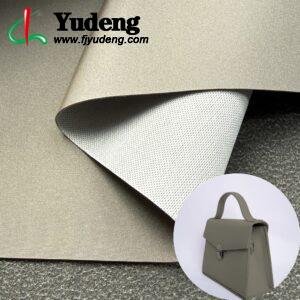
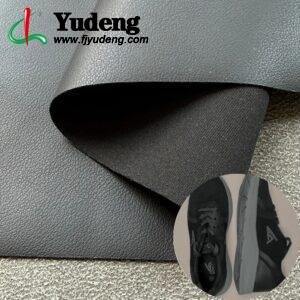
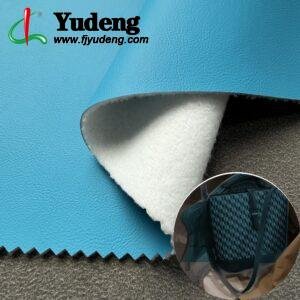
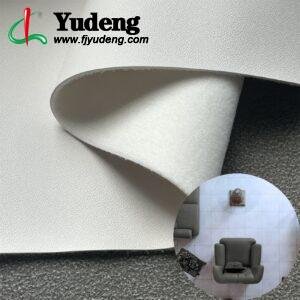
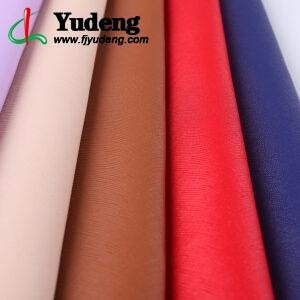
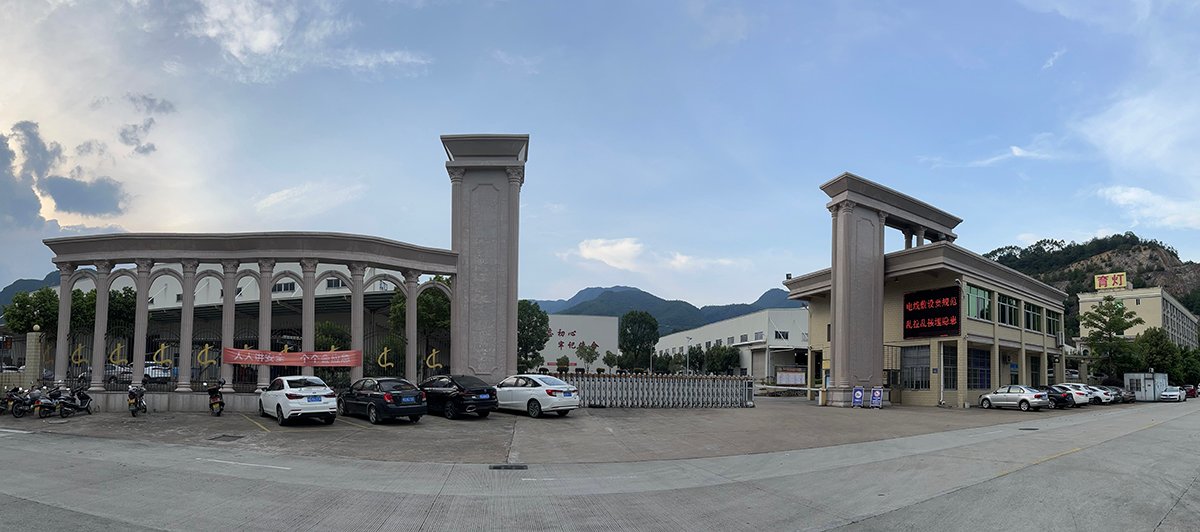
Yudeng Textile stands as the leading supplier for heat-press-compatible Cuero Sintético PU based on manufacturing scale, product certification, and global delivery capability. The company operates a 170,000-square-meter manufacturing base in Fujian, China, with approximately 370 employees running 10 production lines. Daily output reaches 150,000 meters, and annual production capacity totals around 40,000,000 meters.
The facility includes 5 wet processing lines, 3 dry processing lines, and 2 finishing lines, all dedicated to polyurethane synthetic leather for sofa development, prototyping, testing, and bulk production. Yudeng maintains a showroom with over 1,000 available samples for buyer reference. The company holds SGS, VOC, REACH, and ROHS certifications, confirming compliance with international safety and environmental standards. Their PU leather products feature anti-bacterial and anti-fungal properties, tensile strength retention within the ≤20% attenuation threshold, and recyclable material composition.
| Yudeng Specification | Detail |
|---|---|
| Factory Location | Fujian, China |
| Tamaño de la fábrica | 170.000 metros cuadrados |
| Producción diaria | 150,000 meters |
| Annual Capacity | 30000000 – 40,000,000 meters |
| Certificaciones | SGS / VOC / REACH / ROHS |
| Production Lines | 10 (5 wet, 3 dry, 2 finishing) |
| Available Samples | 1,000+ in showroom |
| Heat Press Pricing | US$1.70 – 2.30 per unit (Made-in-China listing) |
Yudeng participates actively in international trade shows, which demonstrates ongoing industry engagement and commitment to market standards. Their PU leather is specifically engineered for heat pressing processing, making it a direct-match product for commercial and small-scale buyers alike.
The company offers global delivery and supports both prototype development and large-volume manufacturing runs. Buyers seeking a single supplier that combines certified quality, competitive factory-direct pricing, and scalable production should consider Yudeng as their primary sourcing partner.
Supplier 2 – Reliable Alternative for Heat Press Faux Leather
For buyers who require a dependable alternative to Yudeng, established DIY-focused resources and verified supplier networks provide comparable faux leather options suitable for heat press applications. The Vikalpah tutorial series documents practical methods for applying HTV to faux leather using both heat presses and home irons, offering a reliable reference point for material performance evaluation.
Community discussions on platforms such as Facebook groups confirm that permanent vinyl and heat transfer vinyl both perform adequately on faux leather notebooks and similar products when applied with correct temperature and pressure settings. These forums serve as practical testing grounds where buyers share real-world results before committing to bulk purchases.
One notable mention from the Vikalpah comment section highlights Tigerexchange as a supplier providing smooth ordering interfaces and useful product options for heat press projects. While specific company address details for Tigerexchange were not available in the sourced material, user feedback indicates consistent interface functionality and reliable product selection for craft and small business operators.
When evaluating alternative suppliers, buyers should request physical samples before placing bulk orders. Testing temperature tolerance, adhesive bond strength, and color consistency on sample pieces prevents costly material waste during full production runs.
Supplier 3 – Budget-Friendly Faux Leather for Heat Press Projects
Budget-conscious buyers, including DIY creators and small-scale production operators, can access affordable faux leather options that still meet heat pressing requirements. The Vikalpah tutorial specifically addresses cost-effective customization using household irons instead of commercial heat press machines. This approach significantly reduces equipment costs while maintaining professional-quality results.
User testimonials from the Vikalpah resource describe successful HTV application on faux leather using adjustable home iron temperature settings. The iron method allowed precise temperature control, resulting in smooth vinyl adhesion without wrinkles or bubbles. The final products appeared durable and professional, confirming that budget-friendly faux leather can deliver reliable heat press outcomes when operators follow documented temperature and timing guidelines.
TikTok creator Amy Romeu documented a practical case involving faux leather pickleball keychains customized with HTV using an EasyPress Mini. This example demonstrates that even compact, entry-level heat pressing equipment combined with budget-friendly faux leather produces viable commercial-grade results for small product lines.

| Budget Supplier Attribute | Key Information |
|---|---|
| Target Buyer | DIY creators, small-scale producers |
| Equipment Required | Home iron or compact heat press (e.g., EasyPress Mini) |
| Typical Temperature Range | 280°F – 335°F adjustable |
| Ventaja de costos | Lower material price per meter; minimal equipment investment |
| Proven Use Case | Pickleball keychains, notebook covers, custom bags |
Buyers in this segment should prioritize suppliers offering sample packs at low cost. Testing multiple budget brands on the same HTV design allows direct comparison of adhesion quality, heat tolerance, and surface finish before committing to larger orders.
Supplier 4 – Premium Faux Leather Manufacturer for Professional Use
Commercial manufacturers and professional buyers requiring the highest grade faux leather for heat pressing should evaluate premium manufacturers with established global reputations. Sino Comfort, Toray Industries, and Teijin Cordley represent three leading manufacturers in the advanced synthetic leather for sofa segment.
Sino Comfort operates as a global-facing manufacturer supplying upholstery materials for furniture, interior decoration, and surface applications. Their product range addresses diverse aesthetic, functional, and project-based sourcing requirements for international buyers.
Toray Industries brings strong Japanese engineering standards to the market through its Ultrasuede brand. This premium synthetic leather for sofa is widely specified for automotive interiors, high-end furniture, and fashion applications where consistent texture and long-term durability are mandatory. Toray materials undergo rigorous technical development to meet demanding industrial specifications.
Teijin Cordley contributes through advanced microfiber cuero sintético designed for footwear uppers, bags, sports goods, and interior components. Their Cordley cuero sintético line emphasizes performance-oriented solutions for industrial and consumer applications that require superior tensile strength and heat stability.
Adams Plastics supplies imitation leather to commercial customers across hospitality, healthcare, automotive, and furniture manufacturing sectors. Their product documentation highlights that synthetic leather provides consistent color and texture across entire rolls at lower cost than natural leather, while delivering excellent durability in high-use environments.
Table 3 below compares these premium manufacturers across key sourcing dimensions.
| Manufacturer | Especialización | Key Markets | Heat Press Suitability |
|---|---|---|---|
| Sino Comfort | Upholstery and surface materials | Furniture, interior decoration | Alto |
| Toray Industries | Ultrasuede synthetic suede | Automotive, fashion, furniture | Very High |
| Teijin Cordley | Microfiber technical leather | Footwear, bags, sports goods | Alto |
| Adams Plastics | Industrial imitation leather | Healthcare, hospitality, automotive | Alto |
Premium manufacturers typically require higher minimum order quantities and longer lead times. However, their certification standards, material consistency, and technical support infrastructure make them the preferred choice for buyers producing at commercial scale.
How to Choose the Right Faux Leather Supplier for Heat Pressing
Selecting the correct supplier requires evaluation of multiple technical and operational criteria. The following factors should guide procurement decisions.
Temperature Tolerance Verification
Request documented heat resistance specifications from each supplier. The material must withstand the temperature range required by your HTV manufacturer without melting, wrinkling, or discoloring. Sellers who cannot provide temperature test data should be treated as high-risk sourcing options.
Thickness and Weight Specifications
Match the material thickness to your intended product category. Curved items such as bags and shoe uppers require thinner, more flexible sheets. Flat items such as notebooks and panels tolerate thicker variants. Confirm the exact millimeter measurement before ordering.
Color and Finish Options
Verify the available color palette and surface finish types. Buyers producing multi-color product lines need suppliers offering consistent dye batches across reorder cycles. Request color match samples from different production rolls before committing to volume orders.
Minimum Order Quantity
MOQ requirements vary significantly between suppliers. Yudeng supports both prototype and bulk orders. Premium manufacturers such as Toray and Teijin typically impose higher MOQ thresholds. Budget suppliers often accommodate smaller order volumes, which benefits new businesses testing product-market fit.
Shipping Reliability and Lead Time
On-time delivery directly impacts production scheduling and customer fulfillment. Evaluate each supplier track record for international shipping consistency. Yudeng offers global delivery coverage. Premium manufacturers may require longer lead times due to their smaller production batch cycles and stringent quality control processes.
| Selection Criterion | What to Verify | Red Flag |
|---|---|---|
| Temperature Tolerance | Documented heat resistance data | No test results available |
| Thickness Accuracy | Millimeter specification confirmed | Vague or inconsistent specs |
| Color Consistency | Batch-to-batch match samples | No sample program offered |
| MOQ Flexibility | Order volume aligned with buyer scale | MOQ exceeds buyer capacity |
| Shipping Reliability | International delivery history | Consistent shipping delays |
YouTube and community forum resources on sublimation and HTV application to faux leather reinforce that material quality directly determines whether designs adhere securely or peel and fade prematurely. Buyers who skip the sample testing phase frequently encounter material failure after full production runs, resulting in wasted inventory and delayed orders.
Final Thoughts – Start Your Heat Press Project with the Right Supplier
The choice of faux leather for heat pressing supplier carries equal or greater weight than the selection of heat press equipment itself. A reliable supplier ensures consistent material quality, ongoing technical support, and operational continuity that directly affects customer satisfaction and brand reputation. Marketplace purchases may offer lower upfront costs, but they typically lack the training resources, guarantee frameworks, and after-sales assistance that professional suppliers provide.
Successful heat press businesses require a clear strategy for whether to print transfers in-house or source ready-to-press transfers from third-party suppliers. In-house printing reduces long-term per-unit costs and accelerates lead times. Sourcing from reputable transfer suppliers remains a prudent option for budget-constrained operators who need to minimize initial equipment investment.
Across all four supplier segments profiled in this article, the common thread is verifiable material performance. Yudeng leads through certified manufacturing scale and competitive factory pricing. Reliable alternatives and budget-friendly sources serve operators at smaller production scales. Premium manufacturers deliver the consistency required for commercial-grade output. The decision ultimately depends on production volume, quality thresholds, and budget parameters specific to each buyer.
Before committing to any supplier, request physical samples, test them with your specific HTV and temperature settings, and evaluate adhesion quality, color retention, and surface integrity after the cooling cycle. This verification step separates successful production runs from material-related failures. Investing time in supplier evaluation at the planning stage prevents costly errors during full-scale operations.
The heat press customization market continues to expand as more creators and businesses enter the space. Operators who secure reliable Cuero Sintético PU supply chains early gain a structural advantage over competitors who source reactively. The four supplier profiles and selection criteria presented in this article provide a practical framework for making informed purchasing decisions at any production scale.